The 2026 search for the best Italian Style Diced Tomatoes suppliers begins with more than price. Buyers need dependable harvests, verified processing controls, and consistent cubes in every case.
The World Processing Tomato Council’s 2025 industry outlook highlights continuing pressure from weather, water availability, and production costs. USDA Foreign Agricultural Service tomato reports also track changing yields, trade flows, and processing capacity across major producing countries. These reports matter because Italian-style products depend on ripe tomatoes, controlled acidity, clean cutting, and stable packing schedules.
As tomato researcher Harry Klee has observed, “The tomato is the most important vegetable crop in the world.” That statement explains the ingredient’s influence in sauces, pizzas, soups, and ready meals. Yet importance does not guarantee quality.
Reliable suppliers should provide batch records, origin details, Brix data, pH results, allergen controls, and documented food-safety certifications. Product samples should show firm diced pieces, natural red color, and limited excess liquid. A glossy specification sheet is not enough.
This guide compares suppliers through production experience, export capability, packaging options, certifications, and customer support. It also considers private-label flexibility and performance during tight tomato seasons.
Some assessments remain imperfect. Public reports often describe national markets, not individual factories. Supplier claims may also require independent verification. Therefore, the best choice depends on application, destination market, order volume, and acceptable risk.
For 2026, Italian Style Diced Tomatoes buyers should examine evidence carefully. Consistency in the can often matters more than a low opening quotation.
What Defines Italian-Style Diced Tomatoes
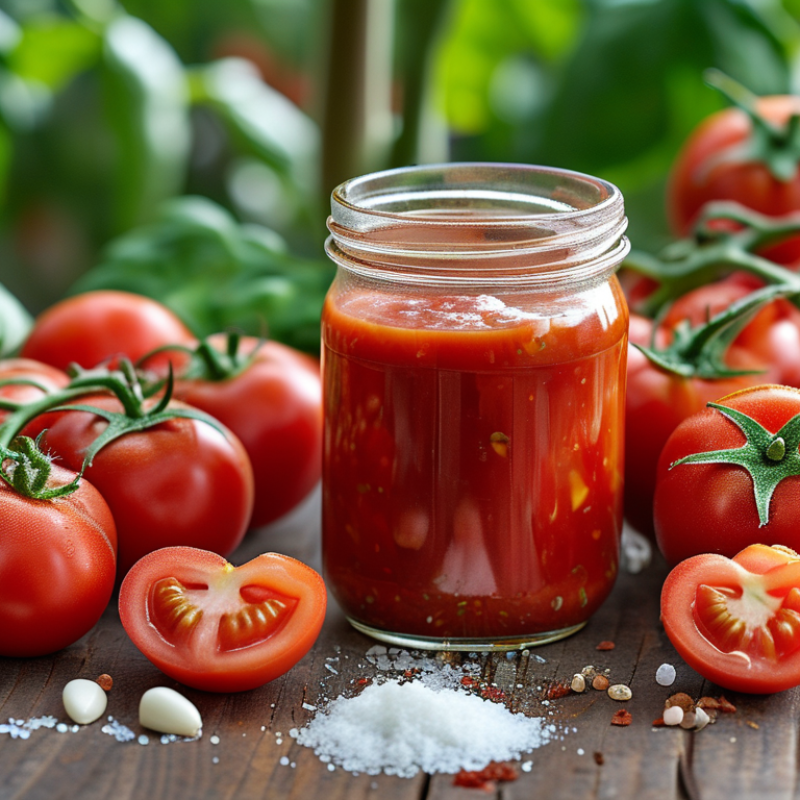
Italian-style diced tomatoes are defined by balance, not a single recipe. They usually begin with fully ripened tomatoes, often harvested during warm, concentrated growing periods. The fruit should have firm flesh, fresh acidity, and a clean tomato aroma. Dices commonly measure about 8 to 12 millimeters. This size holds its shape in sauces, soups, and baked dishes.
A practical buyer checks more than the label. The ingredient list should remain simple, with tomatoes, juice, and limited salt. Some products include basil, garlic, or citric acid, but these additions should be clearly declared. Reliable suppliers can provide harvest details, processing dates, country of origin, and batch traceability. Laboratory information on pH, soluble solids, and drained weight also supports consistent purchasing decisions.
Quality becomes visible after opening the can. The pieces should look red and naturally uneven, rather than pale or crushed. The juice should smell sweet and slightly acidic, without metallic or fermented notes. I have found that texture can vary between batches, even with careful specifications. That weakness deserves attention. A strong supplier explains the variation instead of hiding it. Buyers should test the tomatoes in real recipes, because a product that performs well in a cold sample may become watery during simmering. Supplier comparisons should include taste, texture, documentation, packaging integrity, and dependable delivery performance.
| Evaluation Dimension | What Defines an Italian-Style Product | Recommended Supplier Specification | Verification Evidence | Buyer Importance |
|---|---|---|---|---|
| Country and origin | The style is associated with Mediterranean and Italian cuisine, but “Italian-style” is generally a market description rather than a single universal legal product category. | Clearly identify tomato-growing country, processing country, and any blended-origin ingredients. | Country-of-origin statement, traceability records, lot coding, and supplier declaration. | High |
| Tomato variety | Processing tomatoes should deliver a balanced tomato flavor, red color, suitable firmness, and consistent diced pieces. | Disclose the variety or variety group and define the intended use, such as sauces, pizza toppings, soups, or ready meals. | Product specification, seasonal raw-material statement, and representative production samples. | High |
| Dicing size and shape | Visible, evenly cut tomato pieces are characteristic of diced tomatoes and provide texture that differs from passata or purée. | Specify nominal dice size, permitted size range, fines, and the maximum percentage of oversized or undersized pieces. | Sieve or cut-size analysis, inspection standard, and retained production samples. | High |
| Texture and firmness | Good diced tomatoes hold their shape during handling and cooking without being excessively hard, mushy, or watery. | Set a texture requirement for piece integrity, drained weight, and tolerance for crushed material. | Drained-weight test, sensory evaluation, and batch quality report. | High |
| Ingredients and additives | A simple Italian-style formulation commonly centers on tomatoes and tomato juice or purée; herbs, salt, or calcium salts may be added depending on the product. | Offer a clean-label option and disclose salt, acidity regulators, calcium salts, herbs, and allergen controls. | Full ingredient list, allergen statement, additive declaration, and regulatory compliance documents. | High |
| Color and appearance | A bright, uniform red appearance with limited peel, core, seeds, dark spots, and discoloration supports a premium presentation. | Define acceptable color variation, peel percentage, foreign material limits, and visible defect tolerances. | Visual defect standard, color inspection, and finished-product photographs or samples. | Medium to High |
| Flavor and acidity | The desired profile is ripe, naturally tomato-like, and balanced between sweetness and acidity, without fermented, metallic, or burnt notes. | Set sensory acceptance criteria and request typical soluble-solids and acidity data for each product grade. | Certificate of analysis, sensory panel records, and product-development sample approval. | High |
| Food safety and process control | Shelf-stable canned or aseptically packed tomatoes require validated thermal processing, hygienic production, and control of microbiological hazards. | Use a documented HACCP-based food-safety system and a recognized third-party certification scheme where required by the buyer. | HACCP plan, audit certificate, process records, microbiological results, and recall procedure. | Critical |
| Packaging format | Italian-style diced tomatoes are commonly supplied in cans, glass jars, pouches, or foodservice containers, depending on application. | Match pack size, net weight, drained weight, case configuration, pallet pattern, and opening requirements to the end user. | Packaging specification, net-weight checks, transport test, and packaging-material declaration. | High |
| Seasonality and supply continuity | Processing tomatoes are harvested seasonally, so annual availability depends on crop conditions, inventories, and manufacturing capacity. | Provide a crop-year plan, minimum order quantity, lead time, safety stock policy, and contingency sourcing information. | Supply plan, production calendar, inventory statement, and service-level history. | High |
| Sustainability and traceability | Responsible sourcing includes traceability from raw material to finished lot, efficient water and energy use, and packaging choices suitable for the target market. | Prefer documented farm-to-lot traceability, environmental policies, labor standards, and measurable packaging or emissions objectives. | Traceability exercise, sustainability policy, supplier questionnaire, and verified claims where applicable. | Medium to High |
Note: “Italian-style” is a descriptive market term. Final supplier approval should be based on the buyer’s regulatory market, product specification, sample evaluation, food-safety documentation, and lot-level quality records.
: Reliable suppliers offer firm cubes, bright red color, fresh aroma, and consistent processing records. A polished catalogue is not enough.
No. Italian-style describes the product style, not always the growing location. Ask about origin, processing site, and harvest season.
Request pH, Brix, acidity, viscosity, cube size, salt level, and drained weight. Also check peel, core, and defect limits.
Heat the tomatoes in your own sauce or soup. Firm cubes should remain recognizable after cooking. Unopened samples can mislead.
Ask for recent laboratory results, batch certificates, allergen statements, and traceability records. Verify certificate scope, expiry dates, and audit status.
Large cans may suit foodservice operations. Aseptic bags or bulk containers may suit manufacturers. Check light protection, oxygen control, recyclability, and transport weight.
Compare samples from different production lots and, ideally, two harvest seasons. Weather can change sweetness, color, and firmness. One successful shipment proves little.
Confirm filling dates, storage conditions, pallet patterns, minimum quantities, and transit estimates. Ask how delayed shipments and specification changes are handled. Vague answers deserve caution.
No. Limited documentation can create costly problems later. Compare product performance, records, lead times, and realistic service. Cheap can become expensive.
Choosing the best Italian Style Diced Tomatoes supplier in 2026 requires more than comparing prices. Authentic Italian-style products are generally recognized for bright color, balanced acidity, firm diced texture, natural tomato flavor, and consistent performance in sauces, soups, pizzas, and prepared meals. Buyers should evaluate suppliers based on raw material quality, processing methods, traceability, production capacity, delivery reliability, and their ability to meet specific taste, size, and formulation requirements.
Quality assurance is equally important. Reliable suppliers should provide suitable packaging options, clear shelf-life information, food safety documentation, and recognized certifications that support regulatory and commercial requirements. Packaging should protect flavor and texture while fitting the customer’s storage, transportation, and production systems. By comparing product samples, certification standards, technical support, customization options, minimum order quantities, and total supply costs, businesses can select a dependable partner that delivers consistent Italian Style Diced Tomatoes and supports long-term operational needs.

 Abiding Food