2026 Best Peeled Diced Tomatoes Suppliers for Global Buyers?

Time:2026-09-11 Author:Madeline
0%

For global buyers, choosing the right Peeled Diced Tomatoes supplier in 2026 requires more than comparing prices. Product consistency, food safety, packaging strength, and delivery reliability can directly affect production schedules and retail performance. A dependable supplier should provide clear tomato origin, processing details, ingredient statements, and batch-level traceability. Buyers should also review certifications such as BRCGS, IFS, FSSC 22000, or equivalent standards accepted in their markets.

Peeled Diced Tomatoes should retain a firm texture after packing and cooking. Cube size, drained weight, acidity, color, and juice ratio deserve careful attention. A sample can look excellent, yet perform poorly in sauces or ready meals. That is why practical testing remains essential. Ask suppliers for samples, laboratory reports, shelf-life data, and recent audit evidence. Check whether their cans, cartons, or aseptic bags suit your warehouse and transport conditions.

No supplier is perfect. Some companies communicate quickly but offer limited customization. Others provide strong technical support but require larger minimum orders. Harvest conditions may also change flavor, color, and raw material availability. This guide compares leading suppliers through a buyer-focused lens, including product quality, certifications, capacity, export experience, pricing factors, and service responsiveness. The ranking should not replace independent verification. Local regulations, import duties, labeling rules, and delivery risks still require professional review. A careful buyer will confirm every important claim before signing a contract.
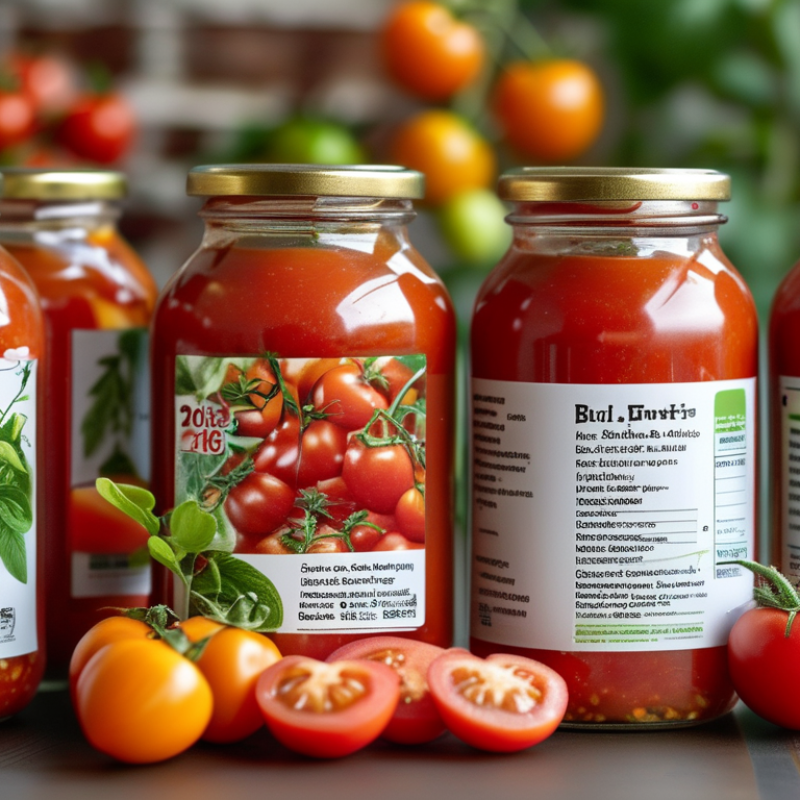
2026 Best Peeled Diced Tomatoes Suppliers for Global Buyers?

What Are Peeled Diced Tomatoes and Why Do Global Buyers Need Them?

Peeled diced tomatoes are ripe tomatoes with the skins removed, cut into uniform pieces, and packed in juice or purée. Thermal processing then makes them shelf-stable without refrigeration. The pieces usually measure about 10 to 20 millimeters, although specifications vary by supplier. Consistency matters. Cooks need visible tomato pieces, balanced acidity, and limited separation after heating.

Global buyers need this format because it reduces preparation labor and supports repeatable recipes. A food manufacturer can open one can and add measured tomato pieces to sauces, soups, pizza toppings, or ready meals. The World Processing Tomato Council estimated global processing tomato production at roughly 43 million metric tons in 2024. FAOSTAT also reports global tomato production above 180 million tonnes in recent years, showing the crop’s enormous industrial base. These figures do not guarantee dependable diced-tomato supply, however.

Procurement teams should inspect drained weight, dice size, calcium chloride use, pH, salt level, and packaging performance. USDA food-processing guidance commonly emphasizes thermal-process control and traceability for shelf-stable canned products. Those details affect texture, safety, and shipping reliability. A low-cost case may contain too much juice or broken pieces. That is an easy mistake. Buyers should request laboratory results, production samples, and records from several lots. Supplier audits should also check harvest timing, sanitation, storage temperature, and container integrity. The “best” supplier is not simply the cheapest one; it is the one that performs consistently across seasons, ports, and changing recipes. Still, specifications can be imperfect. Real tomatoes vary. Erotid...

How to Evaluate Peeled Diced Tomato Suppliers in 2026

2026 Best Peeled Diced Tomatoes Suppliers for Global Buyers?

How to Evaluate Peeled Diced Tomato Suppliers in 2026

Evaluating peeled diced tomato suppliers requires more than comparing prices. Request recent product specifications, including tomato variety, dice size, drained weight, Brix, pH, salt content, and peel tolerance. Ask for batch-specific laboratory reports. A reliable supplier should explain how tomatoes are harvested, processed, packed, and stored. Clear lot codes should connect every carton to a production date and raw material source.

Inspect packaging details closely. Check can seams, pouch seals, pallet protection, and recommended storage temperatures. Request samples from different production lots, not only a perfect showcase sample. Compare texture after heating, because firm cubes can become soft during cooking. Supplier capacity also matters. Review seasonal supply, minimum order quantities, lead times, export documents, and contingency plans. A polished certificate file is not proof of consistent quality. Independent verification remains useful.

Tips: Build a practical scorecard before contacting suppliers. Give quality, traceability, food safety, delivery reliability, and total landed cost separate scores. Ask for corrective-action records when problems occur. Visit a facility when possible, or arrange a qualified remote audit. Be cautious with unusually low offers. They may exclude testing, inland transport, or protective packaging. Some evaluations will still be imperfect. Record your assumptions, revisit them after the first shipment, and avoid choosing a supplier from one successful sample alone.

Which Product Specifications Matter Most to Importers?

For global importers, peeled diced tomatoes must meet more than a pleasing red color. The World Processing Tomato Council estimated 2024 global processing output at about 44.9 million metric tons. That scale increases supply options, but it also creates wider quality differences between factories.

Drained weight is a practical starting point. It shows how much tomato remains after liquid removal. Buyers should define minimum drained weight, dice size, tomato-to-juice ratio, and acceptable broken pieces. Brix matters too. Many commercial specifications target roughly 4.5–6.5° Brix, depending on the recipe and market. pH should remain safely below 4.6, with batch test records available. Small variation is normal. Large variation is expensive.

Texture deserves direct testing. Calcium chloride can improve firmness, yet excessive use may create a rubbery bite. Request viscosity data, firmness results, and samples from several production lots. Codex Standard CXS 13-1981 provides a useful reference for canned tomatoes, including composition and quality expectations. Packaging also matters: inspect seam integrity, internal coating, net weight, and code traceability. USDA Food Safety and Inspection Service guidance emphasizes lot identification and process control for reliable recall management. I would not approve a supplier from one sample alone. Seasonal differences, harvest maturity, and transport heat can change the result. Each buyer should verify laboratory certificates against independent pre-shipment testing.

2026 Best Peeled Diced Tomatoes Suppliers for Global Buyers

Which product specifications matter most to importers?

The chart highlights practical reference points commonly used in international tenders. Food safety, soluble solids, cut size, drained weight, and shelf life should be verified against the destination market, product format, and buyer contract. A pH of 4.6 is the FDA threshold used to distinguish acidified foods from low-acid foods; the remaining values represent common commercial specification benchmarks rather than universal legal limits.

How Do Packaging, Certifications, and Logistics Affect Supplier Choice?

For global buyers, packaging is often the first practical test of a peeled diced tomato supplier. A 400-gram can may suit retail, while an 850-gram format works better for foodservice. Can thickness, internal coating, and seam quality deserve close inspection. A weak seam can create leakage, oxidation, and expensive claims during long transit. Suppliers should provide packing specifications, pallet diagrams, and recent production samples. Samples matter more than polished brochures.

Certifications help buyers assess process control, but they should not replace verification. Look for current HACCP, ISO 22000, or equivalent food-safety documentation. Confirm the certificate scope, factory address, expiry date, and audit status. Traceability should reach the tomato lot, production shift, and packaging material. Allergen controls still need review, even when tomatoes contain no major allergens. Certificates are not magic. I would request corrective-action records because clean paperwork can hide recurring problems.

Logistics can change the real purchase price. Ask about container loading, pallet stability, moisture protection, and minimum remaining shelf life at shipment. A reliable supplier should explain port options, lead times, customs documents, and temperature limits. Canned tomatoes tolerate normal ambient transport, but damaged cartons and prolonged humidity remain serious risks. Delays also affect promotions and factory schedules. Buyers should compare delivered cost, not only the quoted product price. Some packaging choices reduce damage but increase freight weight. That tradeoff is easy to underestimate.

How Can Buyers Compare and Select the Best Global Supplier?

Global buyers should compare peeled diced tomato suppliers through measurable evidence, not polished catalogs. The World Processing Tomato Council estimated the 2024 global processing crop at about 43.5 million metric tonnes. This scale makes origin, seasonal capacity, and allocation history important. Ask for production records, harvest dates, diced-size tolerances, net weight checks, and photos of the packed product.

Product testing should cover Brix, pH, drained weight, firmness, color, and defect rates. Codex Standard CXS 13-1981 provides a useful reference for canned tomatoes, although destination rules still require separate review. Supplier audits should examine HACCP plans, laboratory calibration, traceability exercises, allergen controls, and recall procedures. GFSI benchmarking can help buyers compare food-safety systems more consistently. Certificates alone are not enough.

Commercial comparison also needs landed-cost modeling. Include container freight, duty, port handling, temperature exposure, and possible demurrage. The USDA Foreign Agricultural Service Production, Supply and Distribution database can support country-level production and trade checks. A supplier offering the lowest price may use weaker pack integrity or uncertain raw-material coverage. That risk is easy to miss. I would score each supplier across quality, safety, continuity, responsiveness, and total cost, then test a small shipment before signing a long contract. One weakness remains: public data can lag sudden crop failures, so buyers should request current crop updates and independent inspection results.

2026 Best Peeled Diced Tomatoes Suppliers for Global Buyers? — How Can Buyers Compare and Select the Best Global Supplier?
Evaluation Dimension Recommended Buyer Benchmark Typical Acceptable Market Range Evidence Buyers Should Request Selection Priority
Product Definition Peeled, diced tomatoes packed in tomato juice or tomato purée Dice sizes commonly offered at approximately 10–17 mm; confirm tolerance before approval Product specification, product photographs, production sample and approved pre-shipment sample High
Tomato Variety and Raw Material Ripe, red, firm processing tomatoes with limited green, yellow or damaged fruit Commercial processing tomatoes are generally harvested during the seasonal crop period and processed soon after harvest Harvest calendar, origin declaration, raw-material inspection records and traceability procedure High
Soluble Solids Consistent tomato solids suitable for the buyer’s recipe and labeling requirements Approximately 4.0–6.0 °Brix for many diced-tomato products; higher values may indicate a thicker formulation Recent laboratory analysis, batch specification and certificate of analysis for each shipment High
Acidity and Food Safety Stable acidity and validated thermal processing for shelf-stable canned food Finished-product pH should generally remain below 4.6 for acidified shelf-stable tomato products; the exact limit must be validated by the processor pH records, thermal-process validation, commercial-sterility documentation and deviation records High
Foreign Matter Control No glass, metal, stones, insects or other foreign material Metal detection or equivalent control should be applied where appropriate; defect limits must be defined in the specification Hazard analysis, metal-detector verification, foreign-material policy and inspection records High
Microbiological Safety Commercially sterile product with no evidence of spoilage, leakage or abnormal swelling Microbiological limits depend on the destination market and product category; pathogen controls must be documented Certificate of analysis, environmental-monitoring program and finished-product release procedure High
Ingredient Statement Short, transparent ingredient list: tomatoes, tomato juice or purée, and permitted salt or acidifying ingredients where used Prefer no unnecessary preservatives, colors or undeclared processing aids Ingredient declaration, allergen statement, non-GMO declaration where required and formulation approval High
Can or Pouch Format Packaging must match the buyer’s retail, foodservice or industrial application Common net weights include approximately 400 g, 800 g, 2.5 kg and 3 kg; aseptic formats may also be available Packaging specification, dimensional drawing, pallet plan and container compatibility statement High
Packaging Integrity No dents affecting seams, rust, swelling, leakage or damaged closures Seam and closure controls should be documented for every production shift or defined inspection interval Double-seam inspection records, packaging material declaration and transport-damage procedure High
Shelf Life Stable quality throughout the agreed shelf-life period under recommended storage conditions Approximately 24–36 months is common for unopened shelf-stable canned tomato products Shelf-life study, accelerated-stability data, storage conditions and minimum remaining shelf-life at shipment High
Storage Conditions Dry, clean and temperature-controlled storage protected from direct sunlight and freezing Many shelf-stable products are stored below approximately 30 °C; follow the approved product specification Storage and transport instructions, warehouse records and container-loading procedure Medium
Food Safety Certification A current, independently audited food-safety system recognized by the destination market Examples include HACCP-based systems, ISO 22000-based systems or other GFSI-recognized certification schemes Valid certificate, audit scope, expiry date, latest audit report and corrective-action status High
Regulatory Compliance Compliance with the importing country’s food, labeling, packaging and traceability rules Requirements vary by destination, including nutrition declaration, lot coding, language, additives and net-weight rules Destination-market compliance checklist, label artwork, product registration documents and traceability test High
Pesticide and Contaminant Control Residues and contaminants comply with the maximum levels of the destination market Testing frequency should be risk-based and should cover relevant pesticides, heavy metals and other applicable contaminants Recent third-party laboratory reports, monitoring plan and corrective-action history High
Traceability One-step-back and one-step-forward traceability from finished batch to raw material and shipment Batch or lot code should identify production date, line and relevant raw-material records Mock-recall report, lot-code explanation and traceability exercise completed within an agreed response time High
Minimum Order Quantity MOQ should fit the buyer’s sales forecast, warehouse capacity and cash-flow plan Full-container orders are commonly more economical; mixed-container options may be available subject to packing format MOQ by SKU, mixed-load policy, pallet quantity and sample-order terms Medium
Container Loading Stable pallet configuration with efficient use of container volume and permitted gross weight Actual loading depends on can size, case count, pallet type, destination regulations and carrier limits Verified loading plan, gross and net weight calculation, pallet dimensions and carton specifications High
Lead Time Lead time must include production scheduling, quality release, inland transport and export documentation Approximately 30–75 days after order confirmation is common, depending on stock status and crop-season planning Production calendar, order-to-shipment timeline, capacity statement and shipment performance history Medium
Trade Terms Use a clearly defined Incoterm with responsibility for freight, insurance, customs and risk transfer Common options include FOB, CFR and CIF; the suitable term depends on buyer logistics capability Formal quotation, Incoterm version, port of loading, validity period and included charges High
Payment Risk Payment structure should balance supplier protection with buyer risk control Common structures include deposit plus balance against documents, documentary credit or secured trade terms Proforma invoice, payment schedule, banking details and agreed inspection or document-release conditions High
Quality Consistency Color, dice size, drained weight, solids, acidity and texture should remain consistent by lot Set measurable tolerances for each critical quality attribute before commercial approval Three or more consecutive batch records, retained-sample results and quality-claim history High
Sustainability and Packaging Packaging and sourcing practices should support the buyer’s environmental and customer requirements Prioritize recyclable packaging, responsible water use, crop traceability and documented waste-reduction practices Packaging recyclability statement, sustainability policy and relevant environmental records Medium
Commercial Scoring Method Select the supplier with the strongest weighted total score, not simply the lowest price Suggested weighting: food safety and compliance 30%, product quality 25%, reliability 20%, landed cost 15%, service 10% Completed supplier questionnaire, approved samples, quotation comparison and documented risk assessment High
Buyer note: The ranges above are practical international-market benchmarks for preliminary supplier comparison. Final approval should be based on destination-country regulations, an agreed product specification, independent test results, packaging validation and successful performance across multiple commercial lots.

FAQS

: What are peeled diced tomatoes?

: They are ripe tomatoes with skins removed and cut into uniform pieces. Typical cubes measure 10 to 20 millimeters. They are packed in juice or purée and heat-processed for shelf stability.

Why do food manufacturers use this format?

It reduces preparation work and supports consistent recipes. One can can supply tomato pieces for sauces, soups, pizza toppings, or ready meals. Less trimming is needed.

Which specifications should buyers check?

Review dice size, drained weight, Brix, pH, salt, and peel tolerance. Also check calcium chloride use and juice separation. Small differences can affect texture.

How can buyers test product quality?

Request samples from several production lots. Heat the tomatoes in a real recipe, not only at room temperature. Check firmness, visible pieces, acidity, color, and separation.

What documents should a supplier provide?

Ask for product specifications, batch laboratory reports, lot codes, and process records. Records should connect each carton with its production date and raw material source. Certificates alone are not enough.

What packaging details matter during shipping?

Inspect can seams, pouch seals, pallet protection, and storage instructions. Damaged containers can compromise product quality. Check container integrity carefully.

How should buyers compare suppliers?

Use a scorecard covering quality, traceability, food safety, delivery, and landed cost. Review minimum order quantities, lead times, export documents, and backup plans. The lowest price may hide transport or testing costs.

Is one successful sample enough?

No. It can create false confidence. Compare multiple lots and, when possible, conduct a facility or remote audit. Revisit your assumptions after the first shipment. Real tomatoes vary.

Conclusion

Peeled Diced Tomatoes are a versatile ingredient used by food manufacturers, restaurants, and distributors worldwide because they provide consistent texture, flavor, and convenience for sauces, soups, ready meals, and canned foods. For global buyers, selecting the right supplier in 2026 requires more than comparing prices. Important evaluation factors include tomato variety, growing conditions, diced size, color, acidity, firmness, juice ratio, and product consistency across batches. Suppliers should also demonstrate reliable production capacity, quality-control procedures, traceability, and responsive communication.

Packaging, certifications, and logistics can significantly affect purchasing decisions. Buyers should review can or pouch specifications, shelf life, labeling accuracy, pallet configuration, and container efficiency, while confirming that required food-safety and quality certifications are available for the target market. Delivery reliability, export experience, documentation, minimum order quantities, and payment terms should also be assessed. By comparing product specifications, total landed cost, quality assurance, service capability, and supply stability, importers can select a dependable global supplier that supports long-term business needs.

Madeline

Madeline

Madeline is a dedicated marketing professional with a wealth of expertise in our company's core offerings. With a keen understanding of the industry, she brings a unique perspective to her role, consistently delivering high-quality content that highlights the superior aspects of our products. As......