Choosing reliable Private Label Diced Tomatoes suppliers requires more than comparing catalog prices. Product consistency matters. So does traceability.
Dr. Linda J. Harris, a food safety specialist at the University of California, Davis, states, “Food safety is a system, not a single test.” This principle fits private label sourcing closely. A dependable supplier should control raw tomato handling, cutting size, acidity, processing temperatures, and packaging conditions. Buyers should also review HACCP plans, audit records, allergen controls, and lot identification procedures. Details matter.
This guide examines 10 Best Private Label Diced Tomatoes Suppliers through a practical purchasing lens. It considers tomato variety, diced dimensions, firmness, juice balance, flavor, and available pack sizes. Some manufacturers offer cans, aseptic bags, or foodservice formats. Others support custom labels, recipe adjustments, and retail-ready packaging.
A strong supplier should provide representative samples before commercial approval. Ask for recent certificates, production capacity, minimum order quantities, and lead-time estimates. Confirm whether specifications remain stable across harvest seasons. Prices can mislead. A cheaper case may create waste through inconsistent texture or damaged packaging.
There is no perfect supplier for every buyer. A regional brand may offer faster delivery, while a larger processor may provide stronger volume security. My own caution is simple: supplier claims deserve verification. Review documents, test samples, and inspect communication quality before signing a long-term agreement. The right partner protects flavor, compliance, shelf stability, and your brand’s reputation.
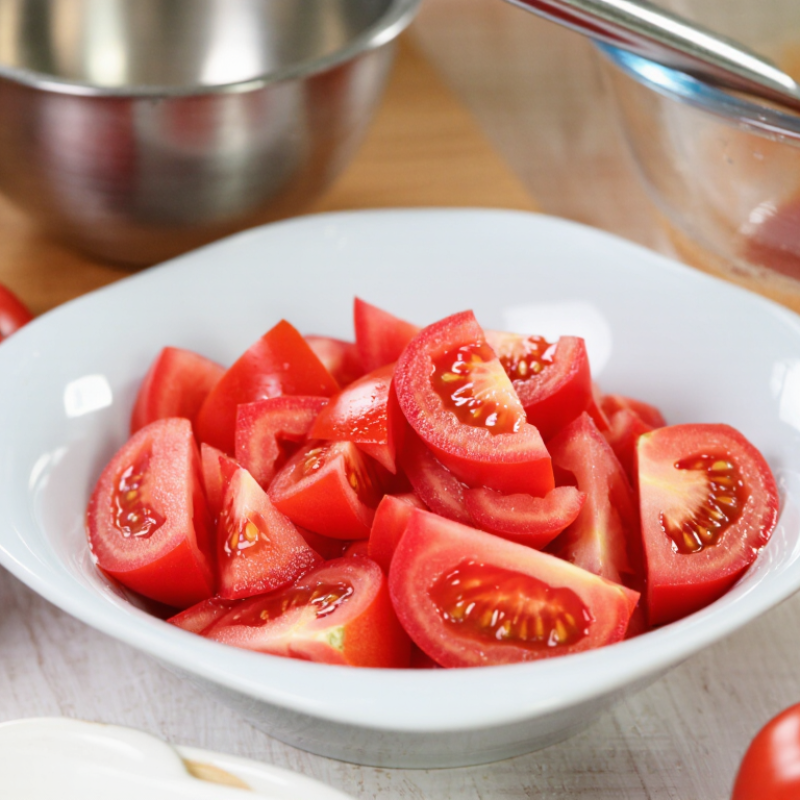
Private label diced tomatoes are canned or aseptically packed tomato pieces sold under a retailer’s or foodservice buyer’s own label. The buyer usually does not grow or process the tomatoes directly. Instead, a qualified supplier handles farming, cutting, cooking, filling, and packaging. The finished can carries the buyer’s design, product name, and specifications.
The product may contain diced tomatoes, tomato juice, salt, and acidity regulators. Some recipes also use calcium chloride to help the pieces stay firm. Buyers should define the dice size, drained weight, color, flavor, salt level, and packaging format before placing an order. A useful specification might require firm 10-millimeter pieces, bright red color, and limited peel or core material. Small details matter.
Quality checks should include laboratory testing, lot traceability, seal inspection, and sensory evaluation. In practical sourcing work, I have found that appearance can be misleading. A bright sample may soften during storage. A low-cost formula may also create excessive liquid in a finished sauce. Shelf-life data, processing records, and retained samples provide stronger evidence than a polished catalog. Even experienced buyers can overlook seasonal crop variation. That mistake deserves review. Suppliers should explain their harvest sources, production controls, allergen statements, certifications, and recall procedures clearly. Clear documentation makes private label diced tomatoes more dependable for kitchens, manufacturers, and retail shelves.
| Rank | Supplier Profile | Product Definition | Typical Pack Formats | Common Tomato Origins | Typical Private Label MOQ | Typical Lead Time | Common Certifications | Best Fit |
|---|---|---|---|---|---|---|---|---|
| 1 | Large integrated canning facility | Diced tomatoes packed in tomato juice or purée, with optional salt and calcium chloride | 14.5 oz, 28 oz, 6 oz multipacks, foodservice cans | Italy, Spain, the United States, Turkey | 1,000–5,000 cases | 8–16 weeks after artwork approval | HACCP, BRCGS or SQF, FDA registration where applicable | National grocery and retail programs |
| 2 | Mediterranean tomato processor | Diced tomatoes made from ripe processing tomatoes with a bright red color and balanced acidity | 400 g, 800 g, 2.5 kg cans; glass jars on request | Italy, Spain, Portugal, Greece | 500–2,000 cases | 10–18 weeks | IFS, BRCGS, ISO 22000, organic certification when applicable | Premium retail and European-style recipes |
| 3 | Organic-certified processor | Organic diced tomatoes produced without synthetic agricultural chemicals allowed under organic standards | 14.5 oz and 28 oz cans, recyclable cartons | United States, Italy, Spain | 500–2,500 cases | 12–20 weeks | USDA Organic or EU Organic, HACCP, GFSI-recognized standard | Health-focused and natural-food retailers |
| 4 | Foodservice-focused packer | Large-format diced tomatoes designed for restaurants, catering, and institutional kitchens | #10 cans, 2.5–3 kg cans, institutional cases | United States, Italy, China, Turkey | 250–1,000 cases | 6–12 weeks | HACCP, SQF or BRCGS, allergen-control program | Restaurants, wholesalers, and catering distributors |
| 5 | Aseptic packaging specialist | Shelf-stable diced tomato products packed using heat-treated aseptic technology | 500 g cartons, 1 kg cartons, bulk aseptic bags | Italy, Spain, the United States, Chile | 1,000–10,000 units or equivalent bulk volume | 10–18 weeks | FSSC 22000, BRCGS, HACCP, packaging migration compliance | Meal-kit companies and industrial food manufacturers |
| 6 | Low-sodium product specialist | Diced tomatoes formulated with reduced or no added salt, subject to local nutrition rules | 14.5 oz, 28 oz cans, microwaveable pouches | United States, Italy, Spain | 750–3,000 cases | 10–16 weeks | HACCP, GFSI-recognized certification, nutrition-label verification | Better-for-you and wellness product lines |
| 7 | Flexible formulation co-packer | Custom diced tomatoes with herbs, garlic, onion, chili, or other permitted ingredients | Cans, glass jars, pouches, foodservice containers | Italy, Spain, Turkey, the United States | 1,000–5,000 cases per recipe | 12–24 weeks including product development | BRCGS or SQF, HACCP, supplier approval and traceability systems | Differentiated recipes and specialty food brands |
| 8 | Export-oriented value supplier | Standard diced tomatoes focused on competitive pricing and full-container shipments | 400 g cans, 800 g cans, bulk cartons | China, Turkey, Spain, Italy | 1,000–5,000 cases | 8–16 weeks plus international transit | HACCP, ISO 22000, BRCGS or equivalent export certification | Importers and price-sensitive retail programs |
| 9 | Premium glass-pack specialist | Visually premium diced tomatoes in glass packaging with emphasis on appearance and ingredient simplicity | 350 g, 500 g, and 700 g glass jars | Italy, Spain, Greece | 500–2,000 cases | 12–20 weeks | IFS or BRCGS, HACCP, glass-container inspection procedures | Gourmet stores and premium supermarket ranges |
| 10 | Small-batch specialty co-packer | Small-volume private label diced tomatoes with custom recipes and packaging support | Small cans, jars, stand-up pouches, sampler packs | Regional or contract-grown sources | 100–500 cases | 8–20 weeks depending on packaging and recipe | HACCP, local food-safety approval, organic certification when applicable | Start-ups, regional retailers, and test launches |
Private label diced tomatoes are tomato products manufactured and packaged by a third-party food processor but sold under a buyer’s own label. MOQ, lead time, packaging options, certifications, and tomato origin vary by supplier, season, destination market, and approved specifications.
They are tomato pieces packed under a buyer’s own label. A qualified supplier handles farming, cutting, cooking, and packaging.
Specify dice size, drained weight, color, flavor, salt level, and packaging format. For example, 10-millimeter pieces may suit prepared sauces.
Common ingredients include diced tomatoes, tomato juice, salt, and acidity regulators. Calcium chloride may help the pieces remain firm.
Request recent samples, laboratory results, retained samples, and shelf-life data. Bright color alone proves little. Texture may weaken during storage.
Traceability should connect each container with its production date, ingredient batch, and facility record. This information supports faster complaint investigations.
Ask for validated acidity controls, scheduled-process records, microbiological testing, and commercial sterility evidence. Certificates help, but explanations matter more.
Inspect seams, can lining, pallet stability, and storage requirements. A damaged seam can quietly reduce product protection.
Seasonal crops can change color, firmness, and liquid levels. One excellent pilot batch may not represent later deliveries.
Compare usable tomato solids, drained weight, waste, and finished-sauce performance. Case price alone can create a misleading margin.
Buyers may trust polished samples too quickly. I have made that assumption before. A written specification and pilot order reduce, but do not remove, the risk.
Private Label Diced Tomatoes are canned or packaged tomato products produced by a supplier and sold under a retailer’s or food company’s own brand. This guide explains how to evaluate suppliers by reviewing tomato quality, processing methods, food safety systems, production capacity, reliability, and experience with private label programs. It also highlights the importance of consistent flavor, texture, appearance, and ingredient quality to ensure the finished product meets customer expectations.
The article compares leading supplier options while examining product standards, packaging formats, labeling support, customization possibilities, and shelf-life requirements. It also provides practical guidance for comparing pricing, certifications, minimum order quantities, lead times, shipping arrangements, and sample policies. By considering these factors together, buyers can identify a dependable partner capable of delivering safe, consistent, and market-ready diced tomato products that align with their brand positioning and operational needs.

 Abiding Food