How to Find Top China Peeled Plum Tomatoes Suppliers?

Time:2026-10-26 Author:Aria
0%

Finding reliable Peeled Plum Tomatoes suppliers in China requires more than comparing online prices. A professional buyer should examine product quality, processing controls, export experience, and communication standards together. Suppliers may offer similar cans, yet their tomatoes can differ in firmness, color, peeling quality, acidity, and filling weight. These details affect sauces, pizzas, soups, and ready-made meals.

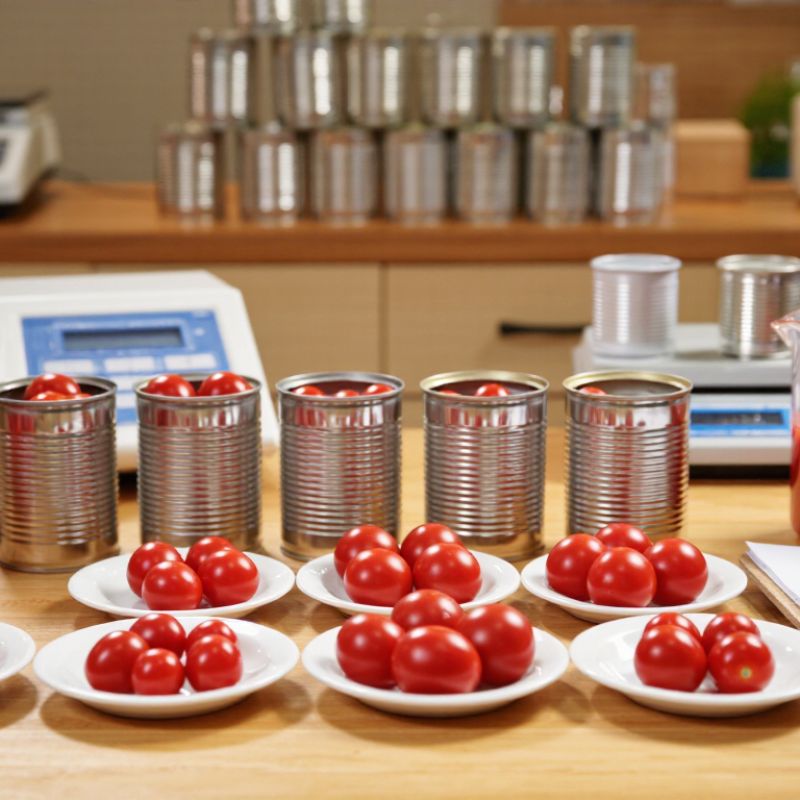
A strong evaluation begins with clear specifications. Confirm the tomato variety, Brix level, pH range, salt content, can size, net weight, and drained weight. Request recent product samples and compare them after opening. Check whether the fruit holds its shape or becomes watery. Review HACCP, ISO 22000, BRCGS, or equivalent food safety documentation. Certification alone is not enough. Verify its scope, validity, and issuing organization. Ask for batch traceability, laboratory reports, packaging photographs, and loading records.

Supplier visits or independent factory audits can reveal important details. Observe raw material storage, sanitation routines, metal detection, sealing equipment, and warehouse conditions. A dependable supplier should explain seasonal sourcing and reject damaged or moldy fruit. Communication matters too. Delayed answers may become delayed shipments. Still, no supplier looks perfect on paper. Samples can hide seasonal variation, and polished documents may not show daily production discipline. Build a comparison sheet, test more than one batch, and leave room for honest reassessment. The best choice balances consistent quality, transparent evidence, practical pricing, and dependable delivery.
How to Find Top China Peeled Plum Tomatoes Suppliers?

What Are Peeled Plum Tomatoes and Why Does Supplier Choice Matter?

How to Find Top China Peeled Plum Tomatoes Suppliers?

Peeled plum tomatoes are oblong tomatoes with dense flesh and fewer seeds. Unlike round tomatoes, they hold their shape better after cooking. Processors usually remove the skins through hot-water or steam treatment. Their firm texture suits sauces, soups, pizza toppings, and ready-to-eat meals.

They are practical ingredients.

The difference between a reliable supplier and a weak one often appears after delivery. A capable China supplier should explain the growing region, harvest date, processing method, and packaging conditions. I would ask for product specifications showing Brix, pH, net weight, drained weight, and permitted residue limits. Samples should be checked for skin fragments, bruised pieces, excessive liquid, and metallic taste. Request independent laboratory reports when possible. Photos alone prove little.

Supplier choice affects food safety, cooking performance, and purchasing costs. A stable supplier can provide similar color, firmness, and flavor across different shipments. Temperature records matter during storage and transport, especially for products packed in cans or jars. Factory audits, traceability records, and recognized food-safety systems add confidence. Do not guess. One weakness in this process is relying too heavily on a perfect sample. A glossy sample may not represent every production batch. Before signing, compare several lots and clarify complaint handling, replacement terms, and inspection procedures. A lower price may hide weaker sorting or higher drainage loss.

Which Regions and Production Traits Define Top China Suppliers?

China’s leading peeled plum tomato suppliers are often found in Xinjiang, Gansu, and Inner Mongolia. These northwestern regions provide long daylight hours and dry autumn weather. Sunlight matters. Warm days help tomatoes develop strong color and balanced acidity. Cool nights can also support firm fruit before harvest.

Top suppliers usually work near large tomato-growing areas. This reduces transport time from field to processing plant. Fresh tomatoes should arrive quickly, with limited bruising and leakage.

Buyers should inspect peeling quality, fruit shape, juice thickness, and solid content. Consistent sizing helps factories control filling weight. Clean, intact cans also indicate disciplined processing.

Reliable suppliers can show harvest records, batch codes, laboratory results, and factory inspection reports. Ask how they manage irrigation, sorting, sterilization, and storage temperatures. A serious producer should explain these steps clearly. Traceability matters. Do not judge quality from region alone. Weather changes, water shortages, and uneven farming practices can affect one season’s crop. Even a polished sample may hide inconsistent batches. Request several production lots, then compare color, texture, acidity, and packaging condition before making a long-term decision.

How Can You Verify Supplier Quality, Safety, and Certifications?

Finding reliable Chinese peeled plum tomato suppliers requires more than comparing prices. FAOSTAT reported global tomato production above 190 million tonnes in recent years, showing the scale and complexity of this supply chain. Ask each supplier for the processing site address, harvest period, origin records, and batch-specific certificates. A credible supplier should provide HACCP or ISO 22000 documentation, current third-party audit results, and laboratory reports from ISO/IEC 17025-accredited laboratories. Certificates can expire. Check the dates carefully.

Tips: Request a sealed sample from the exact production batch. Test its pH, Brix, drained weight, color, pesticide residues, heavy metals, and microbiological safety. For canned products, inspect seam integrity and packaging condition. The Codex General Principles of Food Hygiene, CXC 1-1969, supports hazard-based controls and documented verification. Supplier claims should match these controls. A generic certificate is weak evidence. A batch COA is stronger.

I would also conduct a remote or physical factory audit. Observe tomato washing, peeling, filling, sterilization, cooling, and warehouse handling. Ask staff to demonstrate one-step-back and one-step-forward traceability. A mock recall should identify affected lots quickly. The FDA Food Safety Modernization Act emphasizes preventive controls and supplier verification, which provides a useful benchmark for importers. Still, certification does not guarantee perfect performance. Records may be incomplete, and even experienced buyers can overlook seasonal quality changes. Independent pre-shipment inspection adds practical protection. Test again when the first commercial shipment arrives.

What Should You Compare in Pricing, Packaging, and Export Terms?

How to Find Top China Peeled Plum Tomatoes Suppliers?

Price comparisons should begin with the same specification. Request net weight, drained weight, tomato size, Brix, acidity, and defect tolerance. A low quote may exclude lids, cartons, inland transport, or inspection fees. FAOSTAT reported global tomato production above 186 million metric tons in 2022, showing the scale of this supply chain. Yet large production does not guarantee consistent peeled plum quality.

Packaging needs practical testing. Compare tinplate cans, glass jars, pallet patterns, carton strength, and container utilization. Ask for can dimensions and loading photos. A supplier offering 24 cans per carton may use space differently from one offering 12 larger cans. Check labels, batch codes, shelf life, and food-contact declarations. The United Nations Comtrade database classifies whole or prepared tomatoes under HS 200210, which helps buyers compare export records. However, trade codes cannot confirm texture or flavor. Samples still matter.

Tips: Compare prices on a landed-cost worksheet, not a unit-price table. Confirm whether quotes use FOB, CIF, or another Incoterm. Check the named port, shipment window, insurance responsibility, and payment schedule. Request recent third-party inspection records and microbiological reports. I once treated a lower FOB price as a clear saving; freight and weaker cartons changed the result. That judgment was too quick. Allow space for seasonal crop variation, port delays, and replacement procedures. Verify every assumption in writing.

How Do You Select and Build a Reliable Supplier Partnership?

Selecting a reliable China peeled plum tomatoes supplier requires more than comparing prices. The World Processing Tomato Council’s 2024 estimate places China’s processing-tomato output at roughly 11 million metric tonnes. Large capacity helps, but it does not guarantee consistent peeled tomatoes.

Ask for recent production records, not attractive brochures. Request product samples from at least two batches. Check tomato firmness, peel removal, color, Brix, acidity, drained weight, and broken fruit. Codex Standard CXS 13-1981 provides useful quality references for processed tomatoes. A supplier should also share HACCP records, laboratory results, allergen controls, and traceability documents.

Walk through the factory if possible. Inspect washing lines, steam peeling equipment, metal detectors, and retort records. I prefer suppliers that can trace one carton to a field, harvest date, and production shift. UN Comtrade data under HS 200210 can help compare export patterns, but customs data cannot prove factory performance. Ask for three commercial references and verify them independently.

Put tolerances, packaging, inspection rights, and claim procedures in the contract. Agree on retained samples and a clear response period. Small trial orders reveal more than confident sales calls. I once focused too heavily on low pricing; the later sorting loss erased the saving. Build quarterly reviews around defect rates, delivery accuracy, and corrective actions. Leave room for honest discussion. Perfect suppliers are rare. Reliable communication matters more.

FAQS

What are peeled plum tomatoes?

They are oblong tomatoes with dense flesh, fewer seeds, and removed skins. They hold their shape during cooking.

Where can peeled plum tomatoes be used?

Use them in sauces, soups, pizza toppings, and ready-to-eat meals. Their firm texture helps reduce unwanted breakdown.

Why does supplier choice matter?

Supplier quality affects food safety, texture, flavor, and total purchasing costs. Weak sorting may increase liquid and damaged pieces.

What product details should buyers request?

Request Brix, pH, net weight, drained weight, size, defect limits, harvest date, and processing method.

How can buyers check a supplier’s quality?

Request sealed samples from the exact production batch. Check skin fragments, bruising, excess liquid, color, firmness, and unusual taste.

Which documents should a supplier provide?

Ask for origin records, batch certificates, laboratory reports, audit results, and current food-safety system documents. Check expiration dates carefully.

What should a factory audit examine?

Observe washing, peeling, filling, heat treatment, cooling, and warehouse handling. Test whether staff can trace one step backward and forward.

How should buyers compare prices and packaging?

Compare landed costs, not unit prices alone. Include freight, cartons, inspections, insurance, port charges, and possible replacement costs.

What packaging details deserve close attention?

Check can or jar condition, seam integrity, carton strength, pallet patterns, batch codes, shelf life, and container utilization.

What common purchasing mistake should buyers avoid?

Do not trust one glossy sample or the lowest quote. I once did that, and freight costs changed the decision.

Conclusion

Finding the right China supplier for Peeled Plum Tomatoes requires more than comparing prices. Buyers should first understand the product’s characteristics, including tomato variety, ripeness, firmness, peeling method, packing medium, and intended applications. China’s major growing regions may differ in climate, harvest timing, processing capacity, and export experience, so it is important to evaluate whether a supplier can provide stable quality and consistent year-round supply. Product samples, factory audits, production records, laboratory testing, and valid food safety certifications can help verify reliability and compliance with import requirements.

A thorough comparison should also cover can or container sizes, packaging materials, minimum order quantities, lead times, payment terms, shipping options, and total landed cost. The best supplier is not always the one offering the lowest quotation, but the one that combines transparent communication, dependable quality control, flexible service, and clear export documentation. After selecting suitable candidates, buyers should confirm specifications in writing, begin with a manageable trial order, monitor performance, and build a long-term partnership through regular reviews and collaborative planning.

Aria

Aria

Aria is a dedicated marketing professional with a deep passion for innovative strategies and a keen understanding of our company's product offerings. With a wealth of experience in the industry, Aria excels at crafting engaging content that highlights the unique features and benefits of our......