Sourcing quality Petite Diced Tomatoes is essential for any business in the food industry. These small yet flavorful tomatoes can elevate dishes, making them a favorite among chefs and home cooks alike. The demand for high-quality ingredients has never been higher. Selecting the right supplier is crucial for maintaining taste and consistency.
Choosing Petite Diced Tomatoes involves more than just price. It's about flavor, freshness, and reliability. A trusted supplier ensures that these tomatoes meet quality standards. Engaging with suppliers who prioritize sustainability can also enhance your brand's reputation. Not all suppliers maintain the same levels of quality, so it's vital to conduct thorough research.
When sourcing Petite Diced Tomatoes, consider visiting farms or production facilities. This firsthand experience can reveal the quality control practices in place. Small details often indicate a supplier's commitment to quality. Sometimes, it’s these nuances that could make or break your business’s offer. Reflect on your choices and adapt your sourcing strategy for the best results.
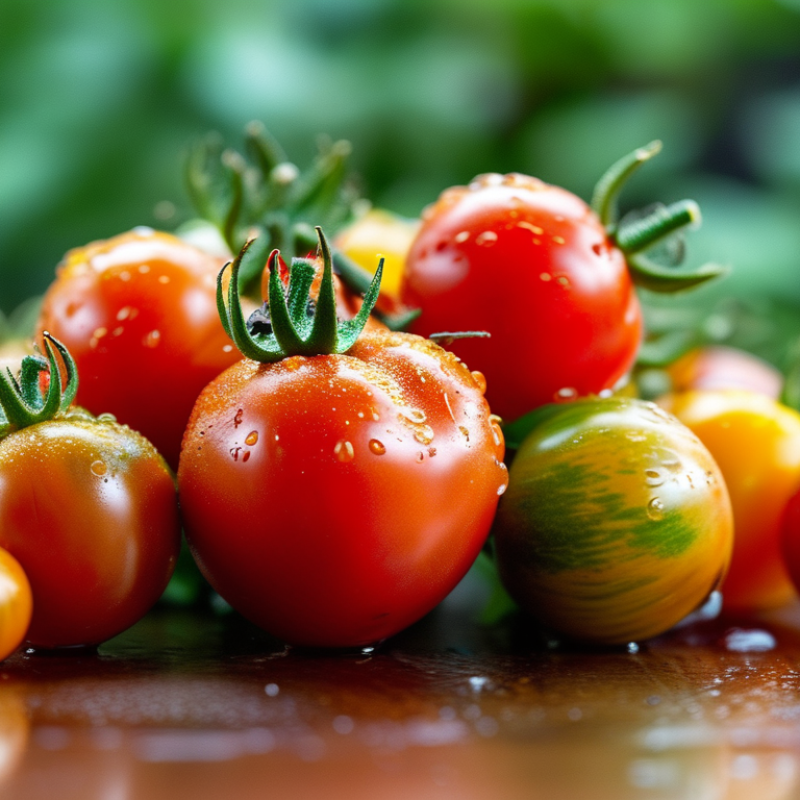
When running a food business, sourcing quality petite diced tomatoes is crucial. These tomatoes serve as a versatile ingredient in many dishes. They add flavor, texture, and visual appeal to sauces, salads, and casseroles. The right quality can elevate a dish from mediocre to exceptional. Therefore, understanding the importance of quality is key for any culinary professional.
Inferring the quality of petite diced tomatoes involves analyzing their color, texture, and taste. Rich red color indicates ripeness. A firm yet tender texture ensures freshness. Tasting the product offers insight into its flavor profile. However, not all suppliers meet these standards. It's important to question sourcing methods. Are they using sustainable farming practices? Are tomatoes vine-ripened? These factors contribute to overall quality.
Inconsistent quality can lead to inconsistent dishes. This variability affects customer satisfaction and potential repeat business. Chefs may find themselves in a situation where their signature dish fails to impress. Strong relationships with reliable suppliers can mitigate these issues. Ensure that you communicate your quality standards clearly. Building a network of trustworthy sources requires time and effort, but it pays off.
When sourcing quality petite diced tomatoes, assessing the source is crucial. Look for suppliers who prioritize sustainability and transparency. The best growers often employ environmentally friendly practices. Studies show that organic tomatoes can have up to 30% higher antioxidant levels than conventional ones.
Quality inspection is essential. Check for certifications such as USDA Organic or Non-GMO Project Verified. These labels indicate adherence to specific agricultural standards. The color of the tomatoes should be vibrant, with no signs of spoilage. A reliable source will also provide information on the harvest date, ensuring freshness and optimal taste.
Consider the packaging methods as well. Packaging should protect the tomatoes from light and air exposure. Poor packaging can lead to quality degradation during transport. In fact, reports indicate that nearly 20% of canned tomatoes could lose flavor if not properly sealed. This highlights the need for attention to detail in sourcing decisions.
Finding reliable suppliers for petite diced tomatoes is essential for ensuring quality and consistency in your products. According to a recent industry analysis, the global canned tomato market is expected to reach USD 11.8 billion by 2027, indicating a growing demand. This trend highlights the importance of sourcing tomatoes from suppliers who prioritize quality and sustainability.
When evaluating suppliers, consider their sourcing practices. Many renowned tomato suppliers focus on organic farming and sustainable harvesting techniques. Research from the Food and Agriculture Organization indicates that sustainable methods not only improve tomato quality but also benefit local ecosystems. However, not all suppliers adhere to these principles. It’s critical to vet suppliers, requesting certifications and conducting site visits when possible.
Another factor to consider is pricing. While it's tempting to go for the lowest bid, remember that quality often comes at a price. A 2022 report by the USDA found a direct correlation between pricing and quality in the canned tomato sector. Suppliers who maintain high standards may charge more, but this investment can lead to better product performance. Reflecting on your choices will help establish long-lasting relationships with suppliers who meet your business needs.
When sourcing petite diced tomatoes, understanding pricing and quality is essential. Many suppliers offer varying prices based on their sourcing methods. Organic varieties often carry a premium price tag. However, the flavor and quality can warrant the extra cost. Invest time in researching producers. Look for those with sustainable practices. They often produce tomatoes that are fresher and more flavorful.
Comparing quality is crucial. Not all canned diced tomatoes are created equal. Check for color, texture, and taste. A good product should have a vibrant hue and maintain shape without excessive mushiness. Read reviews and seek feedback from peers in the industry. This can save time and money in the long run.
Price fluctuations can be challenging. Seasonal changes often impact the market. Be mindful of these trends when negotiating. It’s also wise to discuss bulk purchasing options. Bulk buying can lead to significant savings. However, ensure the quality remains intact. Always have a plan in place for quality checks upon delivery.
Establishing long-term relationships with tomato suppliers can significantly enhance your business operations. According to industry reports, 70% of businesses relying on strategic partnerships see improved access to quality products. This data emphasizes the importance of trust and reliability in sourcing quality petite diced tomatoes. Building rapport with suppliers leads to better pricing and consistent quality, benefiting your bottom line.
Communication is key. Regularly engage with your suppliers to understand their challenges and capabilities. This connection fosters loyalty and can result in preferential treatment during peak seasons. Recent surveys show that suppliers appreciate businesses that are transparent and willing to collaborate. Investing time in these relationships often pays off, as supplier reliability can innovate your product line.
However, challenges persist. Suppliers may encounter logistical issues or fluctuating raw material costs. Understanding these challenges allows you to adjust your expectations. Flexibility and patience are essential. The industry is dynamic, and supplier relationships require ongoing nurturing. Your commitment can facilitate smoother operations and enhance product quality in the long run.
: They enhance flavor, texture, and appearance in dishes like sauces and salads.
Look for rich red color, firm texture, and taste the product for flavor insights.
Prioritize suppliers using sustainable farming and organic harvesting methods for better quality.
It can lead to unsatisfactory dishes, impacting customer satisfaction and repeat business.
No, maintaining quality is essential. Sometimes, higher prices ensure better product quality.
They should have vibrant color, firm texture, and not be overly mushy.
Conduct research, vet suppliers, and request certifications or site visits when possible.
Stay aware of seasonal trends and consider bulk purchasing for better rates.
Implement quality checks upon delivery and communicate standards clearly with suppliers.
Strong relationships help ensure consistent quality and better communication on standards.
In the food business, sourcing quality Petite Diced Tomatoes is crucial for ensuring the overall flavor and presentation of culinary offerings. The article outlines the importance of identifying reputable sources and assessing the criteria that signify high-quality tomatoes, such as freshness, taste, and proper preservation methods.
Furthermore, it emphasizes the significance of exploring reliable suppliers who can consistently deliver these essential ingredients. Evaluating pricing while maintaining a focus on quality is vital to achieving the best deals for your business. Lastly, establishing long-term relationships with tomato suppliers not only ensures a steady supply but can also lead to better pricing and improved product consistency over time.

Abiding Food