Bulk sourcing San Marzano Style Tomatoes begins with a clear specification, not a familiar name on a label. Buyers should define the product’s origin, variety, growing method, pack size, and processing form before requesting quotes. “Style” can describe a product inspired by San Marzano tomatoes; it does not, by itself, verify a specific origin or certification. That distinction matters when comparing suppliers.
A case may look convincing in a catalog. The details tell a fuller story. Ask for a current specification sheet, ingredient statement, harvest or production information, traceability details, and sample cans from the intended lot. Check drained weight, texture, color, and flavor. Then compare delivered cost, minimum order quantity, lead time, and packaging consistency. Small differences become visible when a kitchen opens several cans side by side.
A trustworthy expert quotation should come from a real, identifiable specialist and be checked before publication. Insert a verified quotation here: “[Approved quote about bulk tomato sourcing]” — [Expert’s full name], [professional title and organization]. This guide will examine supplier screening, sample evaluation, documentation, pricing, and logistics. It will also consider a practical limitation: samples may not represent every future batch. Ask how the supplier controls variation, and record the answer. Good sourcing is not guesswork. It is careful comparison, clear records, and follow-up.
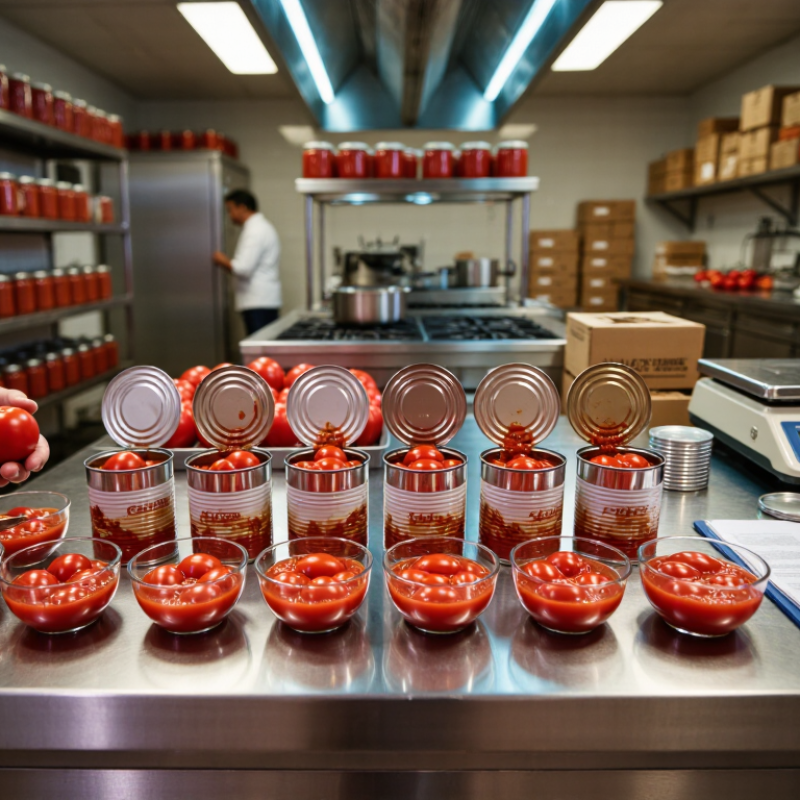
Define “San Marzano-style” in measurable terms before requesting bulk quotes. Specify an elongated plum shape, deep red color, firm flesh, and a mild, balanced flavor. State whether tomatoes must be whole, peeled, and packed in juice or purée. Set acceptable ranges for fruit size, drained weight, soluble solids, salt, and visible defects. These figures should match your recipe and processing needs, not assumptions about a regional name. We have learned that “style” can become a vague shortcut.
Ask suppliers to document cultivar or seed type, growing region, harvest period, pack format, and lot traceability. Request a recent product specification and sample, then check texture, color, and drained weight after opening. USDA’s voluntary U.S. Standards for Grades of Canned Tomatoes assess factors such as color, character, and defects; use them as a shared inspection reference, not as proof of a particular origin. For supply context, FAOSTAT reports global tomato production at about 186 million metric tonnes in 2022. That broad figure signals a large crop, but it does not guarantee a consistent style. Small details matter. Agree on test methods and tolerances in writing, and review them against each shipment. A specification can still miss what cooks notice most: how the fruit holds its shape in a simmering sauce.
Use this purchasing specification to compare bulk products. “San Marzano-style” describes a product style and does not, by itself, establish protected-origin certification. Confirm any origin, variety, or certification claims with supporting documentation.
| Specification | Recommended Bulk Requirement | What to Verify |
|---|---|---|
| Product identity | Whole peeled plum tomatoes packed in tomato juice or purée; elongated fruit preferred for the San Marzano-style profile. | Product description, ingredient statement, sample appearance, and whether tomatoes are whole, chopped, or crushed. |
| Variety and style claim | Specify the actual tomato variety when known. If the product is described only as “San Marzano-style,” treat that as a style description, not proof of a particular variety or origin. | Supplier declaration, seed or variety records where available, and substantiation for any origin or certification claim. |
| Ingredients | Prefer tomatoes, tomato juice or purée, and salt only when a simple formulation is required. Added calcium chloride or citric acid may be used in some products for firmness or acidity adjustment. | Full ingredient list, allergen statement, and confirmation that added ingredients meet the buyer’s recipe and labeling requirements. |
| Appearance and integrity | Deep red color; predominantly intact, evenly peeled fruit; no visible mold, foreign material, or excessive skin and stem remnants. | Pre-shipment sample, defect limits agreed in writing, and visual inspection at receiving. |
| Flavor and texture | Ripe tomato flavor with balanced sweetness and acidity; tender flesh that retains shape reasonably well after handling and cooking. | Cooked product sample, sensory review, and agreed limits for bitterness, off-flavors, and mushiness. |
| Soluble solids (°Brix) | Set a buyer-specific target; approximately 4.5–7.0 °Brix is a practical screening range for many whole canned tomato products, but it is not a universal San Marzano-style standard. | Recent certificate of analysis (COA), test method, and whether the result applies to packing liquid, drained tomatoes, or the full contents. |
| Acidity and food safety | Require a commercially processed, hermetically sealed product made under applicable food-safety controls. Tomato products are generally acidic, but pH limits and process controls must be set and validated by the processor for the specific product. | Food-safety documentation, process validation as applicable, lot traceability, and COA results when required by the purchasing program. |
| Pack format and net contents | Choose food-service cans, institutional containers, or aseptic bulk packs according to production needs. Common food-service formats include approximately 2.5–3 kg cans; confirm the exact declared net weight. | Pack dimensions, case count, net weight, pallet configuration, and suitability for the buyer’s storage and filling equipment. |
| Drained weight and usable yield | Agree on drained-weight expectations and the method used to measure them; yield varies with fruit size, packing medium, and processing. | Label declaration where applicable, supplier specification, and a receiving test using a consistent draining procedure. |
| Packaging condition and shelf life | Packaging should be sealed, clean, and free from leaks, bulging, severe dents, or corrosion. Store unopened product according to the processor’s instructions in a cool, dry location. | Packaging integrity, production and best-before dates, storage guidance, and remaining shelf life at delivery. |
| Traceability and documentation | Each shipment should be identifiable by lot and production date, with product specifications and food-safety documentation available. | Lot coding, recall contact process, COA availability, country-of-origin records where claimed, and applicable facility or food-safety documents. |
| Bulk order acceptance | Approve a representative sample and written specification before confirming recurring volume, delivery schedule, and permitted quality tolerances. | Sample approval record, agreed inspection criteria, order quantity, lead time, and procedures for handling nonconforming lots. |
Define elongated shape, deep red color, firm flesh, and balanced flavor. Set ranges for fruit size, drained weight, soluble solids, salt, and visible defects. The numbers should fit your recipe.
State whether tomatoes are whole, peeled, crushed, or packed in juice or purée. Confirm the format in writing. Small details matter.
Request a recent specification, cultivar or seed information, growing region, harvest period, and processing details. Ask for lot-specific test results and food-safety audit records. Paperwork can look complete and still leave gaps.
Check color, aroma, texture, seed content, and drained weight after opening. Taste the tomatoes plain, then cook a small sauce batch. A good-looking sample may soften too much. Still, specifications can miss what happens during simmering.
Ask whether each lot links to harvest or processing dates. Compare certificates and product details with the offered facility. If information arrives slowly, investigate before judging.
Compare usable drained weight, not case price alone. Add freight, storage, and expected cooking yield. A low quote can become less attractive.
Check can size, case strength, pallet layout, and storage convenience. Confirm dimensions and lead times in writing. Test a trial quantity first.
Flavor and solids can shift between growing seasons. It varies. Record sample results with lot numbers and tasting dates. Memory fails.
Sourcing San Marzano Style Tomatoes in bulk begins with defining the product your operation needs. Specify the desired variety or style, whole or processed format, flavor and texture profile, ingredient requirements, pack size, and quality standards. It is also important to distinguish a “style” description from a protected-origin certification, so product claims and documentation match your purchasing requirements.
Next, screen suppliers for production capacity, traceability, food-safety practices, and reliable delivery. Compare samples alongside quality records, pricing, order minimums, and packaging options rather than relying on descriptions alone. Before placing an order, confirm quantities, specifications, shipment timing, and receiving procedures. On arrival, inspect the shipment for condition and consistency, record any issues, and store the tomatoes according to the supplier’s guidance. A clear process helps buyers assess quality, manage costs, and maintain dependable bulk supply.

 Abiding Food