Buying Italian Peeled Tomatoes in bulk is not just a price exercise. A pallet may look uniform, yet the cans can differ in tomato variety, pack weight, acidity, and consistency. Those differences show up later—in sauce texture, cooking time, and portion cost.
The World Processing Tomato Council’s 2023 crop reporting put Italy’s processing-tomato harvest at roughly 5.4 million tonnes. That scale offers buyers choice, but it does not make every product interchangeable. ANICAV, Italy’s association for the canned vegetable industry, is another useful reference when checking sector context and producer information. Giovanni De Angelis, ANICAV’s Director General, is a relevant industry voice. A buyer-focused paraphrase of the sourcing principle reflected in industry guidance is: “Check origin and traceability, not just the label.” This is a paraphrase, not a verbatim quotation. That distinction matters.
Start with the details. Compare drained weight, pack format, ingredient lists, harvest or lot information, and documented certifications. Ask suppliers how they handle damaged cans and changing specifications. Request a sample. Open it, smell it, and test it in the dish you actually serve. Simple, but useful.
The seven tips ahead focus on those practical checks, from supplier verification to freight and storage. A low quote can be tempting. Still, a missing specification may cost more than a few cents per can. Bulk buying rewards careful comparison, though no checklist replaces tasting the product yourself.
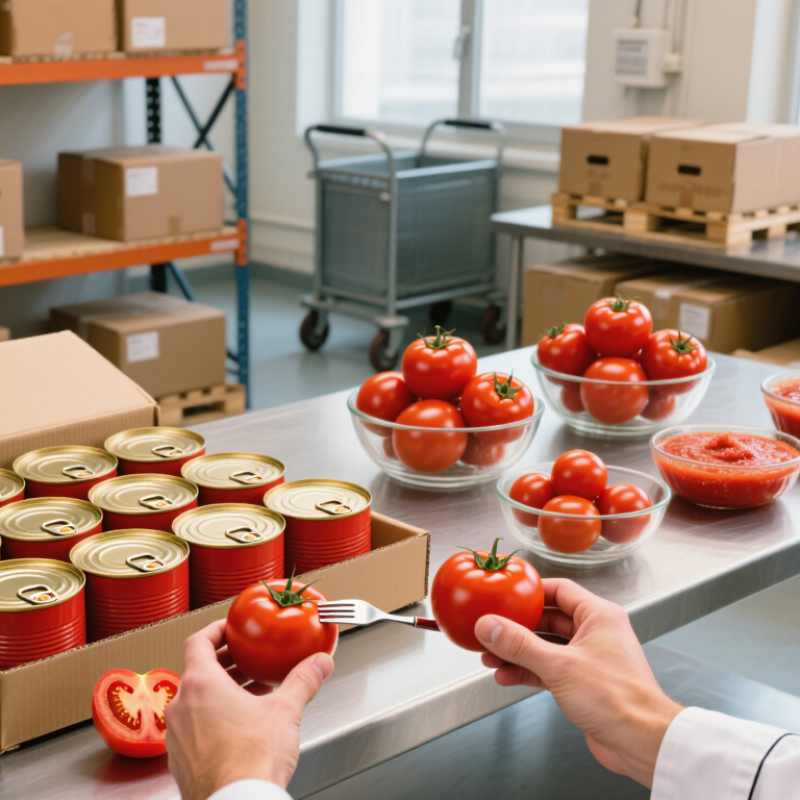
Italian peeled tomatoes are whole fruits whose skins are removed before canning, usually packed in tomato juice or purée. Their texture matters: intact tomatoes break down slowly, while crushed tomatoes thicken sauces faster. They work well in ragù, soups, pizza sauces, and braises. The World Processing Tomato Council’s 2024 crop forecast estimated about 45.7 million metric tonnes of tomatoes for processing worldwide. That figure describes the broader processing crop, not peeled-tomato supply, so buyers should not treat it as a stock estimate.
Tip: Check the ingredient list, net weight, and drained weight before comparing bulk cases. A can filled with plenty of juice may yield less usable tomato than its label suggests. Compare salt levels too, especially when recipes need consistent seasoning. For kitchens, sample a case before ordering a pallet; color, firmness, and acidity can vary by harvest and packing lot. A small test is less exciting than a bulk discount, but usually wiser.
For cooking, drain the tomatoes for a thicker sauce, or keep the juice for stews and soups. Crush them by hand for uneven, rustic pieces; blend them for a smoother base. Look for firm fruit with few broken pieces and no unusual metallic or fermented smell after opening. Packaging deserves attention as well: inspect case seals and storage conditions, since damaged cans complicate inventory and quality checks. Labels do not tell the whole story. A trial batch reveals more.
| Tip | What to Check | Why It Matters | Useful Guidance |
|---|---|---|---|
| 1. Match the tomato style to the dish | Check whether the tomatoes are whole peeled and packed in juice or purée. Review the ingredient list for added salt, herbs, or other ingredients. | Whole peeled tomatoes can be crushed by hand or with a utensil, giving the cook control over texture and seasoning. | Choose whole tomatoes for sauces, braises, and soups where you want to control the final texture. For a smoother result, crush or blend them before cooking. |
| 2. Read the country-of-origin information | Look for clear information about where the tomatoes were grown and processed. “Italian-style” wording alone does not establish Italian origin. | Origin and processing details help you compare products accurately and buy according to your sourcing requirements. | Check the packaging and supplier documentation. If a protected origin or designation is claimed, verify the relevant certification and labeling details. |
| 3. Compare cost by usable weight | Compare case price, can count, net weight per can, and—when stated—drained weight. | Pack sizes and the proportion of tomatoes to packing liquid can differ, so case price alone may not show the best value. | Calculate the price per kilogram or pound of net product. For recipes that use mainly the tomato pieces, consider drained weight as well. |
| 4. Inspect ingredients and seasoning | Check for salt, basil, citric acid, calcium chloride, or other listed ingredients, and review the nutrition panel for sodium. | Added ingredients can affect seasoning, texture, and how easily the tomatoes fit into different recipes. | For broad kitchen use, choose a product whose ingredient list suits your recipes. If sodium matters, compare the nutrition information across options. |
| 5. Check cans before accepting a bulk delivery | Inspect for leaks, bulging ends, deep dents—especially near seams—and heavy rust. Check case seals and labels too. | Damaged packaging can compromise product quality or safety and may complicate stock rotation. | Set aside cans with suspicious damage and follow food-safety guidance. Do not taste food from a leaking or bulging can. |
| 6. Plan storage and stock rotation | Confirm you have a clean, dry, cool storage area away from direct sunlight, moisture, and strong temperature changes. | Good storage helps protect unopened cans, while rotation helps ensure older stock is used first. | Use a first-in, first-out system and follow the date and storage instructions on the packaging. After opening, refrigerate leftovers promptly in a covered container and use within 3–4 days. |
| 7. Match case quantity to real demand | Estimate weekly use, recipe volume, available storage, and how quickly opened cans can be used. | Buying more than you can store or use efficiently can create waste and tie up working capital. | Whole peeled tomatoes work well in marinara and other pasta sauces, pizza sauces, soups, stews, and braised dishes. Test a case before committing to a larger order. |
Peeled tomatoes are whole fruits with their skins removed, packed in juice or purée. They break down slowly; crushed tomatoes thicken sauces faster.
Drain them for thicker sauce, or keep the juice for soups and stews. Crush them by hand for rustic pieces, or blend them smooth. Simple enough.
Look for firm fruit, even color, and a clean aroma. The packing liquid should not look unusually dark or watery. One can may still mislead.
Compare ingredient lists, net weight, drained weight, and salt content. Calculate delivered cost per usable kilogram, including freight. The cheapest case may yield less tomato.
Ask where the tomatoes are grown, processed, and packed. Request lot details, drained weight, size consistency, salt content, and a sample from the intended product grade.
Keep them in a cool, dry place away from sunlight, ovens, and damp floors. Rotate stock by date and leave room for airflow. Easy to overlook.
Transfer them to a clean, covered food-safe container and refrigerate promptly. Mark the opening date and follow package guidance for storage and use.
Start with a trial order and check how the tomatoes hold up when heated. Agree on delivery timing and damaged-can procedures. Leave some schedule room; delays happen.
Buying Italian Peeled Tomatoes in bulk starts with understanding how they fit your menu and recipes, from sauces and soups to other cooked dishes. Before ordering, check the stated country of origin, ingredient list, and processing details so you know what each product contains and how it is prepared. Compare can sizes and pack formats against your kitchen’s usage and storage capacity, then assess the wholesale price in relation to the quantity and quality offered.
Quality, shelf life, and storage conditions also matter when purchasing larger quantities. Review product information, inspect packaging for damage, and plan to store unopened cans in a cool, dry place. Finally, choose a dependable supplier with clear product details and consistent ordering practices. Estimating demand, setting a realistic delivery schedule, and leaving room for changes in usage can help you manage bulk orders efficiently and reduce unnecessary waste.

 Abiding Food