China Top 10 Whole Peeled Tomatoes in Puree Suppliers

Time:2026-11-16 Author:Charlotte
0%

China is a practical market to explore for canned tomato products, but supplier fit depends on more than price. Buyers seeking Whole Peeled Tomatoes in Puree should compare fruit integrity, puree thickness, color, ingredient declarations, can sizes, and stated net and drained weights. Small details matter. A can that opens cleanly and contains firm, evenly peeled tomatoes may suit foodservice differently from retail packs. Request current product specifications, samples, and batch documentation before drawing conclusions. Where available, review food-safety certifications and verify their scope and validity directly.

This overview introduces ten Chinese suppliers for comparison, using practical considerations such as product range, packaging options, export experience, and available quality information. A polished brochure can still leave useful questions unanswered. Ask how the supplier manages raw tomato variation, checks filling consistency, and handles customer feedback. Compare quotations only after confirming that pack size, ingredient details, and shipping terms match. The list is a starting point, not an endorsement or a substitute for due diligence. Supplier performance can change, and public information may be incomplete. That is worth keeping in mind. Samples and clear written specifications can help buyers make a more informed shortlist.
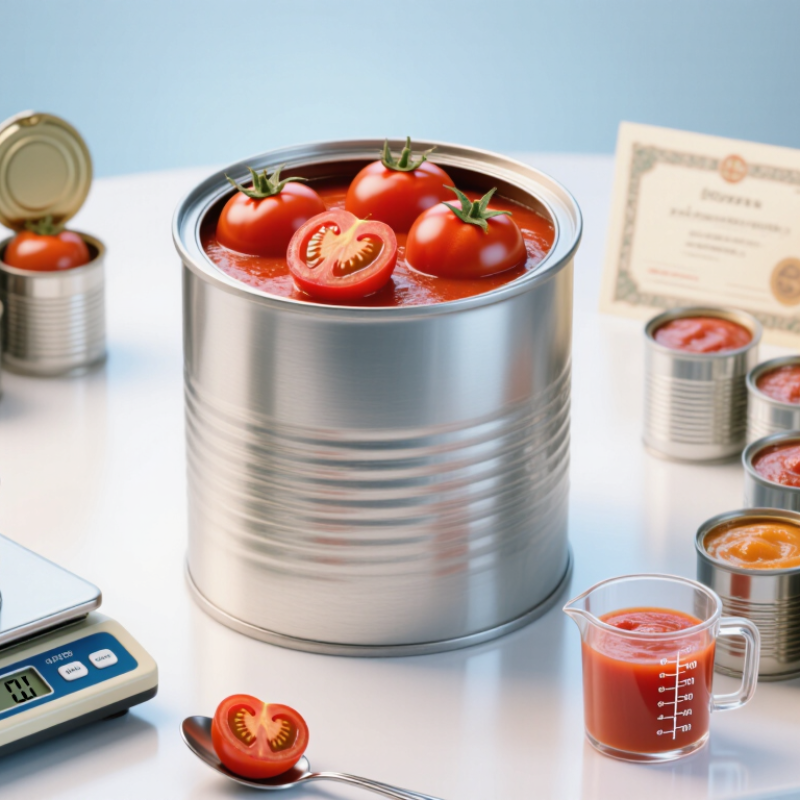
China Top 10 Whole Peeled Tomatoes in Puree Suppliers

Understanding Whole Peeled Tomatoes in Puree

Whole peeled tomatoes in puree combine intact, skin-removed fruit with a thicker tomato base. The fruit is generally selected for firmness, then blanched so the skins loosen before peeling. In a can or pouch, puree fills the spaces around the tomatoes and contributes natural acidity and sweetness. Texture matters. Look for whole pieces that hold their shape and puree that is smooth rather than watery. Color should be fairly consistent, though growing conditions and harvest timing can cause variation.

For buyers comparing suppliers in China, product details are more useful than a broad “premium” claim. Ask about tomato variety, ingredient list, drained weight, Brix range, pack size, and processing date. Check whether salt or citric acid is added, since formulations differ. A sample can reveal split fruit, excess seeds, or an unexpected flavor that a specification sheet may miss. Quite revealing. Inspect the can seam or pouch seal, and confirm batch traceability. One sample cannot represent every production run, so request current test records and discuss how the supplier manages differences between harvests. Puree is not just filler; it affects sauce body and cooking time.

How the Product Is Processed and Packaged in China

In China, whole peeled tomatoes in puree are processed around firmness, ripeness, and speed. The World Processing Tomato Council estimated the 2024 global processing-tomato crop at about 45.7 million metric tons, highlighting the scale of the raw-material supply chain. That estimate is not a measure of canned whole tomatoes alone. It does explain why factories rely on scheduled harvests and rapid delivery.

At receiving, workers and optical sorters remove damaged fruit, then tomatoes are washed and graded. A brief hot-water or steam treatment loosens the skins; peeling follows with mechanical assistance and inspection. The peeled fruit is filled into cans or food-grade pouches, then covered with prepared tomato puree. Headspace, fill weight, and seam quality matter. Small errors can affect both appearance and shelf stability. Containers are sealed and heat-processed under controlled conditions, then cooled and checked for leaks and defects.

Packaging choices vary with the buyer and distribution route. Cans protect whole fruit during long storage, while pouches can reduce transport weight, but need careful handling. China’s export-oriented processors commonly record batch, filling, and thermal-processing data for traceability. FAOSTAT reported global tomato production of roughly 186 million tonnes in 2022; this includes fresh-market tomatoes, not just processing crops. A limitation remains: public datasets rarely separate whole peeled tomatoes in puree from other processed tomato products. Buyers should therefore request product-specific specifications and recent inspection records.

Key Criteria for Evaluating Chinese Suppliers

Evaluating Chinese suppliers of whole peeled tomatoes in puree starts with the product itself. Ask how fruit maturity is checked and whether incoming tomatoes are sorted for bruises, green shoulders, or excessive softness. Request a specification sheet covering tomato size, puree consistency, drained weight, acidity, and any permitted ingredients. Details matter. A sample can reveal whether the tomatoes hold their shape after heating, while a clear lot code helps connect the can to production records. Ask for recent quality reports and an explanation of how rejected batches are handled. Paperwork alone is not proof.

Production capability deserves a closer look. Confirm whether the supplier can maintain the same pack size, puree texture, and filling weight across repeat orders. Review packaging options, seam inspection records, storage conditions, and the stated shelf life. If possible, arrange a facility assessment or use an independent inspection before shipment. Communication is another practical test: send a specific question about a sample and note how clearly the reply addresses it. A quick answer is not always a good answer. Taste evaluations can also differ between teams, so record the method and agree on acceptance criteria before comparing samples. No checklist removes every uncertainty; a small trial order may expose gaps that documents miss.

Profiles of 10 Leading Whole Peeled Tomato Suppliers

A useful comparison of ten leading whole peeled tomato suppliers should look beyond production volume. Integrated growers may offer closer control over harvest timing, while large canners often provide steadier output for full-container orders. Some processors specialize in puree consistency; others focus on foodservice formats or export-ready packaging. Private-label manufacturers can adapt labels and case sizes, though minimum orders may be higher. Small-batch suppliers may offer more flexible trials. Each profile has trade-offs.

For buyers, the details matter. Ask how fruit is sorted, how peeling damage is managed, and whether the puree has a consistent texture. Review pack size, drained weight, harvest season, and recent product specifications. A sample can reveal whether the tomatoes stay whole after heating and whether the puree tastes clean rather than overly cooked. Check can seams and cartons on arrival. Small defects matter.

A strong supplier profile should also explain lead times, sample procedures, and how issues are handled. Request current documents and compare them with the actual shipment, rather than relying on broad claims. Production capacity sounds reassuring, but it does not guarantee a reliable lot. And one sample is not enough. Supplier rankings can be useful, yet fit depends on the buyer’s recipe, order size, and delivery schedule. Some comparisons remain imperfect. That is worth admitting.

Whole Peeled Tomatoes in Puree: Supplier Evaluation Priorities

This illustrative buyer-weighting framework highlights common sourcing checks. Percentages show relative evaluation emphasis, not measured performance or rankings of any supplier.

How to Verify and Compare Suppliers Before Sourcing

When evaluating suppliers of whole peeled tomatoes in puree, compare the product specification before comparing prices. Ask for the tomato variety, size range, puree ratio, ingredient list, and packing date. Small details matter. Request recent laboratory results and confirm which tests were performed, when, and by whom. A certificate is useful, but it does not replace clear answers about the batch being offered. Ask for traceability records that connect a sample lot to its production date and packaging run.

Order samples from more than one supplier and assess them under the same conditions. Check whether the tomatoes hold their shape, whether the puree is consistent, and whether the pack shows leaks or swollen seams. Keep notes; memory is unreliable. For a factory visit or independent inspection, review processing areas, cleaning records, and storage conditions. Then compare minimum order quantities, lead times, packaging options, and total delivered cost—not just the quoted unit price. A neat document folder can still hide gaps, so verify key claims directly. If an answer is vague, ask again in writing. A slower decision may prevent an expensive mismatch.

FAQS

What are whole peeled tomatoes in puree?

They are intact, skin-removed tomatoes surrounded by a thicker tomato base. The puree fills the gaps and affects sauce texture.

What should good tomatoes and puree look like?

The tomatoes should hold their shape, while the puree looks smooth rather than watery. Color may vary with harvest conditions. Not every can looks identical.

Which product details should buyers request?

Ask for the tomato variety, ingredient list, drained weight, Brix range, pack size, and packing date. Check whether salt or citric acid is added.

Why are product samples useful?

Samples can reveal split fruit, excess seeds, or unexpected flavor. Heat them under the same conditions to see whether the tomatoes stay whole. Keep notes.

How can buyers check supplier records?

Request recent test results and traceability records linked to the sample’s production and packaging dates. A certificate alone may leave questions unanswered.

What packaging details deserve inspection?

Check can seams, pouch seals, cartons, and signs of leaks or swollen seams. Small defects matter.

How should suppliers be compared?

Compare specifications, minimum orders, lead times, packaging options, and total delivered cost. A low unit price may not tell the whole story.

Does one sample prove that every shipment will match?

No. One sample cannot represent every production run. Ask how harvest differences are managed, and compare current records with the delivered lot. Some uncertainty remains.

Conclusion

This article explores Whole Peeled Tomatoes in Puree, explaining the product’s characteristics, common uses, and the main stages involved in processing and packaging it in China. It outlines how ripe tomatoes are selected, peeled, packed with puree, and prepared in formats suited to different food-service and manufacturing needs. Readers will also find practical criteria for assessing suppliers, including product consistency, processing capabilities, packaging options, quality-control procedures, communication, and export experience.

The article profiles ten leading supplier options without relying on brand names, offering a starting point for buyers comparing the Chinese market. It also describes ways to verify and compare suppliers before sourcing, such as reviewing specifications and production information, requesting samples, confirming packaging details, and evaluating responsiveness and documentation. Together, these sections provide a structured overview to help buyers make informed decisions and identify suppliers that align with their product requirements and purchasing priorities.

Charlotte

Charlotte

Charlotte is a seasoned marketing professional with a deep understanding of the company's portfolio and a passion for elevating its presence in the market. With a keen eye for detail and a commitment to excellence, she ensures that our professional blog is regularly updated with insightful articles......