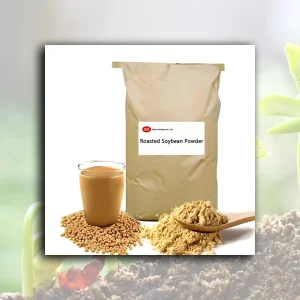
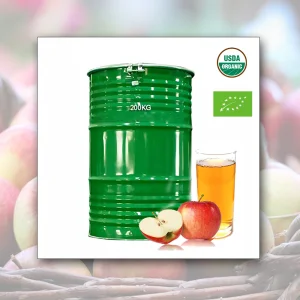
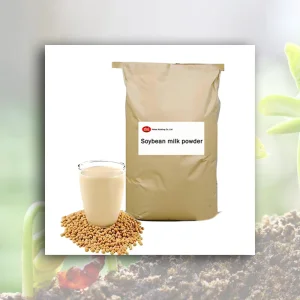
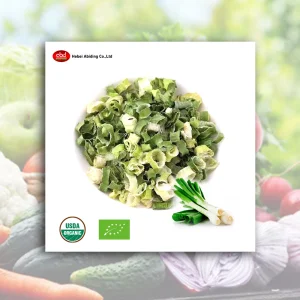
Select commercial-grade ingredients sourced direct from certified production complexes.
For global food manufacturing conglomerates, fast-moving consumer goods (FMCG) brands, and quick-service restaurant (QSR) chains, maintaining stable sourcing for key ingredients is essential. Sourcing from a reliable, cost-effective manufacturer ensures consistent margins and predictable product quality. Sourcing cheap fresh tomato sauce from optimized production facilities is not about compromising on quality; it is about leveraging advanced production lines, logistics, and raw material availability.
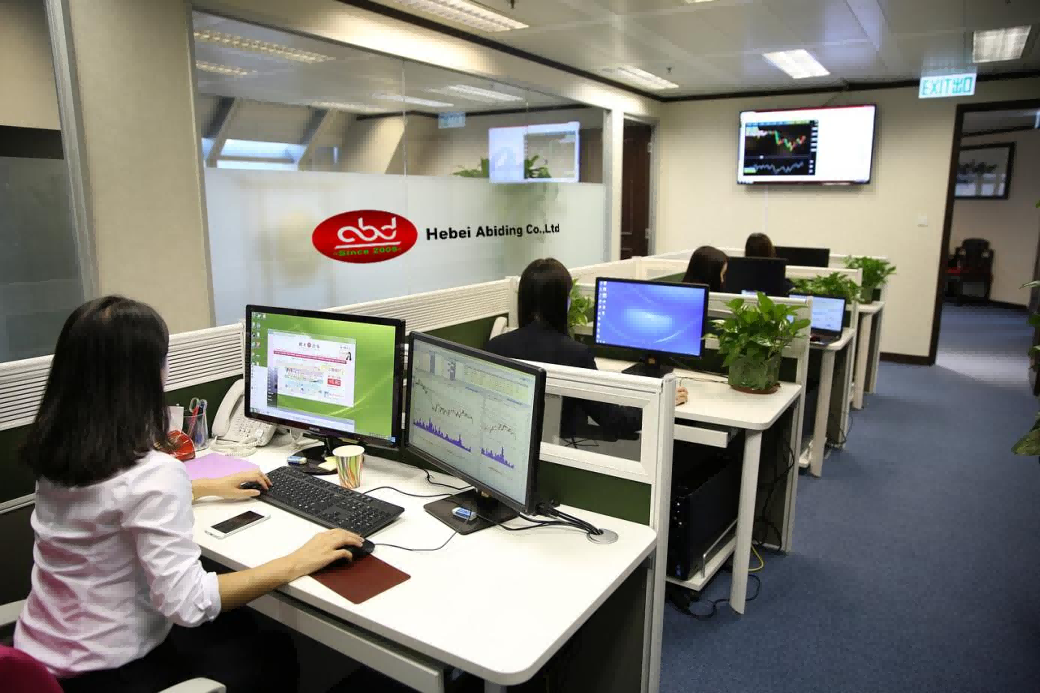
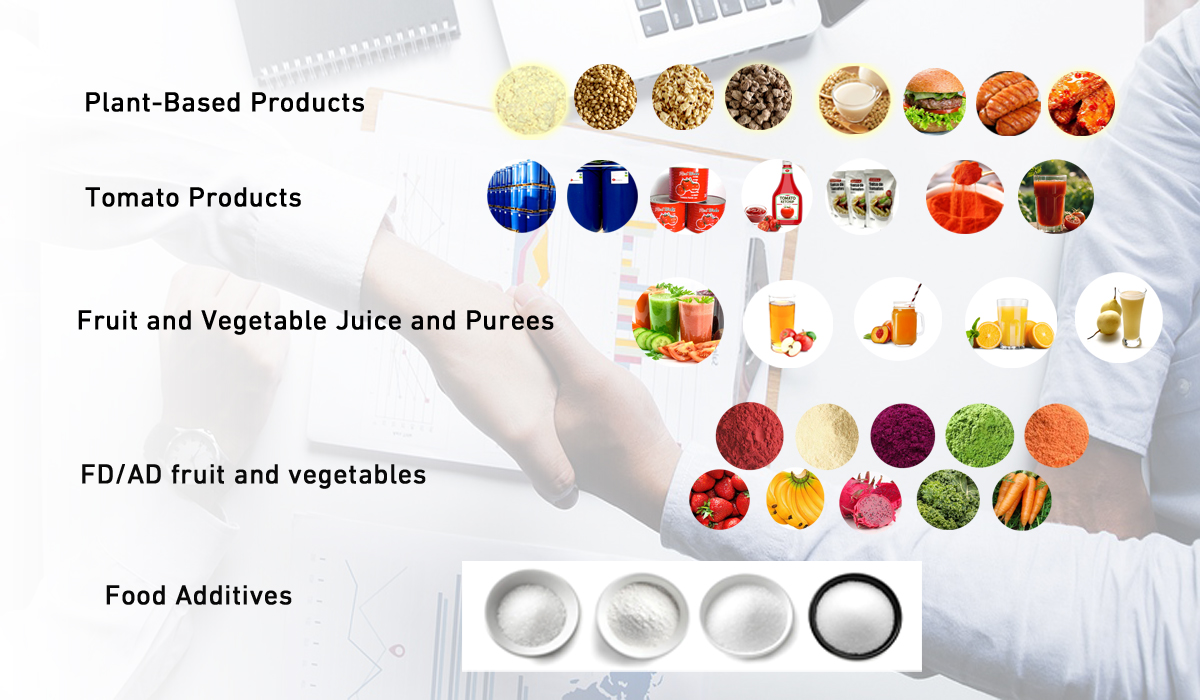
Hebei Abiding Co., Ltd., established in 2005, is a professional supplier of foods and food ingredients in China. We have built a comprehensive supply chain mechanism spanning raw material selection, manufacturing, strict quality control, and global logistics. Our core portfolio focuses on vegetable proteins, concentrated fruit and vegetable juices, purees, dehydrated (FD/AD) fruits and vegetables, and specialized plant-based ingredients.
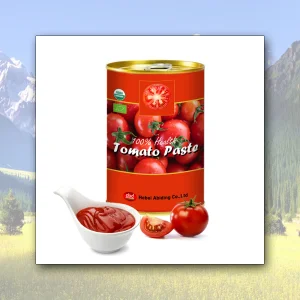
By integrating automated agricultural sourcing with state-of-the-art evaporation, concentration, and aseptic packaging systems, we deliver high-performance tomato products that satisfy B2B requirements. Whether you require standard tomato paste, customized fresh tomato sauce bases, or retail-ready formulations, our infrastructure provides the economies of scale and technical compliance your brand demands.
As a certified EU & NOP organic products supplier with more than 20 years of experience in the organic food sector, we have been ranked as a premier exporter of organic tomato products from China for many years. We operate dedicated organic farms and processing facilities in key provinces to ensure that our products strictly comply with local and international organic standards.
Our factories operate under GMP guidelines, utilizing automated production machinery to minimize human handling and preserve flavor profile consistency. We provide custom solutions, including variable Brix specifications (28-30% Cold Break / Hot Break, 36-38% Super-Concentrated), customized pH adjustments, and precise Bostwick viscosity calibrations to fit clean-label consumer preferences.
Contracts with agricultural cooperatives yield standardized fresh tomatoes with high soluble solids and minimal chemical residues.
Proudly verified as a qualified supplier to global industry leaders like Nestle, passing complex social and quality audits.
End-to-end QR/Batch tracking systems connect every drum of tomato paste directly to the regional harvest zone.

The global processing tomato industry is highly competitive, concentrated in specific regions capable of providing high agricultural yield alongside advanced thermal processing infrastructure. Sourcing from our Chinese factories offers critical strategic advantages.
Our raw tomato material is grown in northern regions like Xinjiang and Inner Mongolia, situated along the 40th parallel north. This region features:
These environmental factors yield raw tomatoes with naturally high red pigment values (lycopene > 50 mg/100g) and solid structures, providing an ideal base for cost-efficient tomato processing.
Our processing facilities are strategically located near our farm cooperatives. Freshly harvested tomatoes are transported to the washing flumes within hours, preserving natural pectin and minimizing mechanical damage or microbial degradation.
By combining high-capacity Italian-designed processing lines (such as Rossi & Catelli systems) with optimized local energy structures and efficient domestic rail networks, we offer competitive bulk pricing without sacrificing product quality.
Our processing lines are built on food safety science, utilizing precise thermal control, mechanical extraction, and aseptic technology.
Harvested tomatoes undergo multi-stage water fluming and rotary spray washing to remove soil and foreign matter. Optical sorters remove green, yellow, or damaged tomatoes, ensuring only red-ripe fruit enters the crushers.
The pulp is rapidly heated. For Hot Break (HB), temperatures reach 95°C-100°C to quickly deactivate pectinase enzymes, preserving high viscosity for thick sauces. For Cold Break (CB), processing at 65°C-75°C retains natural enzymes and fresh flavor notes.
Passing through multi-stage screen pulpers (0.8mm-1.2mm mesh) separates seeds and skins. The smooth juice is concentrated in multi-effect vacuum evaporators, removing water under low temperatures to preserve color and nutrients.
The concentrated paste is pasteurized in a tube-in-tube heat exchanger (typically 108°C-112°C for 30-120 seconds) and cooled to 38°C. It is filled into multi-layered aseptic barrier bags in steel drums or wooden bins, preventing oxidation and biological contamination without the use of chemical preservatives.
Different industrial applications require specific physical and chemical profiles. Our fresh tomato products are formulated to integrate into diverse manufacturing processes:
Ready-to-eat pasta, lasagna, and frozen pizzas require tomato sauces that maintain water-binding capacity during freezing, thawing, and microwave or oven heating. Our high-viscosity Hot Break pastes resist syneresis (water separation) under mechanical shear and thermal stress, maintaining smooth textures in commercial sauces.
Fast-food chains depend on consistent acidity, flavor, and dispensing characteristics for dipping sauces, pizza spreads, and burger dressings. We calibrate Brix (typically 28-30% Brix concentrated paste reconstituted to 12-14% Brix table sauce) and pH levels (4.1 - 4.4) to match target profiles, ensuring consistent visual appeal and taste across franchise networks.
For premium retail brands seeking clean labels, we supply organic certified tomato bases. Free from artificial thickeners, starches, or synthetic dyes, our high-color-index (a/b ratio > 2.0) fresh tomato sauces offer a deep red hue naturally.
International food safety compliance is essential for industrial food imports. We maintain active certifications and implement QA/QC procedures at every stage.
Our production facilities maintain certifications including HACCP, ISO 22000, BRC (British Retail Consortium), IFS, Kosher, and Halal, facilitating smooth customs clearance in major global markets.
Every batch undergoes testing for Heavy Metals, Pesticide Residues, Howard Mold Count (HMC < 40%), Bostwick Viscosity, and Lycopene Retention prior to shipment, with full Certificates of Analysis (COA) provided.
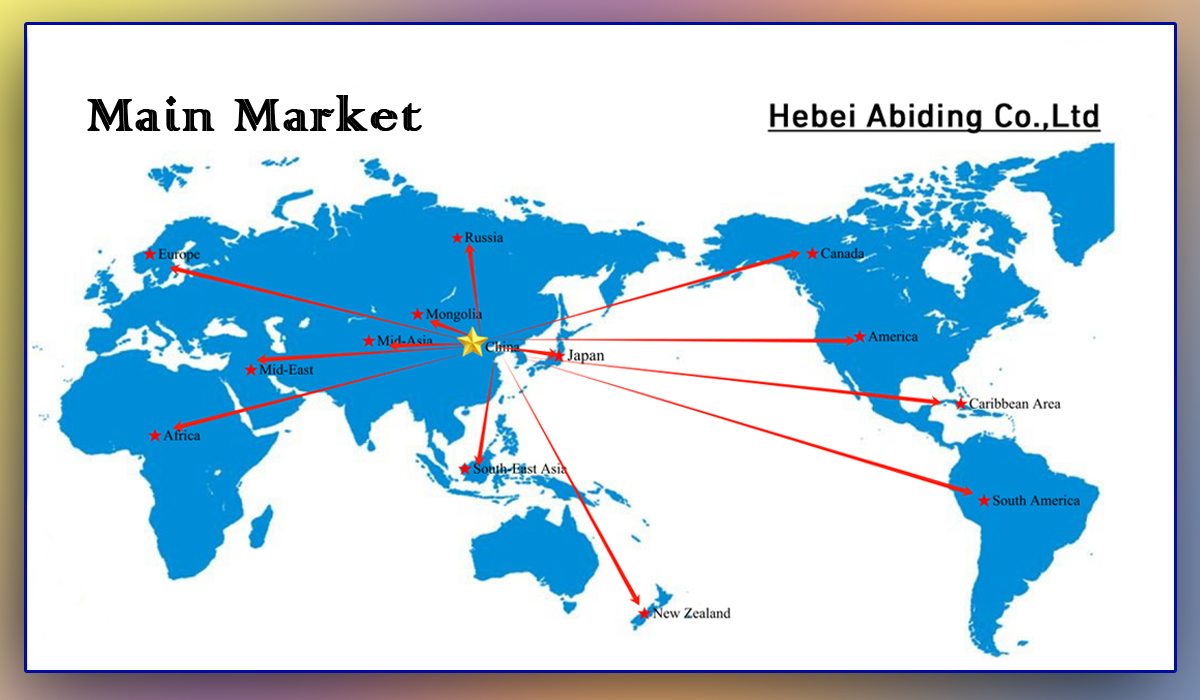
We leverage major northern ports (such as Tianjin Xingang) to coordinate ocean freight routes worldwide. We also organize trans-Eurasian block trains for direct rail container delivery into Central Asia and continental Europe.
Looking forward, our objectives focus on balancing production volume with environmental protection. As water scarcity and carbon footprints become key concerns for global procurement managers, we are actively implementing resource-efficient processing methods:
By combining high agricultural yields with modern, energy-efficient processing plants, Hebei Abiding Co., Ltd. continues to deliver high-quality, competitively priced tomato products to the international food market.

Find answers to common questions regarding specifications, packaging, shipping logistics, and compliance parameters for bulk tomato orders.
High-purity agricultural derivatives, plant proteins, and juice concentrates for manufacturing.
 Abiding Food