Demystifying cost optimization in modern plant protein manufacturing without sacrificing E-E-A-T principles and product purity.
In the high-stakes B2B food industry, searching for a "cheap pea protein manufacturer" often carries a dual meaning. Procurement officers do not seek inferior grade ingredients; rather, they aim to optimize their supply chain to discover economically efficient, scale-driven manufacturing models. Lower unit costs in pea protein manufacturing should stem from regional raw material access, technological extraction efficiency, and streamlined logistical chains.
By leveraging wet-milling process integration and high-yield protein extraction technologies, premium manufacturers can pass systemic cost savings onto global food formulators. The goal is to achieve an optimal balance between low cost and high functionality, ensuring compliance with strict global standards like EU Organics and NOP certifications.
Achieving 80%+ protein dry matter content with optimized enzymatic steps to minimize process wastes and lower production overheads.
Siphon off pea starch and pea fibers simultaneously to offset primary protein manufacturing costs, resulting in competitive bulk pricing.
Analytical breakdown of how geopolitical shifts, consumer choices, and agricultural outputs govern global B2B procurement prices.
Global logistics bottlenecks have forced manufacturers to secure raw materials closer to production hubs. By establishing localized farming systems across multiple provinces in China, large-scale manufacturers like Hebei Abiding ensure stable input costs, mitigating the impact of oceanic freight volatility on bulk pricing models.
Consumers actively seek clean-label ingredients: high protein, low calorie, non-GMO, allergen-free, and vegan-friendly. Pea protein has emerged as the premier alternative to soy and dairy. To meet international regulatory standards, manufacturers must run organic farming operations certified under EU and NOP guidelines.
Modern cheap pea protein factories integrate membrane filtration and enzymatic hydrolysis. These systems boost isolate yields while utilizing secondary waste streams to produce premium animal feed components. This circular model dramatically lowers unit manufacturing costs, offering buyers highly competitive pricing.
When selecting a pea protein manufacturing partner, food formulators must evaluate the physical-chemical attributes of the supply to match final product requirements. Misalignment can lead to poor solubility, off-flavors, or high viscosity in final applications.
Optimized for sports nutrition, protein shakes, and meat analogs. Features low fat and low carbohydrate profiles with a well-balanced amino acid composition rich in BCAAs.
Ideal for cost-conscious dry mixes, functional baked products, pet foods, and high-fiber nutritional snacks. Retains native starch and fiber compounds for enhanced texture.
Our state-of-the-art wet-milling process strips away "beany" flavor profiles. This reduces the need for expensive flavor-masking additives in final formulations.

How global food brands adapt cheap pea protein isolates across different regions to fit specific local consumer preferences.
Focuses on high-solubility, neutral-flavored, and high-digestibility isolates. Brands use bulk pea protein to create plant-based RTD (Ready-To-Drink) shakes, requiring clean dispersion profiles and stable emulsion levels under high-temperature pasteurization.
European manufacturers utilize textured pea protein (TVP) to match the bite profile of real meat. This calls for strict control over gelling capacity, water-binding coefficients, and oil absorption indexes. The clean, non-soy, and gluten-free profile of peas drives this demand.
Used widely in high-protein noodles, instant beverage powders, and dairy-free milk alternatives. It blends seamlessly with soy and rice proteins to create complete amino acid profiles that suit regional clean-label diets.
A look at the upcoming extraction and refinement technologies that will continue to drive down bulk ingredient costs.
Traditionally, isolating plant protein required significant chemical manipulation to adjust pH levels. The future of cost-efficient pea protein lies in advanced bio-fermentation and clean enzymatic separation.
These bio-catalytic methods selectively digest non-protein compounds under mild conditions. This approach lowers energy usage, reduces chemical input costs, and maintains the protein’s natural functional properties, yielding a more clean-label, bio-available product.
Blending precision-fermented target amino acids with plant bases like peas to optimize protein quality score (PDCAAS) economically.
Reclaiming and recycling processing water through closed membrane loops to cut utility costs, protecting the margins of high-volume buyers.
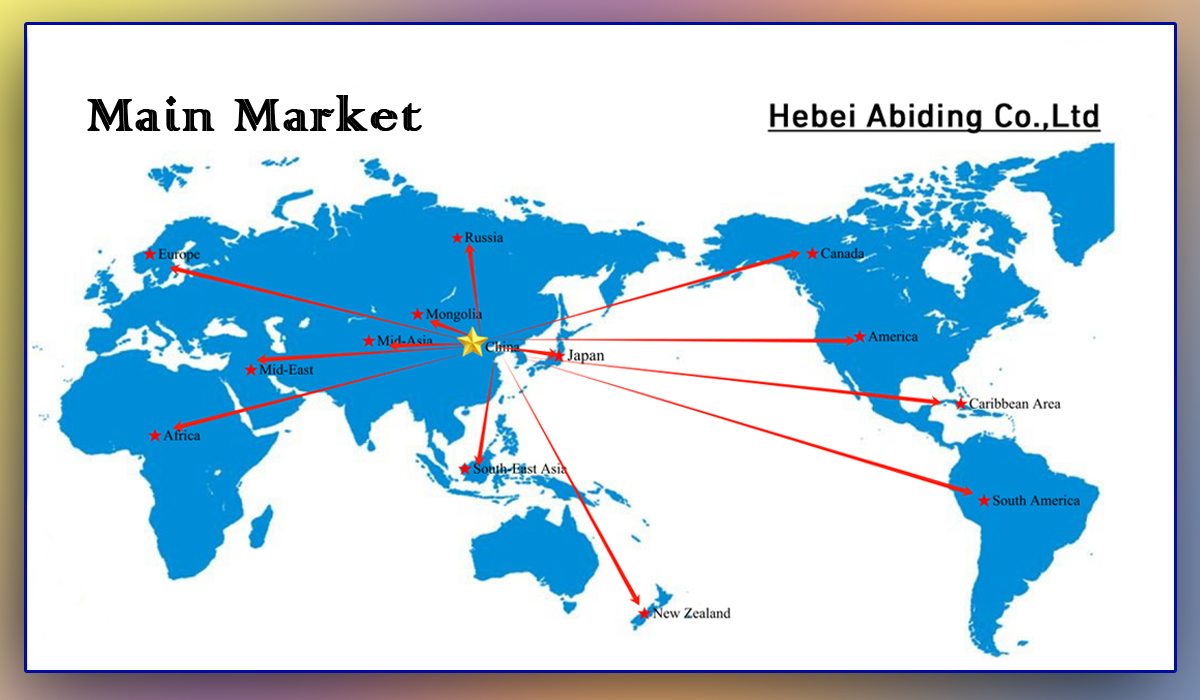
Combining decades of industrial experience with a global footprint to deliver certified, cost-effective plant protein solutions.
Hebei Abiding Co., Ltd., established in 2005, is a professional supplier of foods and food ingredients in China. We operate a comprehensive sourcing and manufacturing network that spans raw material supply, production, sales, and dedicated after-sales service, ensuring consistent, high-quality shipments for all customers.
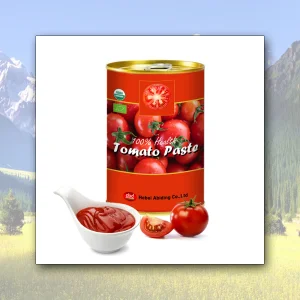
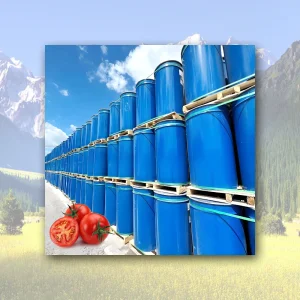
As a certified EU & NOP organic products supplier with more than 20 years of experience in organic food sectors, we have maintained our position as one of the top exporters of organic tomato paste in China for years. We manage dedicated organic farms and modern processing facilities across multiple Chinese provinces, ensuring our products strictly comply with international organic standards.
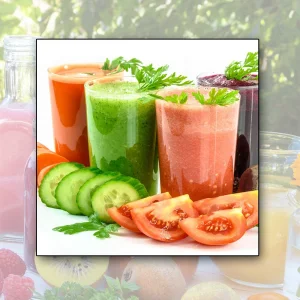
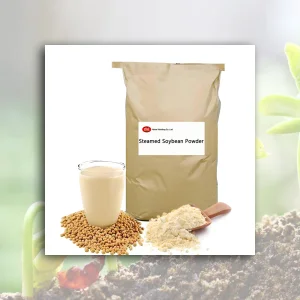
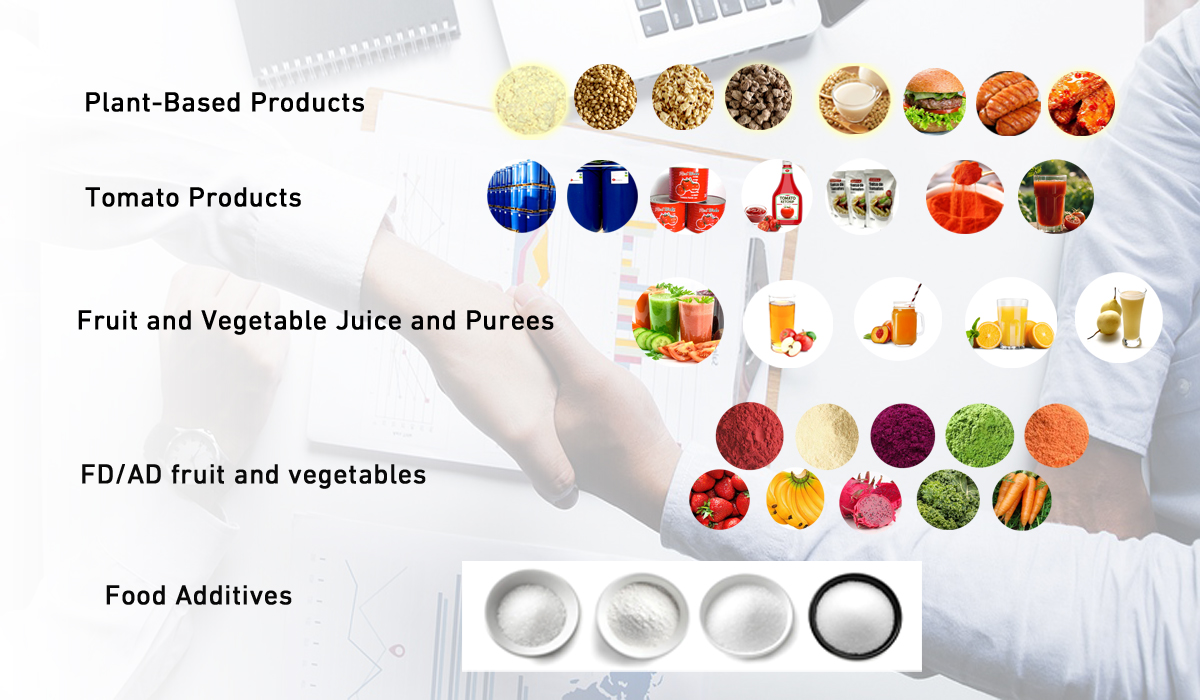
Our core portfolio features vegetable proteins, fruit and vegetable juices, purees, FD/AD fruits and vegetables, plant-based products, and a wide selection of food ingredients and additives.
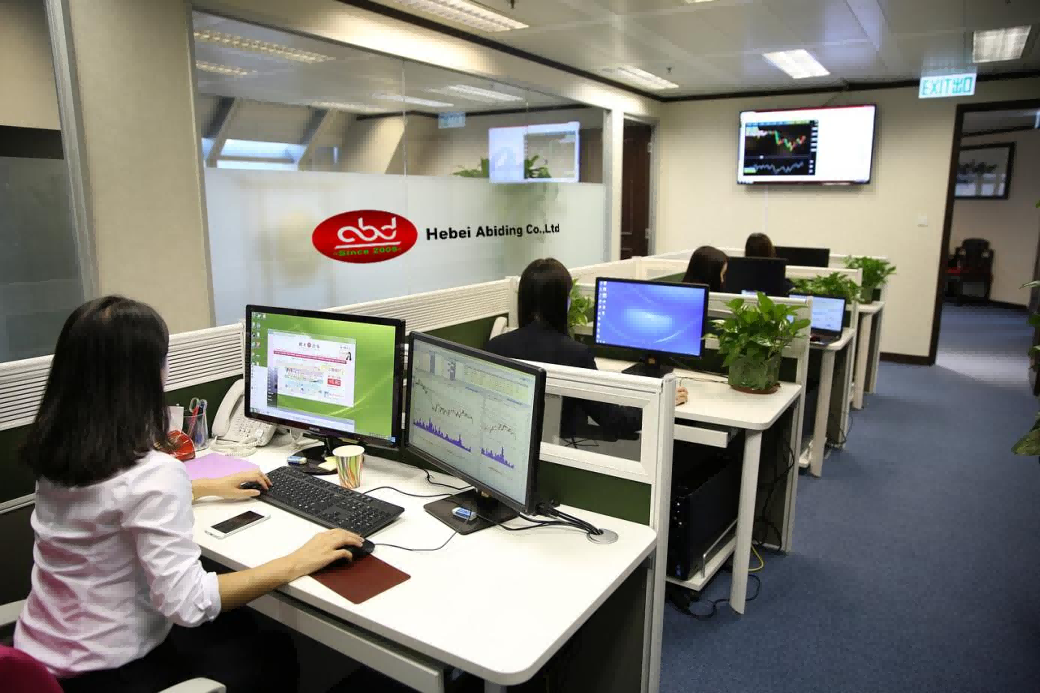

We have established long-term, stable business relationships with global clients, earning a trusted reputation across international markets. We are proud to be an approved, qualified supplier for Nestlé and other leading global food brands.
Our Purpose: To supply healthy, safe ingredients paired with attentive customer service. We build fast, efficient management systems and complete quality traceability networks. We operate on the principles of "character, food, conscience, and love."
Our Objectives: To align our operations with environmental sustainability, support global health initiatives, pool industrial expertise, and drive mutual growth in the plant-based sector.
A technical guide for procurement managers evaluating pea protein manufacturers on quality, scale, and compliance.
Ensure your manufacturing partner holds up-to-date organic certifications (EU & NOP). Verify allergen control protocols and test reports for heavy metals, pesticide residues, and GMO status. Ask for ISO 22000, HACCP, Halal, or Kosher credentials to match your target market’s regulations.
Request pilot-scale samples to test water-binding capacity, oil absorption, emulsion stability, and particle size distribution. Make sure the protein disperses smoothly in your liquid formulations and performs consistently under thermal processing without separating.
Review the manufacturer's annual capacity, bulk storage setup, and logistics networks. Partnering with a supplier who manages integrated shipping routes and localized warehouses reduces supply chain disruptions and ensures timely deliveries during high-demand seasons.
Direct, technical answers to common questions about pea protein manufacturing, cost structures, and quality standards.
 Abiding Food