Explore our primary list of high-grade food raw materials, organic extracts, and customized pastes exported globally.
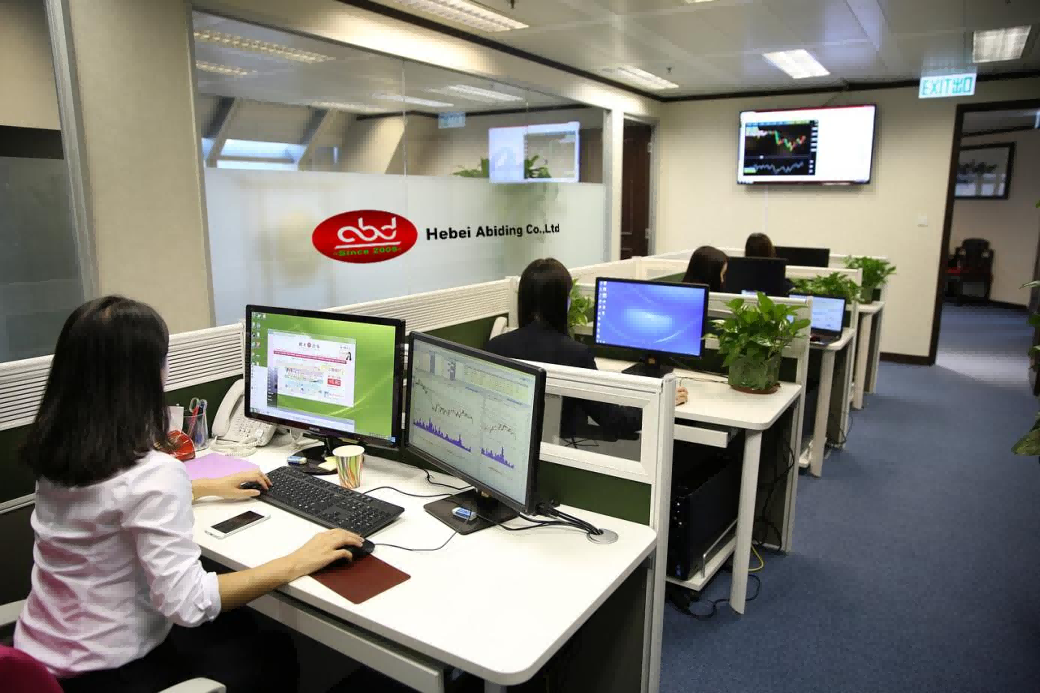
Established in 2005, Hebei Abiding Co., Ltd. has evolved into a premier B2B manufacturer, supplier, and exporter of high-grade food raw materials and specialty ingredients in China. Over nearly two decades of commitment, our processing mechanisms have set the standard for trace-to-source logistics, spanning agricultural cultivation, scientific extraction, state-of-the-art cold chain storage, and rigorous quality assessment.
As a global partner certified under EU & NOP organic protocols, we support international food giants (including Nestle and other Fortune 500 food conglomerates) with tailored raw materials that solve real production problems: consistency, price efficiency, and certified purity.
Our focus revolves around functional, organic, and highly scalable ingredients demanded by modern nutrition metrics: plant-based proteins, high-concentration tomato bases, specialized juices, dehydrated botanicals, and high-performance food additives.
We solve the fundamental sourcing dilemma of balancing cost and certifications, allowing global buyers to acquire robust, supply-chain-secured ingredients without premium overheads.
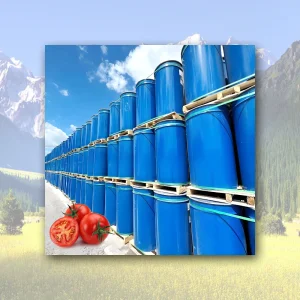
By pairing vertical agricultural integration with localized global distribution, we ensure that every drum of tomato paste meets strict specifications.

As a certified EU & NOP organic products supplier with more than 20 years of experience in the organic food fields, we have been ranked the largest exporter of organic tomato paste in China for many years. We operate our own organic farms and processing facilities in different provinces in China to ensure that our products strictly comply with organic standards.
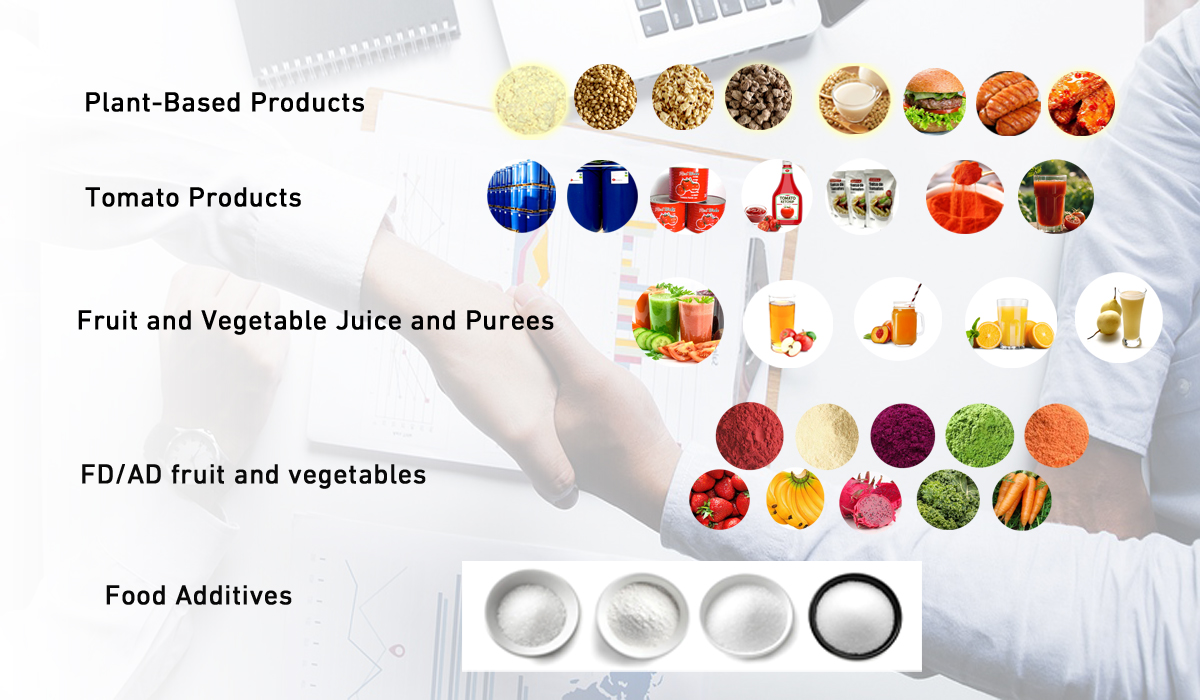
Modern consumers actively demand healthy, safe, and clean-label foods. Products prioritizing high-protein, high-fiber, low-calorie, vegan, GMO-free, gluten-free, and keto-friendly formulas have quickly dominated the global retail shelves. Leveraging our extensive organic background, we develop specialty items that help our clients capture these high-potential markets.
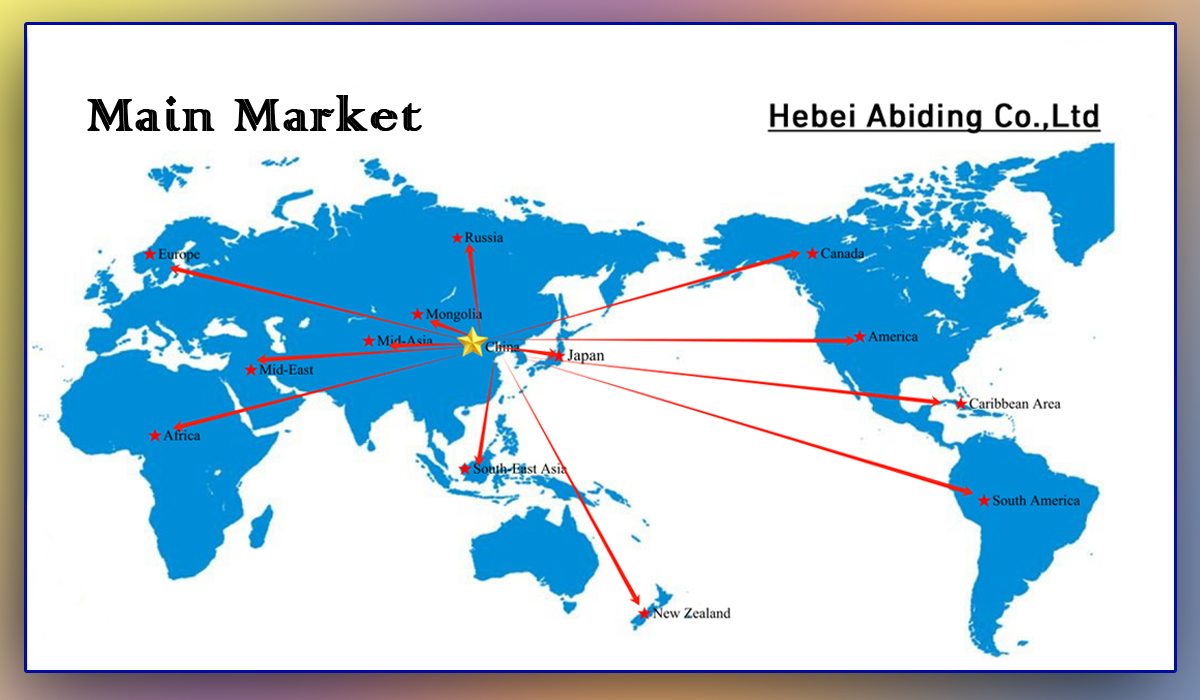
We have established long-term and stable business cooperation with many customers around the world and have won an outstanding reputation. We are proud to be a qualified supplier certified by Nestle and other world-renowned companies, ensuring compliance with strict industrial food processing and safety protocols (HACCP, ISO 22000, Halal, Kosher).
Decoding the supply chain metrics that govern bulk tomato paste procurement for quick-service restaurant (QSR) chains, frozen food conglomerates, and industrial sauce blenders.
In the industrial manufacture of pizza sauce, the choice of tomato paste is a critical technical factor. The viscosity, moisture separation (syneresis), and spreadability of the final pizza sauce depend directly on the processing temperatures applied at our manufacturing sites:
The commercial pizza industry requires high-yield tomato paste that can handle reconstitution without splitting. By sourcing high-quality, cost-efficient Chinese tomato paste, global buyers decrease their raw material overheads by up to 22% while securing raw paste featuring an optimal Bostwick viscosity of 5.0–9.0 cm/30 sec.

At Hebei Abiding Co., Ltd., we harmonize our production goals with environmental protection. "Survival by quality, development by characteristics" drives us to maintain a fast, efficient management team and a fully functional quality traceability system that tracks seed lineage, crop growth conditions, processing metrics, and shipping coordinates.
When international procurement managers search for "cheap pizza tomato paste," it is crucial to understand that low cost does not equate to low quality. China's global competitiveness in tomato paste production is driven by distinct agricultural and industrial advantages:
Standard parameters for bulk pizza tomato paste formulation. Custom profiles can be engineered upon request.
| Specification Parameter | Hot Break (HB) Paste Range | Cold Break (CB) Paste Range | Test Standard / Methodology |
|---|---|---|---|
| Brix Concentration | 28% - 30% (Standard) | 36% - 38% (Super-concentrated) | Refractometer (20°C temperature compensated) |
| Bostwick Viscosity | 5.0 - 7.0 cm / 30 sec (High Viscosity) | 8.0 - 11.0 cm / 30 sec (Standard Flow) | Bostwick Consistometer (at 12.5% Brix dilution) |
| Lycopene Content | ≥ 50 mg / 100g | ≥ 60 mg / 100g | Spectrophotometric analysis |
| pH Value | 4.1 - 4.4 | 4.1 - 4.4 | Digital pH Meter Calibration |
| Howard Mold Count (HMC) | ≤ 40% maximum | ≤ 40% maximum | AOAC Official Method (Standard Microscopic analysis) |
| Titratable Acidity | 7.0% - 9.0% (as anhydrous citric acid) | 7.5% - 9.5% (as anhydrous citric acid) | Sodium Hydroxide titration |
| Packaging Standard | 220L Aseptic Bag in Steel Drums | 1000L Aseptic Bag in Wooden Bins | Aseptic heat sealing system |
How food service operators and processing plants optimize raw tomato concentrate for commercial output.
Industrial frozen pizza manufacturers face the challenge of sauce weeping. During thawing and oven baking, standard pastes can release moisture, making the crust soggy. Using our Hot Break tomato paste helps retain bound water, stabilizing the sauce layer under high-heat cheese melting cycles.
Quick Service Restaurant (QSR) chains require simple preparation methods. By purchasing our bulk 28-30% Brix paste, chains can reconstruct uniform pizza sauce on-site by adding water, olive oil, and proprietary herb blends. High color intensity (L-value > 2.0) ensures the sauce looks appealing under oven lights.
For brands packaging consumer-facing pizza sauces in 400g tins or glass jars, our paste offers a reliable base. The low Howard Mold Count and strict organic compliance (EU/NOP) mean labels can confidently claim a clean, certified recipe with minimal chemical preservation.
Navigating import tariffs, ocean freight logistics, shelf preservation, and custom packaging systems for tomato paste.
To meet different industrial requirements, we provide versatile packaging solutions:
Every export shipment is verified through third-party inspections (such as SGS or CCIC) for chemical purity, heavy metal content, and microbiological safety. Our complete batch traceability system records every phase of production, linking back to the farming plots in Xinjiang and our processing lines in Hebei.
Find answers to key technical questions about bulk pizza tomato paste, logistics, and quality assurance.
Check our extended catalog of juices, concentrates, dried fruit, and plant protein ingredients.
 Abiding Food