In the global food service, hospitality, and retail distribution industries, the demand for premium tomato ingredients represents one of the most critical procurement verticals. Canned whole peeled tomatoes are universally regarded as the gold standard for culinary preparations, providing the fundamental structural and flavor base for premium pasta sauces, Neapolitan pizzas, industrial soups, and ready-made meals. Unlike highly processed pastes or purees, whole peeled tomatoes retain their natural integrity, allowing chefs and food processing companies to customize texture, viscosity, and mouthfeel at the point of final production.
Strict controls over the brix-to-acidity ratio guarantee that industrial buyers receive uniform products year-round, minimizing preparation variables and stabilizing flavor profiles across global commercial chains.
Our raw tomatoes are selected from specialized processing cultivars (primarily plum and pear-shaped varieties) to ensure they resist collapse during thermal sterilization and long-term shelf storage.
Packed only in their natural juice, with minimum citric acid added for pH stabilization. Free from artificial firming agents (like calcium chloride) when requested for organic compliance.
Global procurement teams must look past nominal unit pricing and evaluate tomato suppliers based on drained weight yield, color score (using the LaB scale), and Howard Mold Count (HMC) metrics. These operational data points directly correlate with product yields and brand security in food preparation.
Established in 2005, Hebei Abiding Co., Ltd. has evolved into a premier manufacturer, factory group, and exporter of high-quality agro-products and food ingredients in China. Over nearly two decades of intensive development, we have established a sophisticated agricultural-to-industrial ecosystem. Our operational framework spans from raw seed selection and organic farming supervision to advanced deep processing, international logistics management, and post-sales technical support.
As a certified EU & NOP organic products supplier with more than 20 years of experience in organic agricultural sectors, we have successfully managed complex supply structures to remain the largest exporter of organic tomato paste in China for consecutive years. Our owned and contracted organic farms operate under strict biological pest management protocols and zero-chemical fertilizer regimes.
Earning and maintaining status as a qualified ingredient supplier to Nestlé and other major multinational food conglomerates underscores our commitment to safety. Our manufacturing plants utilize HACCP, BRC, IFS, and ISO 22000 management standards, guaranteeing that every shipment undergoes rigorous chemical, heavy metal, microbiological, and sensory evaluation.
Our core product portfolio includes plant-based proteins, dehydrated organic vegetables, fruit and vegetable juice concentrates, fruit purees, FD/AD foods, and an array of specialty ingredients. With our corporate purpose focused on providing healthy, safe, and customizable products, we run our manufacturing facilities on the philosophy of "character, food, conscience, love," ensuring every batch matches strict international compliance structures.
China’s tomato processing sector, particularly in regions like Inner Mongolia and Xinjiang, benefits from unique geographic and climatic parameters. This positioning allows Hebei Abiding Co., Ltd. to output highly competitive, top-tier canned whole peeled tomatoes that easily match Mediterranean counterparts in color, natural sweetness, and structure.
Growing fields feature intense sunlight exposure (averaging 15–16 hours daily during summer) and high temperature differentials between day and night. This naturally maximizes lycopene production and Brix accumulation in our processing tomatoes.
By employing modern mechanical harvesters with integrated optical color sorters directly on the field, we decrease physical handling and reduce the time window between harvesting and canning to under 6 hours.
Our logistical network leverages major rail links and sea transport nodes, allowing us to ship efficiently to European, North American, Southeast Asian, and Middle Eastern markets with stable shipping costs and predictable lead times.
| Agricultural Parameter | Typical Italian/Mediterranean Standards | Abiding Foods (China Source) Standards | Industrial Value to Buyer |
|---|---|---|---|
| Lycopene Content | ≥ 8.0 mg/100g | ≥ 11.5 mg/100g | More vibrant red color in finished sauces |
| Natural Brix (Raw Tomato) | 4.5% – 5.0% | 5.2% – 5.8% | Less cooking time needed to concentrate sauces |
| pH Level (Final Canned Product) | 4.2 – 4.5 | 4.1 – 4.3 | Inherent biological safety and shelf stability |
| Howard Mold Count (HMC) | ≤ 40% | ≤ 25% | Exceptional raw material hygiene index |
The canning of whole peeled tomatoes at our factories utilizes advanced thermo-physical peeling technology instead of outdated chemical lye peeling methods. This protects the physical and organoleptic properties of the fruit. Below is our processing blueprint:
Freshly harvested tomatoes are received via water channels (hydro-flumes) to prevent bruising, followed by three levels of rotary drum washing to eliminate soil residues.
Tomatoes are subjected to pressurized steam for 15–30 seconds. This rapidly expands moisture beneath the skin, causing it to loosen cleanly from the pulp without cooking the inner flesh.
Automated smart vision sorting systems discard tomatoes showing skin tags, uneven coloration, or structural blemishes, ensuring only uniform tomatoes reach the filling stage.
Peeled tomatoes are packed alongside premium natural tomato juice. High-vacuum sealing prevents oxidation and preserves raw nutrients during long-term storage.
Using computerized horizontal retort machinery, packed cans undergo thermal processing ($F_0 \ge 4.0$). This eliminates bacterial spores while protecting lycopene integrity and texture.
Every processing run is cataloged with unique batch codes. Retained samples undergo microbiological incubation testing for 14 days before being cleared for export shipping.
By 2026, Hebei Abiding is transitioning its main processing facilities to rely on 35% on-site solar energy generation. We are also integrating AI-guided sorting lines to reduce water usage during cleaning steps by 20%, contributing directly to our buyers' scope 3 emission reductions.
Canned whole peeled tomatoes play distinct roles depending on the localized market segment and preparation scale. Hebei Abiding supports all commercial and industrial verticals with customized specifications:
For pizzerias and high-turnover Italian restaurants, canned whole peeled tomatoes are typically crushed by hand or low-speed hand blenders. High-viscosity filling juice minimizes oven wetness, preventing soggy pizza crusts.
Producers of retail jarred pasta sauces, frozen ready-meals, and commercial salsa rely on bulk formats (like A10 cans or aseptic drums). The fruit's high structural integrity ensures it survives automated mixing processes without turning to mush.
For supermarket chains looking to expand their organic premium private-labels, our USDA NOP and EU Organic certifications ensure quick customs entry and high consumer confidence in the healthy eating market segment.
Every food market has distinct legal parameters. Our regulatory compliance team manages documentation requirements to simplify your import customs clearances:
Our plants maintain active certifications for BRC (Grade A), IFS, Kosher, Halal, USDA Organic (NOP), and EU Organic standards. Every batch is exported with corresponding Phytosanitary and Origin certificates.
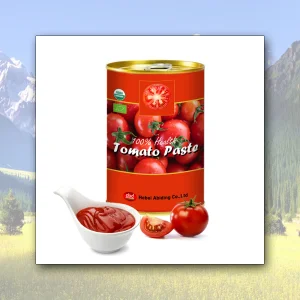
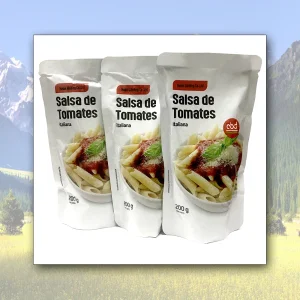
We accommodate customizable parameters, including packing mediums (natural juice, puree, or water), raw Brix levels, and customized acid balances. Packaging choices range from 400g and 800g retail cans to 2.5kg and A10 catering sizes, as well as bulk aseptic pouches for industrial processors.
 Abiding Food