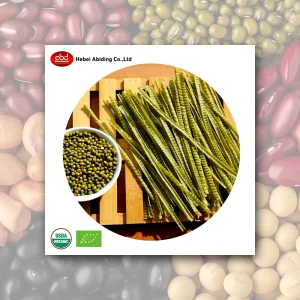
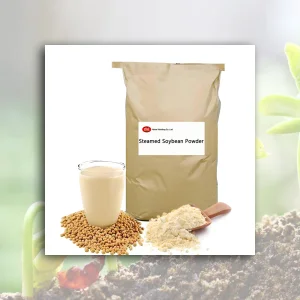
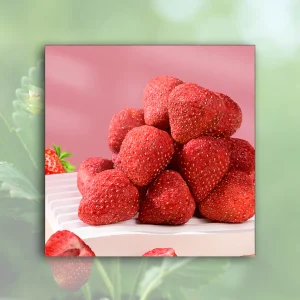
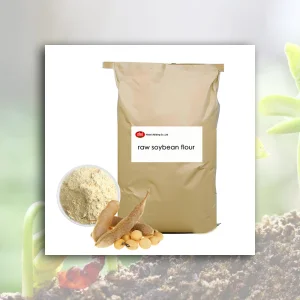
Explore our certified portfolio of highly functional agricultural derivatives and food ingredients designed to meet the rigorous clean-label requirements of modern global brands.
As plant-based nutrition rapidly expands, Soy Protein Concentrate (SPC) has emerged as a cornerstone ingredient. SPC offers a protein concentration of ≥ 68% to 70% on a moisture-free basis, making it a highly efficient source of amino acids. Crucially, the process of manufacturing SPC removes soluble sugars (primarily raffinose and stachyose) that are known to cause digestive discomfort and flatulence, thereby offering enhanced digestibility compared to defatted soy flour.
Our extraction methodologies preserve the native structural integrity of the soy globulins (glycinin and beta-conglycinin) while maximizing their functional properties. The resulting SPC exhibits exceptional water-binding, emulsification, and gelation capabilities, which are highly valued in applications ranging from comminuted meat products and bakery items to sophisticated aquaculture feed formulations.
By leveraging advanced thermal processing and isoelectric precipitation parameters, we control the Nitrogen Solubility Index (NSI) to customize functional behavior, ensuring that each batch is engineered specifically for its target application.
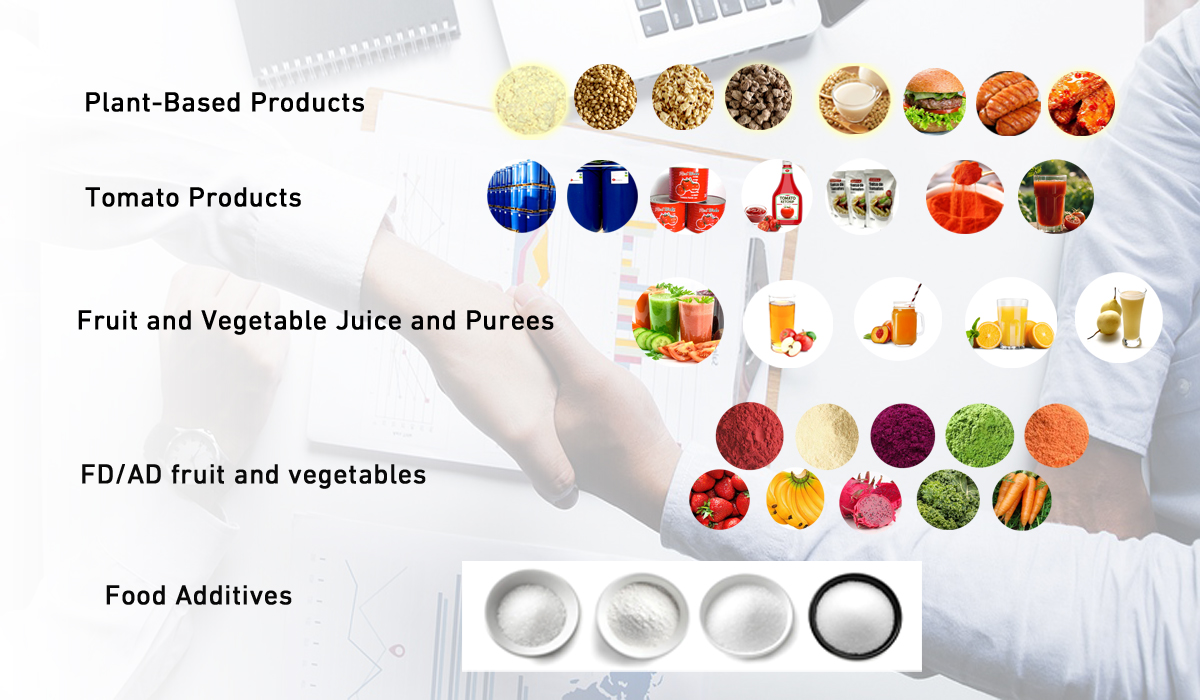
Developing high-yield, functional plant proteins requires a rigorous scientific approach to soybean extraction. Our technical roadmap details the precise methodologies used to refine raw soybeans into highly functional protein fractions.
Only identity-preserved (IP) non-GMO soybeans are selected. Seed conditioning and de-hulling processes are optimized to minimize structural damage to the cotyledon cells. De-hulled beans are flaked and defatted using hexane extraction, yielding a low-temperature defatted flake with a high Nitrogen Solubility Index.
To produce highly purified SPC, the defatted flakes undergo counter-current wash cycles utilizing food-grade aqueous ethanol (60% to 90% concentration). This specific solvent matrix selectively extracts soluble carbohydrates (sucrose, raffinose, stachyose), mineral salts, and lipophilic compounds without solubilizing the structural soy globulins. This step also significantly reduces off-flavors and green, beany notes.
For specific functional applications requiring higher water solubility, an alternative acid-leaching process is employed. The pH of the washing slurry is adjusted to the isoelectric point of soy proteins (pH 4.5). Soluble constituents are washed away, and the insoluble protein precipitate is subsequently neutralized with food-grade alkali to restore solubility and target gel-strength metrics.
For applications in plant-based meat analogues, the neutralized concentrate is subjected to High-Moisture Extrusion Cooking (HMEC). Under high shear, temperature, and pressure, the protein molecules align into parallel fibrous bundles, replicating the texture of animal muscle tissue.

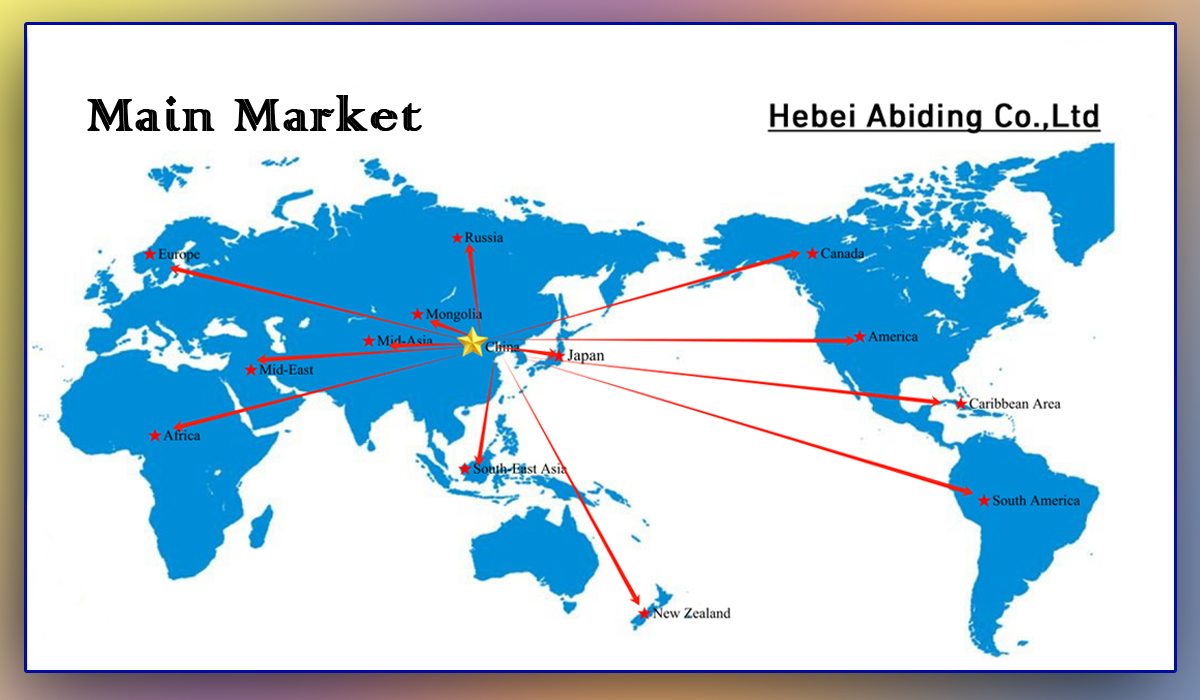
Our manufacturing centers in China are strategically located to optimize agricultural inputs and global logistics. China’s extensive rail and highway networks allow us to source high-grade non-GMO soybeans directly from Northern agricultural belts with minimal carbon footprint and maximum tracing accuracy.
Furthermore, our facility’s integration of state-of-the-art automation systems reduces energy consumption per metric ton of finished product by 18% compared to traditional plants. With dedicated raw material buffers and multi-port shipping pathways (primarily via Tianjin/Xingang Port), we protect our international clients against localized logistics disruptions and raw material cost volatility.
Through continuous vertical integration—from contracted soybean farming to advanced spray drying and packaging—we offer an uninterrupted supply of organic and conventional soy protein concentrates at competitive global prices.
Established in 2005, Hebei Abiding Co., Ltd. has developed into a premier supplier of foods and food ingredients in China. Over nearly two decades, we have designed a comprehensive operational mechanism that links raw material supply, production, strict sales quality control, and dedicated after-sales support. This structured workflow ensures that every batch of ingredients delivered to our clients conforms precisely to standard specifications.
Our core product line includes plant proteins, organic and conventional fruit and vegetable juice concentrates, purees, freeze-dried (FD) and air-dried (AD) fruits and vegetables, and a broad range of food additives. As a certified EU & NOP organic products supplier with more than 20 years of experience in organic agriculture, we have been ranked the largest exporter of organic tomato paste in China for many years. We maintain our own organic farms and processing facilities across several provinces, ensuring full compliance with international organic standards.
Our core corporate philosophy is defined by our operational values: "character, food, conscience, love". We target sustainable development by synchronizing our production models with environmental protection, seeking collective innovation to build an excellent enterprise.
Hebei Abiding Co., Ltd. has established long-term and stable commercial relationships with major food brands and distributors worldwide. We are proud to be recognized as an approved supplier for Nestle and other international food manufacturers, which underscores our adherence to strict safety and quality standards.
We recognize that local regulatory landscapes vary significantly. Our global regulatory department offers support for import clearance, providing complete trace documentation, allergen statements, heavy metal analysis, and pesticide residue assays. Whether you require compliance with USDA NOP, European Union Organic, Kosher, Halal, or Chinese national food standards, our documentation ensures smooth customs entry and risk-free formulation integration.
Our localized support also extends to functional customizations: adjusting particle sizes (fine mesh vs. granular formats), tailoring moisture properties for baking systems, and optimizing dispersibility for high-throughput automated dry-blending plants.
Soy Protein Concentrate offers functional flexibility, serving as a texturizer, emulsifier, and nutritional fortifier across a wide range of industries.
In sausage, meatball, and burger manufacturing, our SPC binds free moisture and fat molecules. This process limits cooking loss, retains meat juices, and preserves texture during thermal processing and freeze-thaw cycles, maintaining high organoleptic quality.
Textured Soy Protein Concentrate (TSPC) forms the structural basis for meat alternatives. Its fibrous matrix absorbs water up to three times its weight, simulating the chewiness and bite of poultry, pork, or beef in vegetarian patties and ready-to-eat products.
Due to its high digestibility, low ash, and low levels of anti-nutritional factors (antigens like glycinin and beta-conglycinin), SPC is widely used in fish feed (especially for trout and salmon) and early-weaning piglet diets as a replacement for fishmeal.
In baking applications, SPC improves dough yields and crumb structure through its water-absorption properties. It is also widely used in protein-enriched bars, weight-management powders, and dietary supplements to boost protein content without altering flavor profiles.
Because the soluble sugars and starch fractions are removed during alcohol extraction, SPC is low in net carbohydrates. This makes it an ideal ingredient for keto-friendly formulations, diabetic snacks, and high-protein, low-glycemic dietary foods.
With its balanced hydrophilic-lipophilic balance (HLB), SPC acts as an excellent stabilizer in pourable emulsions, gravies, and canned sauces, preventing oil separation and maintaining structural viscosity over shelf life.
Quality and food safety form the foundation of our production processes. Under our integrated traceability system, each batch of Soy Protein Concentrate is assigned a unique batch identifier that traces back to the primary soybean seed supply, cultivation field, processing parameters, and logistics route.
Our internal analytical laboratory conducts continuous monitoring of chemical, physical, and microbiological parameters: HPLC determination of soy isoflavones, Dumas method for total nitrogen quantification, and routine PCR verification for non-GMO validation.
We maintain an active Hazard Analysis Critical Control Point (HACCP) program. Key critical control points—such as desolventizing temperatures, metal detection, and final product packaging parameters—are monitored in real time, preventing external contamination and guaranteeing stable physicochemical metrics for every shipment.

Soy Protein Concentrate contains 65% to 70% protein (dry basis) alongside insoluble dietary fibers, providing structural body and cost advantages in water retention. Soy Protein Isolate (SPI) is processed further to reach ≥ 90% protein, removing almost all non-protein components. SPI offers higher solubility and film-forming properties but lacks the dietary fiber matrix of SPC, which is beneficial for texturized meat and high-fiber products.
By utilizing food-grade aqueous ethanol, we wash away soluble sugars and organic compounds, including aldehydes and ketones, which are responsible for the typical raw, beany flavor of soy. This yields a neutral, clean-tasting protein concentrate that integrates into food matrices without requiring flavor-masking agents.
Yes. We implement an Identity Preservation (IP) program throughout our supply chain. All raw soybeans are sourced from certified non-GMO agricultural regions in China. Every production batch undergoes Polymerase Chain Reaction (PCR) screening at independent third-party laboratories to verify the absence of genetically modified DNA prior to export.
Standard soy meal contains oligosaccharides and soy antigens (glycinin and beta-conglycinin) that cause intestinal inflammation in carnivorous fish. Our extraction process removes these soluble carbohydrates and denatures the antigens, resulting in a highly digestible protein source that can replace fishmeal without causing enteritis.
Our standard packaging options include 25kg multi-wall kraft paper bags with food-grade PE inner liners, as well as 1-metric-ton bulk bags (FIBC). When stored in a cool, dry warehouse below 25°C and 60% relative humidity, the product has a shelf life of 24 months from the date of manufacture.
Our organic production lines and contracted farms undergo annual audits by accredited certification bodies. We trace every processing run back to the organic farm's seeding logs, soil tests, and non-chemical pest management records, providing full Transaction Certificates (TC) for every organic shipment.
We produce different grades of SPC. Our standard alcohol-washed grade has a low NSI (less than 15%) because the alcohol wash denatures the protein, which is ideal for water retention and texturization. For soluble applications, our neutralized, acid-washed grade features an adjusted NSI ranging from 45% to 65%.
Our plant operates under strict allergen control procedures. The soy processing machinery is physically isolated from other processing lines, and we follow validated Clean-in-Place (CIP) and dry-cleaning protocols. We run regular ELISA testing to confirm clean lines before initiating production runs, ensuring no cross-contamination occurs.
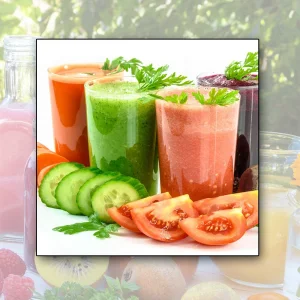
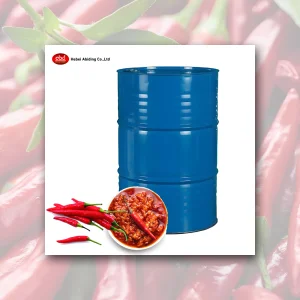
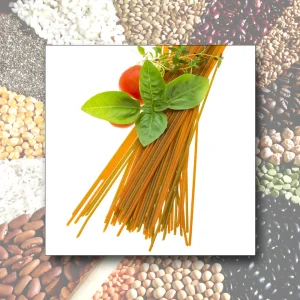
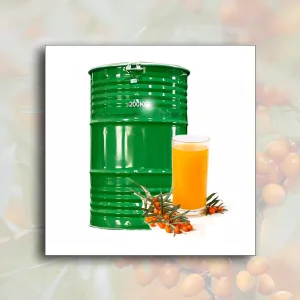
Browse our extended portfolio of processed agricultural products, fruit concentrates, and nutritional powders manufactured under certified GMP conditions.
 Abiding Food