Premium agricultural raw materials for industrial production, certified to meet international food quality and safety requirements.
Within the global B2B food supply chain, organic tomato paste in 220L drums serves as a foundational component for countless industrial food products. At Hebei Abiding Co., Ltd. (established in 2005), we bridge the gap between organic agricultural practice and large-scale manufacturing requirements.
We manage integrated agricultural systems that produce high-dry-matter organic tomatoes. These are processed under vacuum using Italian manufacturing technologies to produce tomato paste with optimal color, viscosity, and chemical stability. Certified to both USDA NOP and EU Organic standards, our drum products represent the clean-label security that modern international brands demand.

Over two decades of excellence in supplying raw organic agricultural ingredients to the world's most demanding food processors.
We own and manage organic-certified farming regions in Xinjiang and Inner Mongolia, China. These locations feature high daylight exposure and large diurnal temperature swings, creating tomatoes with rich lycopene profiles and low natural mold presence.
As a certified EU & NOP organic products supplier with more than 20 years of experience, we have been ranked the largest exporter of organic tomato paste in China for many consecutive years, maintaining consistent compliance across global customs borders.
We are a qualified, certified supplier for Nestlé and other global food corporations. This reflects our commitment to raw-material traceability, social accountability, rigorous pathogen testing, and strict allergen isolation protocols.
Understanding the micro-elements of high-brix organic tomato paste processing: cold break versus hot break parameters.

The processing architecture of organic tomato paste is dictated by the inactivation temperature of internal enzymes, specifically pectin-methylesterase (PME) and polygalacturonase (PG).
Hot Break Processing (HB): Fresh tomatoes are heated rapidly to 95°C-104°C. This denatures the pectin-destroying enzymes, retaining a high concentration of water-binding pectins. The result is a paste with high viscosity (lower Bostwick values: 3.0-5.5cm/30s), perfect for organic ketchup and rich sauces.
Cold Break Processing (CB): Tomatoes are heated to 65°C-75°C. Enzymes break down some pectins, yielding a paste with lower viscosity (higher Bostwick values: 6.0-9.0cm/30s) but a brighter, more natural red color (high a/b ratio) and a fresh flavor profile, suitable for organic juices, soups, and ready meals.
| Specification Parameter | Cold Break (28-30% Brix) | Hot Break (28-30% Brix) | High Brix Concentrate (36-38% Brix) |
|---|---|---|---|
| Brix Range (Refractometer) | 28 - 30% | 28 - 30% | 36 - 38% |
| Bostwick Viscosity (at 12.5% Brix) | 6.0 - 9.0 cm/30 sec | 3.0 - 5.5 cm/30 sec | 2.0 - 4.5 cm/30 sec |
| Color Value (a/b ratio) | Min 2.10 (Bright Red) | Min 1.95 (Deep Dark Red) | Min 2.00 (Highly Concentrated) |
| Lycopene Content | ≥ 50 mg/100g | ≥ 45 mg/100g | ≥ 65 mg/100g |
| pH Level | 4.1 - 4.4 | 4.1 - 4.4 | 4.1 - 4.4 |
| Howard Mould Count (HMC) | ≤ 40% (Max 50% under standard limits) | ≤ 40% | ≤ 40% |
| Packaging Standard | 220L Aseptic Bag in Steel Drums (Net Weight: ~245kg/drum) | ||
How global food conglomerates deploy organic aseptic drum tomato paste across diverse consumer product segments.
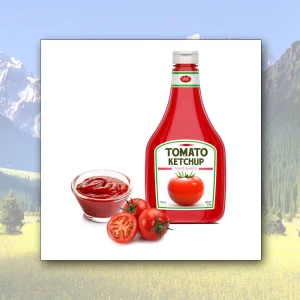
Industrial ketchup, pizza sauce, and marinara productions rely heavily on Hot Break 28-30% organic paste. The high naturally retained pectins provide structure and prevent syneresis (water separation) in final retail containers without requiring stabilizers.
Ready-to-eat meals, soups, and industrial chili use Cold Break pastes. This provides a clean red color and allows the recipe developer to maintain a "clean-label" ingredient declaration: only organic tomatoes, with no chemical food starches added.
For organic tomato juices and vegetable blends, our Cold Break 28-30% paste is diluted back to single-strength juice (typically 5-6% Brix). Low viscosity prevents pulp settling, creating a smooth drinking texture.
Every single batch of organic tomato paste we produce is assigned a specific batch control ID. This number traces the product back to its farm field of origin, the date of harvest, the exact processing conditions, and the lab analysis of the raw materials.
Our quality management system operates under strict HACCP and ISO 22000 structures. Samples are continuously collected at key process steps: incoming raw inspection, post-sorting, post-evaporation, and post-aseptic filling. Heavy metals, pesticide residues, and microbiological parameters are analyzed by independent labs (SGS/Eurofins) to verify full compliance with EU regulations and FDA requirements.
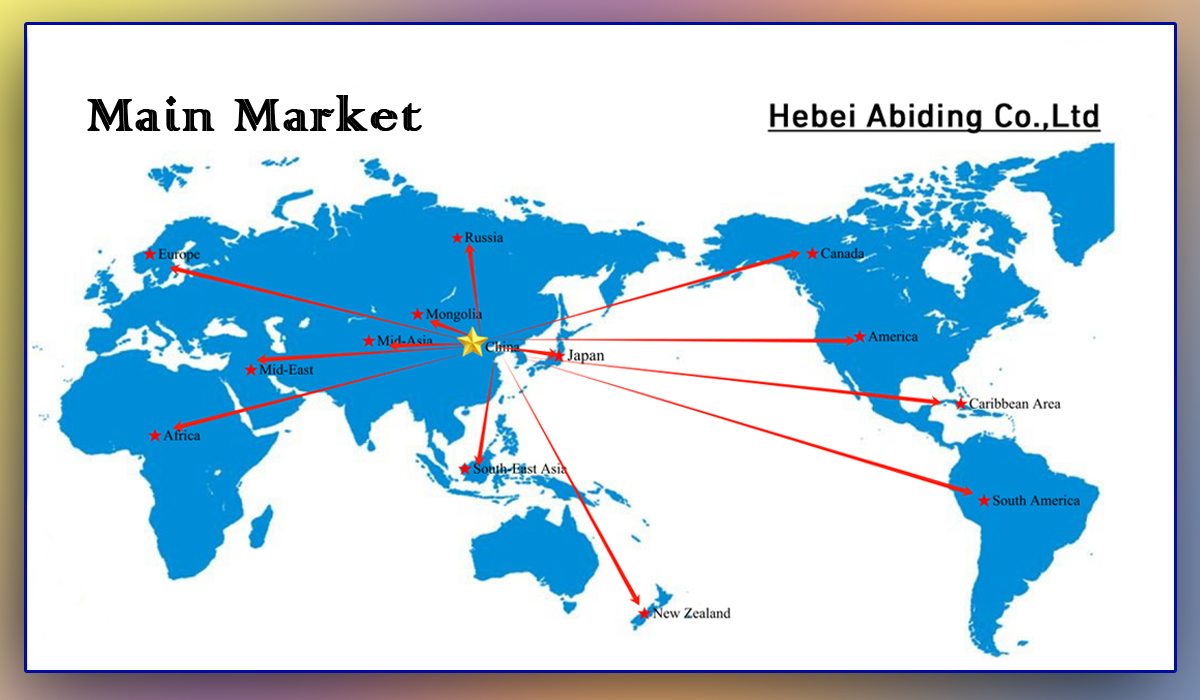
Providing seamless export services, compliance documentation, and logistical support across global ports.
We provide full documentation, including Organic Certificates (NOP/EU Transaction Certificates), Certificate of Analysis (COA), Phytosanitary Certificates, and Packing Lists to prevent customs clearance delays.
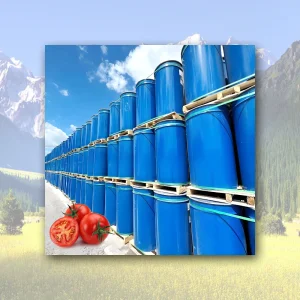
Packed in high-strength 220L aseptic bags within steel drums. Four drums are secured per wooden pallet, wrapped in shrink film for maximum protection during maritime transport.
Our organic production areas are strictly isolated from conventional farms. This isolation prevents cross-drift contamination, ensuring zero pesticide residue detection in lab analyses.
Operating from major Chinese shipping points, we manage logistics directly to key global ports, including Rotterdam, Hamburg, Los Angeles, and Tokyo, with full real-time tracking.
At Hebei Abiding Co., Ltd., we are modernizing our operations to reduce resource consumption while ensuring reliable supply quality. We are implementing smart drip-irrigation systems connected to soil moisture sensors on our organic farms to reduce water use by up to 30%.
Additionally, we are upgrading our steam evaporators to double-effect energy-recovery configurations to reduce carbon emissions during concentration. Our goal is to achieve carbon-neutral production for all organic tomato products by 2030, combining high-quality organic sourcing with environmentally responsible practices.
Key information regarding ordering, shelf-life, shipping containers, and custom specifications.
Our purpose is simple: To provide customers with healthy and safe products, backed by reliable, responsive service. We focus on quality as the foundation for growth, using integrated management and complete quality traceability systems. Through these practices, we aim to deliver products that reflect our commitment to care, quality, and consumer well-being.
Our Objectives: We align our business with environmental protection and public health. By combining industry expertise and sustainable agricultural methods, we work with our partners to build an efficient, environmentally conscious, and trusted global food supply network.

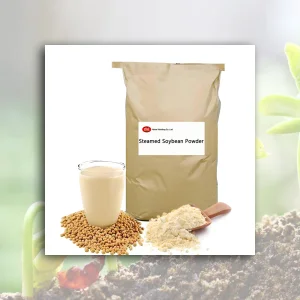
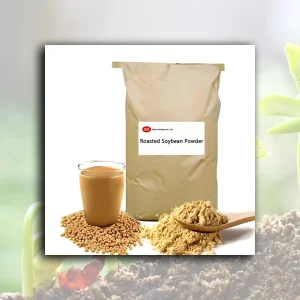
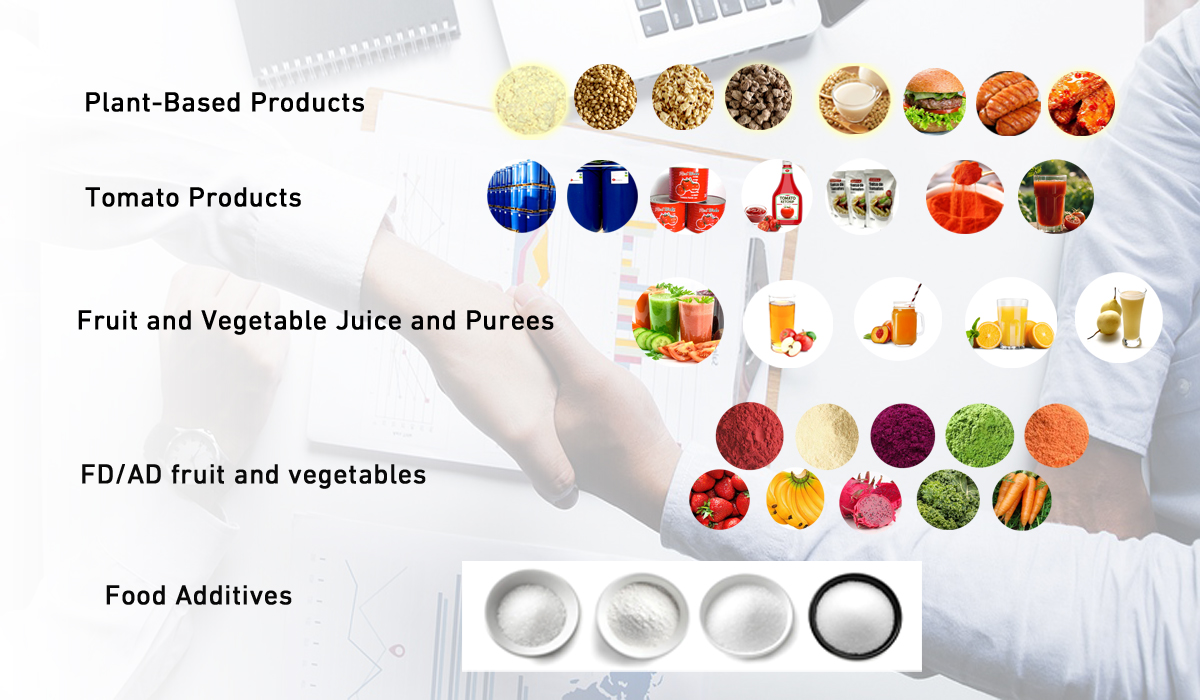
Providing food manufacturers with high-quality vegetable proteins, natural fruit purees, and specialized agricultural ingredients.
 Abiding Food