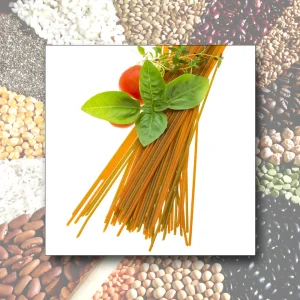
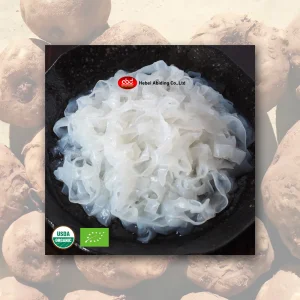
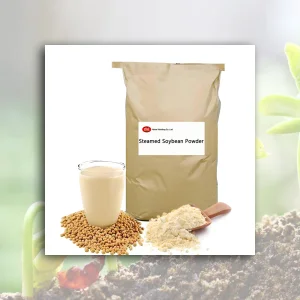
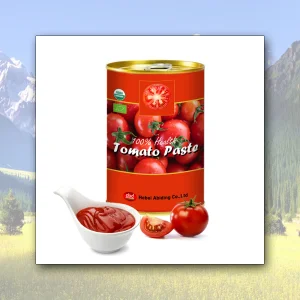
Specially customized raw bases and finished pasta alternatives optimized for Northern European import regulations and nutritional preferences.
A Comprehensive Technical White Paper on Northern European Food Systems, Clean-Label Processing, and Trans-Eurasian Logistics
The global shift towards sustainable, allergen-free, and high-protein food options has converted traditional grain processing industries into sophisticated plant-protein ecosystems. In Northern Europe, particularly Finland, this transition is driven by high regulatory standards, a deep cultural inclination towards eco-conscious consumption, and a growing consumer demand for foods with low glycemic indices, high dietary fiber, and complete protein profiles. This white paper examines the technical pathways, supply chain methodologies, and regulatory environments surrounding the manufacture and exportation of bean pasta, connecting agricultural sources to the strict requirements of Nordic consumer markets.
Finland’s domestic market presents a unique environment for plant-based alternatives. With initiatives led by research centers such as VTT (Technical Research Centre of Finland), there is a strong focus on utilizing local raw materials like faba beans (härkäpapu) and oats. However, scaling up local processing facilities to meet massive commercial demands presents challenges, particularly in balancing high processing costs against competitive market pricing. This creates a strategic demand for global exporters who can deliver bulk ingredients or finished products that comply with strict organic guidelines.
The Finnish consumer places a premium on clean label declarations—demanding products with minimal ingredients, no synthetic binders, and non-GMO configurations. For bean pasta factories, this means standard wheat-processing setups must be retrofitted or replaced with dedicated gluten-free and allergen-monitored facilities, ensuring zero cross-contamination while retaining the cooking performance and mouthfeel of traditional durum wheat pasta.
Manufacturing bean pasta requires precise control over raw material composition and processing parameters. Unlike wheat semolina, which relies on a gluten network for structural cohesion, legume flours (derived from chickpeas, faba beans, soybeans, or lentils) are high in starch and protein but lack elastic gluten proteins. Uncontrolled processing leads to sticky, easily broken pasta with high cooking losses (solubles leaching into the cooking water).
Our facilities employ twin-screw extrusion systems that precisely manage starch gelatinization. By adjusting thermal inputs between 80°C and 130°C, we create a stable starch-protein matrix that mimics the bite of gluten.
The particle size of bean flour must be kept within a strict range (150-250 microns). If the particle size is too coarse, it causes a sandy texture; if it is too fine, it damages the starch, resulting in sticky pasta.
Moisture control is key. A slow, multi-stage drying profile (lasting 4 to 8 hours at low temperatures) prevents cracking and micro-fractures, ensuring the finished pasta remains stable during long-distance shipping.
By optimizing processing, we eliminate the need for binders like xanthan gum, guar gum, or mono- and diglycerides, meeting the strict ingredient preferences of Nordic retail buyers.
Exporting to Finland requires strict compliance with both European Union food safety laws and national guidelines enforced by Ruokavirasto (the Finnish Food Authority). Any factory targeting this market must manage several critical steps:
Organic Integrity: To label products as organic in Finland, manufacturers must hold certifications equivalent to EU Regulations (specifically Regulation (EU) 2018/848). Our organic supply chain is fully certified to meet both EU and NOP standards, guaranteeing complete traceability from organic legume fields to the packaged product.
Contaminant Controls: Testing must prove the absence of heavy metal residues (Lead, Cadmium), pesticide residues (specifically Glyphosate, which is closely monitored in the Nordics), and mycotoxins (Ochratoxin A, Aflatoxins) that can develop in beans if they are stored incorrectly.
Allergen Management: Because soybean, lupin, and wheat (gluten) are recognized as major allergens in the EU, factories processing multiple ingredients must use dedicated manufacturing lines. They also need to implement strict CIP (Clean-in-Place) validation protocols to prevent cross-contamination.
The plant-based sector is moving beyond basic alternatives toward optimized functional nutrition. The timeline below highlights the key focus areas for the next generation of bean pasta manufacturing and export operations:
Developing low-vicine faba beans and utilizing enzymatic processing to remove the "earthy/beany" off-flavors from raw beans without using chemical solvents.
Combining faba beans, peas, and high-protein oat fractions to create a pasta with a complete amino acid profile (PDCAAS score of 1.0).
Using advanced cold-forming systems to save energy and protect sensitive vitamins, minerals, and colors in vegetable-enriched bean pastas.
Adopting biodegradable packaging materials and choosing low-emission transport options to minimize the overall environmental footprint for Nordic distribution.
Hebei Abiding Co., Ltd., established in 2005, is a professional supplier of foods and food ingredients in China. We have one perfect mechanism including raw materials supplying, production, sales, after-sales service to ensure to supply the qualified products to the customers. Some of our core products we are handling are vegetable proteins, fruit and vegetable juice and purees, FD/AD fruit and vegetables, plant-based products and various food ingredients and additives.
As a certified EU & NOP organic products supplier with more than 20 years experiences in the organic food fields, we have been ranked the largest exporter of the organic tomato paste in China for many years. We have our own organic farms and processing facilities in different provinces in China to ensure that our products strictly comply with organic standards.
It is well known that more and more people care to take the healthy, safe and nutritious foods. The foods with the high protein, high fiber, low calorie, Vegan, GMO free, gluten free and even Keto friendly are more popular. So above requirements bring us to one new world. With our good experience in the organic fields, we also successfully explore the products with such special characters to meet the customer requests. We have the confidence that this field would be one wide potential market full of chance.
We have established long-term and stable business cooperation with many customers around the world and have won the good reputation there. It is our honor to be one qualified supplier certified by Nestle and other world famous companies. We would like to continue to provide our best service to the customers to share the pleasure in the cooperation.
Our purpose: to provide customers with healthy and safe products, to provide customers with the most intimate service. Survival by quality, development by characteristics, so as to form a fast and efficient management team and quality traceability system. To achieve the purpose of "character, food, conscience, love".
Our Objectives: to synchronize with environmental protection, with health, gather wisdom, seek common development, and build an excellent enterprise.
Important technical and logistical details for food manufacturers, distributors, and retail buyers.
Explore our wider range of certified food ingredients, organic pastes, and plant protein products shipped worldwide.
 Abiding Food