Direct factory sourcing with certified quality control for global nutrition brands
In the highly competitive dietary supplement market, sourcing high-potency ingredients like Lycopene requires balancing raw ingredient economics with strict pharmaceutical and food safety standards. Global procurement officers often search for "cheap Lycopene," but in the industrial context, "cheap" must mean cost-effective optimization—achieving the lowest cost per active unit of antioxidant without sacrificing trace stability, purity, or regulatory compliance.
Lycopene is a lipid-soluble carotenoid and a potent antioxidant that plays a critical role in human health, specifically targeting cardiovascular stability, cellular defense, and prostate function. As dietary supplement factories scale up production of softgels, tablets, and functional foods, establishing a reliable supply line with an experienced Chinese manufacturer and exporter is essential to maintaining profitability and regulatory approval.
China has established itself as the global epicenter for botanical extractions. This dominant position is supported by robust agricultural supply chains, advanced extraction facilities, and integrated logistics infrastructure.
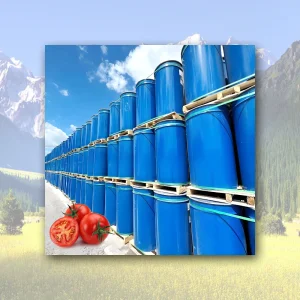
Our raw material sourcing benefits from vast organic tomato cultivation zones in provinces like Xinjiang and Inner Mongolia. Due to long hours of intense sunlight and significant temperature swings, these regions produce tomatoes with exceptionally high natural lycopene content, providing a reliable and low-cost raw material supply chain.
Chinese factories utilize state-of-the-art supercritical CO2 extraction and eco-friendly solvent crystallization. These methods achieve maximum yield and purity up to 98% while keeping solvent residues far below the stringent thresholds set by USP and EU regulations.
By integrating raw tomato processing (such as tomato paste production) with high-value secondary extraction, factories can repurpose agricultural byproducts like tomato skins and seeds. This circular economy model reduces extraction costs, allowing us to pass savings on to global buyers.
The nutraceutical landscape is shifting from simple ingredient supplementation to advanced, bioavailable formulations. Brand owners and manufacturers should keep several key trends in mind:
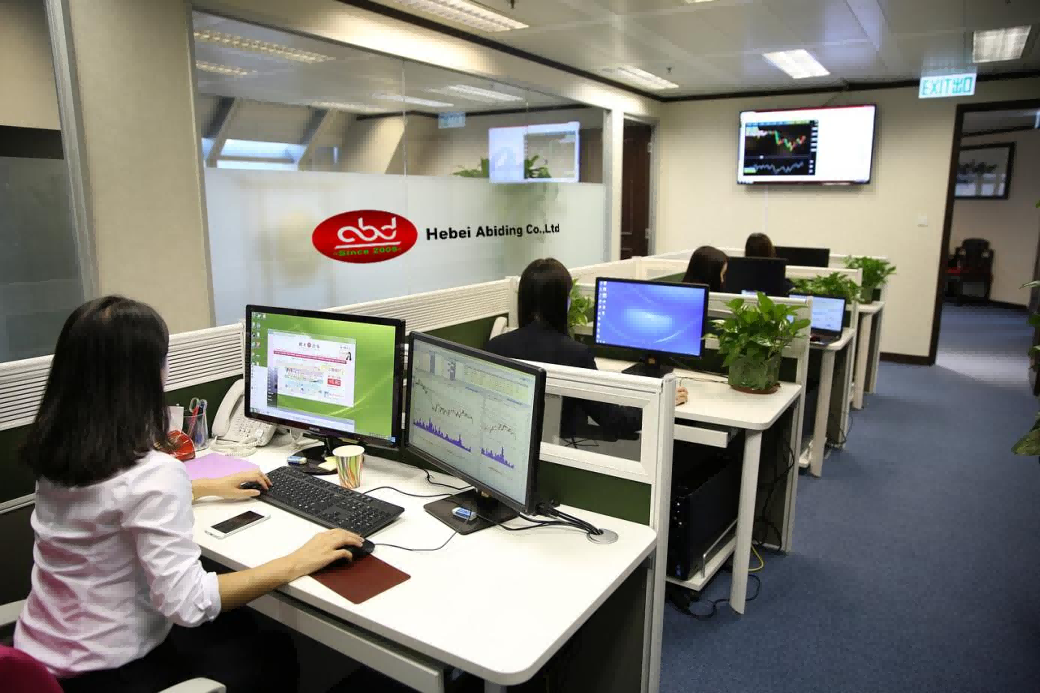
Established in 2005, Hebei Abiding Co., Ltd. is a professional supplier of foods and food ingredients in China. Over nearly two decades, we have built a comprehensive mechanism spanning raw material supply, advanced production, domestic and international sales, and dedicated after-sales service, ensuring we consistently deliver qualified products to our customers worldwide.
As a certified EU & NOP organic products supplier with more than 20 years of experience in the organic food fields, we have been ranked the largest exporter of organic tomato paste in China for many years. We operate our own organic farms and processing facilities in different provinces across China to ensure our products strictly comply with international organic standards.
Our core product line includes plant proteins, fruit and vegetable juice and purees, FD/AD fruit and vegetables, plant-based products, and various food ingredients and additives. It is our honor to be a qualified supplier certified by Nestle and other world-famous brands. We continue to offer reliable service to help our customers grow.
Lycopene cannot be integrated as a one-size-fits-all raw powder. Depending on the final delivery system, dietary supplement factories must choose the appropriate physical form:
Ideal for softgel encapsulation. The lycopene is suspended in natural carrier oils (such as sunflower oil or soybean oil) to maximize stability and bioavailability in lipid-based capsule formulations.
Optimized for functional beverages, instant drink mixes, and powder packets. Specially processed to dissolve evenly in cold liquids without clumping or separation.
Tailored for tablets and hard-shell capsules. These beadlets protect the active lycopene from high pressure during tableting and guard against degradation from oxygen exposure.
Our commitment to excellence backed by verifiable compliance standards
Purchasing Lycopene in bulk requires navigating complex regulatory requirements across different global markets. Sourcing departments need to evaluate several key parameters:
Expert answers regarding quality, safety, and supply chains for industrial Lycopene procurement
Complementary products from our verified manufacturing and exporting lines
 Abiding Food