High-purity organic ingredients, plant-based proteins, and premium food concentrates sourced directly from certified agricultural facilities.
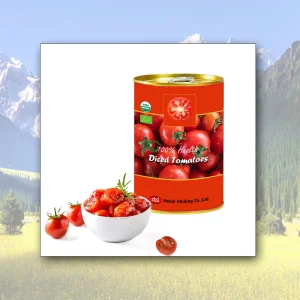
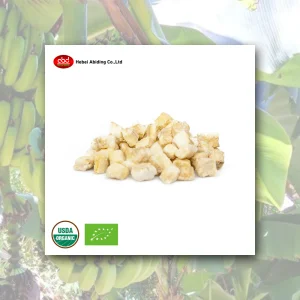

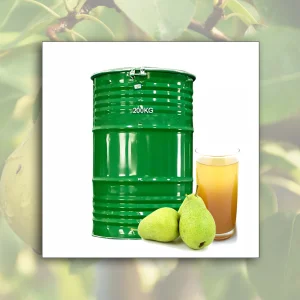
Understanding market dynamics, agricultural regionality, and the technical definition of "Petite Diced" tomatoes.
In the commercial food manufacturing matrix, petite diced tomatoes are defined by precise mechanical cutting boundaries. While standard diced tomatoes generally range from 1/2 inch (approx. 12.7 mm) to 5/8 inch (approx. 15.8 mm), petite diced specifications demand exact cuts of 1/4 inch (6.3 mm) to 3/8 inch (9.5 mm). This sizing provides a significantly higher surface-area-to-volume ratio, resulting in accelerated breakdown and homogenous distribution in heat-dependent industrial culinary mixtures.
For high-throughput manufacturers, this geometric uniformity translates to reduced cook-down times, more uniform viscosity, and an improved visual texture. It is particularly valued in high-speed canning, frozen ready-meal assembly, and bulk sauce formulation.
Tomato processing relies heavily on raw crop proximity, low seasonal harvesting overheads, and immediate post-harvest sorting capacity. The global market is geographically segmented into three primary cultivation and processing corridors: California’s Central Valley (USA), the Mediterranean basin (Italy, Spain, Turkey), and the high-yield agricultural belts of Northern China (Xinjiang and Inner Mongolia).
Northern Chinese regions enjoy a unique dry climate with over 3,000 annual sunlight hours and large daily temperature fluctuations. These conditions prevent bacterial disease naturally while driving up soluble solids (Brix levels) and lycopene content. Leveraging these regional advantages allows Chinese manufacturers to offer highly competitive pricing on industrial-scale shipments without compromising raw structural integrity.
How state-of-the-art automation and strict quality control guarantee structural integrity and microbiological safety.
Incoming raw tomatoes undergo automated optoelectronic sorting using high-frequency infrared and color-spectrum cameras. This removes defective fruits based on color, size, and organic blemishes. Peeling is done using pressurized steam chambers, which loosens the skin without using chemical lye, preserving the exterior pulp integrity.
The skinless tomatoes pass through multi-stage high-speed rotary dicers configured to exactly 1/4" or 3/8". To prevent mushiness during retort and subsequent shelf life, a food-grade calcium firming agent (Calcium Chloride, CaCl₂) is added at regulated ratios (<0.045% by weight) to cross-link the pectin chains and preserve firmness.
The diced product is rapidly heated to pasteurization temperature, held for 30–90 seconds (preserving color and nutrient profiles), and immediately cooled. Filling is executed within sterile nitrogen-blanketed environments into multi-layer barrier aseptic bulk bags placed in steel drums or intermediate bulk containers (IBCs).
Core Technical Specification Parameters: Brix: 6.0% - 8.0% (Natural Single Strength) | pH: 4.10 - 4.40 (Acidified with Citric Acid if needed) | Drained Weight: ≥60% of total net mass | Color a/b value: ≥1.90 (indicating intense, rich natural redness).
Pioneering professional supply chains and manufacturing frameworks since 2005.
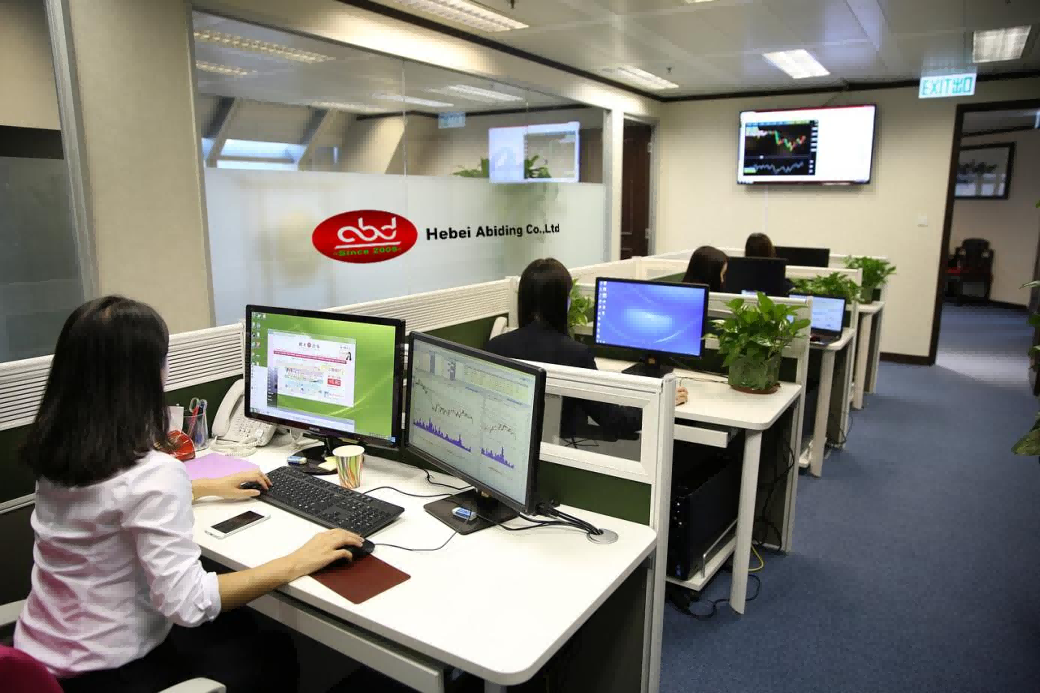
Hebei Abiding Co., Ltd., established in 2005, is a premier supplier of foods and food ingredients in China. We operate a complete supply chain mechanism including raw materials supply, production, sales, and after-sales service to ensure the delivery of qualified products to all customers. Some of our core handled products include vegetable proteins, fruit and vegetable juice and purees, FD/AD fruit and vegetables, plant-based products, and various food ingredients and additives.
As a certified EU & NOP organic products supplier with more than 20 years of experience in the organic food fields, we have been ranked as the largest exporter of organic tomato paste in China for many years. We maintain our own organic farms and processing facilities in different provinces in China to ensure that our products strictly comply with organic standards.

Our organic farms and processing plants operate in diverse geographic areas of China, offering complete control over crop sourcing, pesticide-free management, and full EU & NOP Organic certification pathways.
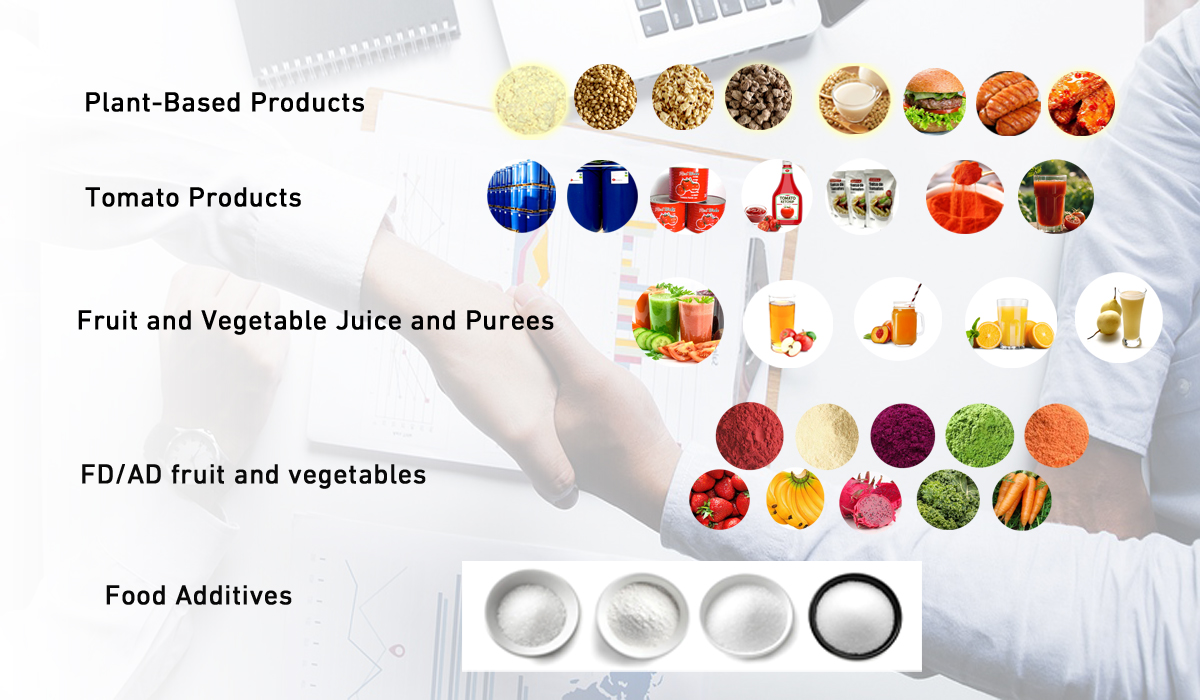
In step with current consumer demands for high-protein, high-fiber, low-calorie, Vegan, GMO-free, gluten-free, and Keto-friendly foods, we successfully explore and provide specialized clean-label food ingredients.
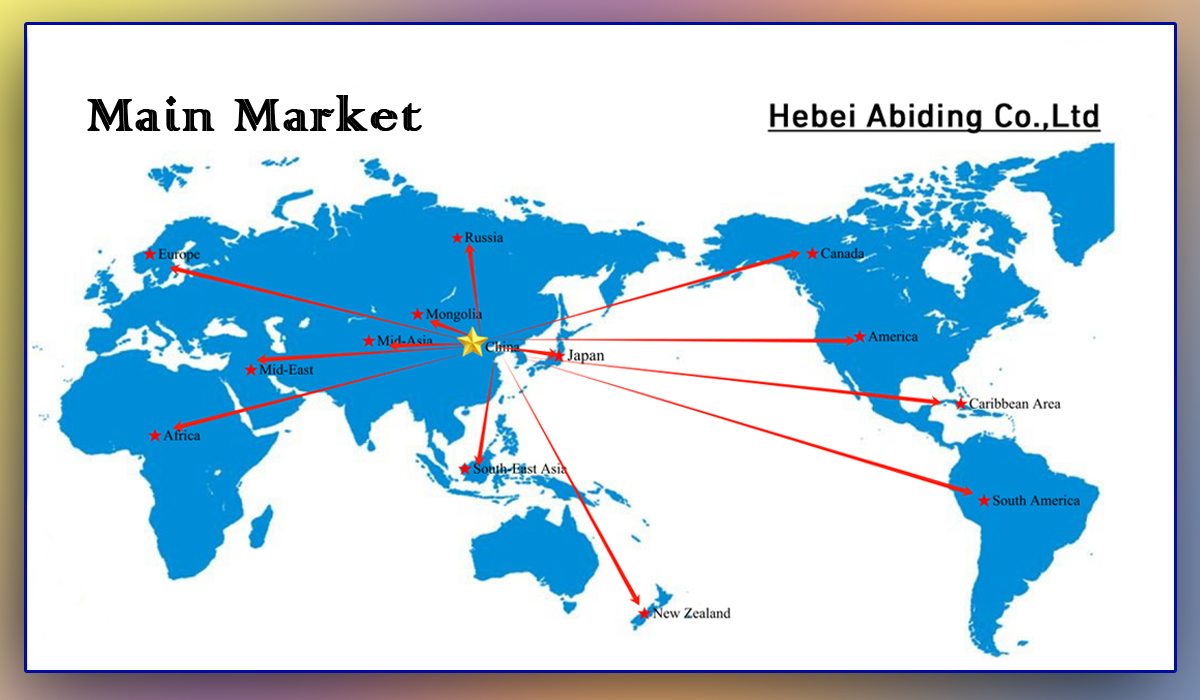
We hold long-term, stable cooperation with global clients. We are proud to be a qualified certified supplier to Nestle and other world-famous corporations, representing our commitment to premium service and quality.

Our Purpose: To provide customers with healthy and safe products, along with supportive, attentive service. We survive by quality and develop through unique characteristics, forming a fast, efficient management team and quality traceability system. We aim to fulfill the purpose of "character, food, conscience, love".
Our Objectives: To synchronize with environmental protection and health initiatives, gather agricultural wisdom, seek common industrial development, and build an excellent enterprise.
From local food service chains to global ready-meal producers, how we handle large-scale food logistics.
Petite diced tomatoes are critical in frozen dinners and microwaveable convenience meals. They maintain color and firmness throughout reheating cycles while dispersing moisture evenly to prevent watering down sauces during distribution.
Our diced tomatoes undergo precise thermal shock processing to preserve pectin layers. This ensures cold-blended salsas and dips maintain their body without separating, reducing the need for artificial stabilizers or thickeners.
We pack our diced tomatoes in high-barrier aseptic bags housed in steel drums or wooden bins. This preserves flavor and microbiological purity for up to 24 months in ambient storage, reducing overall cold chain energy footprints.
At Hebei Abiding Co., Ltd., we define "cheap" through the lens of supply chain optimization. By utilizing direct contract farming model in high-yield, low-cost regions, integrating processing plants within 50 miles of harvest sites, and using automated thermodynamic evaporators, we minimize waste and energy consumption. This structural efficiency allows us to deliver wholesale competitive pricing to industrial food buyers without compromising on global quality standards.
Essential insights for procurement managers, food technologists, and supply chain coordinators.
Our processing lines use Urschel-type rotary dicers configured with high-tensile circular knives. Standard petite dicing uses a 3/8" x 3/8" (9.5mm x 9.5mm) or 1/4" x 1/4" (6.3mm x 6.3mm) grid template. Sieve analysis checks are conducted hourly on the production line to ensure over 90% of the diced units match the dimensional standard, minimizing irregular cuts and crushed pulp.
We use a precise dosing system to apply Calcium Chloride ($CaCl_2$) or Calcium Lactate at levels not exceeding 0.045% of the total mass. The calcium ions bind with the tomatoes' natural pectin to form calcium pectate. This maintains structural integrity during thermal pasteurization, long ocean shipments, and industrial cooking.
Our aseptically processed petite diced tomatoes have a shelf life of 24 months when stored in unopened barrier bags at ambient temperatures (under 25°C). Avoid freezing or temperatures above 38°C to prevent degradation of flavor, texture, and color.
Yes, Hebei Abiding Co., Ltd. is a certified supplier of EU Organic and NOP Organic (USDA) products. Our organic farms and processing facilities undergo annual inspections and certifications by authorized third-party bodies, ensuring complete traceability from seed selection to shipment.
Cold Break (CB) processing heats the raw tomatoes to 65–75°C, preserving natural enzyme activity. This keeps the juices thin, making CB ideal for clean, pourable diced tomatoes in juice. Hot Break (HB) heats raw tomatoes to 85–100°C, deactivating pectinase enzymes immediately. This yields a thicker viscosity, making HB better suited for sauces, ketchups, and purees.
We use multi-stage washing with chlorinated water flumes, followed by optical sorters and hand-sorting lines. This process removes mold-damaged or split fruits, consistently keeping our Howard Mould Count (HMC) well below the regulatory limits set by the FDA and European Commission (typically under 40% positive fields).
Our standard MOQ for wholesale industrial shipments is one 20-foot Full Container Load (FCL). A 20ft container can hold approximately 80 aseptic steel drums (each containing 220 liters / 240kg net weight), palletized and secured for marine transport.
Yes, our laboratories can adjust the acidification parameters during processing. We can supply diced tomatoes in their natural juice (pH 4.25 - 4.45) or add citric acid to meet specific manufacturing standards, typically aiming for a target pH of 4.10 - 4.25 for safety and stability.
Every batch of raw tomatoes undergoes testing at our internal labs and is verified by third-party testing agencies (like SGS or Eurofins). We screen for over 200 common agricultural pesticide residues and heavy metals (lead, cadmium, arsenic) to ensure compliance with strict FDA and EU safety limits.
Absolutely. Our petite diced tomatoes are 100% natural, GMO-free, gluten-free, vegan, and keto-friendly. We do not use chemical preservatives, artificial colors, or starch fillers, making them ideal for clean-label ingredient formulations.
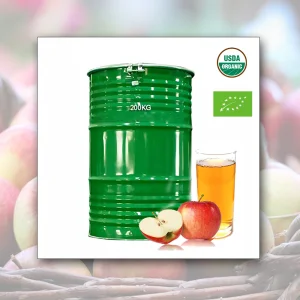
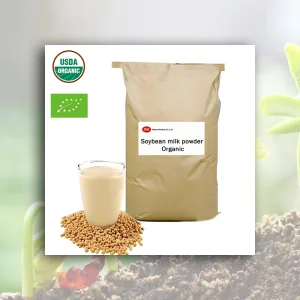
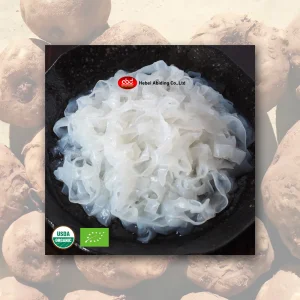
High-purity organic juices, fruit concentrates, soybean powders, and plant-based pastas developed for clean-label food brands.

 Abiding Food