Direct factory sourcing with certified EU & NOP organic supply standards, helping clean-label and vegan brands scale efficiently.
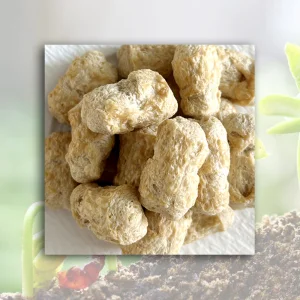
In the rapidly evolving landscape of functional food ingredients, Textured Soya Fiber (TSF) has emerged as a cornerstone for cost-optimization and structural enhancement. Globally, the shift toward plant-based nutrition, clean labels, and sustainable manufacturing processes is driving significant growth in the demand for dietary fibers derived from legumes. TSF represents a highly specialized category where high-quality soy fibers are processed using thermal-mechanical shear (extrusion) to establish a distinct, fibrous network that mirrors the physical texture of animal muscle tissue.
Historically, soy protein isolates and concentrates dominated the plant-based sector. However, food scientists and meat processors have recognized the unique structural and moisture-retaining characteristics that soya fibers bring to the table. By leveraging textured soya fiber, commercial food manufacturers can optimize formulation costs without sacrificing the tactile chewiness, tenderness, or mouthfeel of the final product.
Geographically, APAC remains the dominant production and export hub for high-yield, cost-effective soya fiber processing, driven by advanced agricultural infrastructures and mature logistics corridors. In North America and Europe, stringent regulatory frameworks and consumer demand for non-GMO, clean-label alternatives require manufacturers to collaborate with certified suppliers who can provide complete supply-chain traceability. Consequently, partners like Hebei Abiding Co., Ltd. bridge this gap by offering low-cost production structures coupled with robust EU and NOP organic certifications.
Why large-scale food brands trust our specialized production lines and structural technology.
Utilizing state-of-the-art twin-screw extrusion systems to precisely align plant proteins and dietary fibers for optimal shear strength, chewiness, and density.
Certified EU & NOP organic options. Our systems comply with international GFSI benchmarks, ensuring zero contaminant carry-over and allergen traceability.
Drastically reduces drip loss in meat formulas and provides structure in meat alternatives by absorbing up to 4 times its weight in water and binding lipids.
Understanding the distinction between traditional Textured Vegetable Protein (TVP) and Textured Soya Fiber (TSF) is critical for recipe R&D. While traditional TVP focuses primarily on delivering raw protein matrices (usually containing 50% to 70% crude protein), Textured Soya Fiber integrates a complex network of cell-wall structural carbohydrates (hemicellulose, cellulose, and pectin) along with soy proteins.
During the extrusion process, the thermal-mechanical action within the barrel denatures the globulin proteins (glycinin and beta-conglycinin) and expands the fiber fractions. The resulting product features an open, porous structure with high capillarity. This physical arrangement allows the fiber to act as a physical sponge, capturing water molecules and holding them securely during high-temperature retort processing, pasteurization, or frying.
| Analytical Parameter | Typical Value (Textured Soya Fiber) | Primary Industrial Benefit |
|---|---|---|
| Protein Content (Dry Basis) | 25% - 45% | Provides structural integrity and amino acid baseline. |
| Dietary Fiber Content | 35% - 50% | Improves digestion profile, water absorption, and clean-label nutritional values. |
| Water Holding Capacity (WHC) | 1:3.0 – 1:4.5 | Minimizes cooking losses, maximizes finished product yield. |
| Fat Binding Capacity | 1:1.5 – 1:2.5 | Stabilizes fat emulsions, preventing fat separation during heat treatment. |
| Hydration Velocity | < 15 minutes (ambient temp) | Saves processing time in industrial batch mixers. |
From a functional standpoint, the higher dietary fiber fraction in TSF provides a smoother chew compared to the rubbery resilience sometimes found in high-protein soy isolates. This makes TSF highly desirable in applications requiring a softer, more fibrous "stringy" bite, such as fish patties, crab cakes, chicken nugget fillings, and premium pet foods.
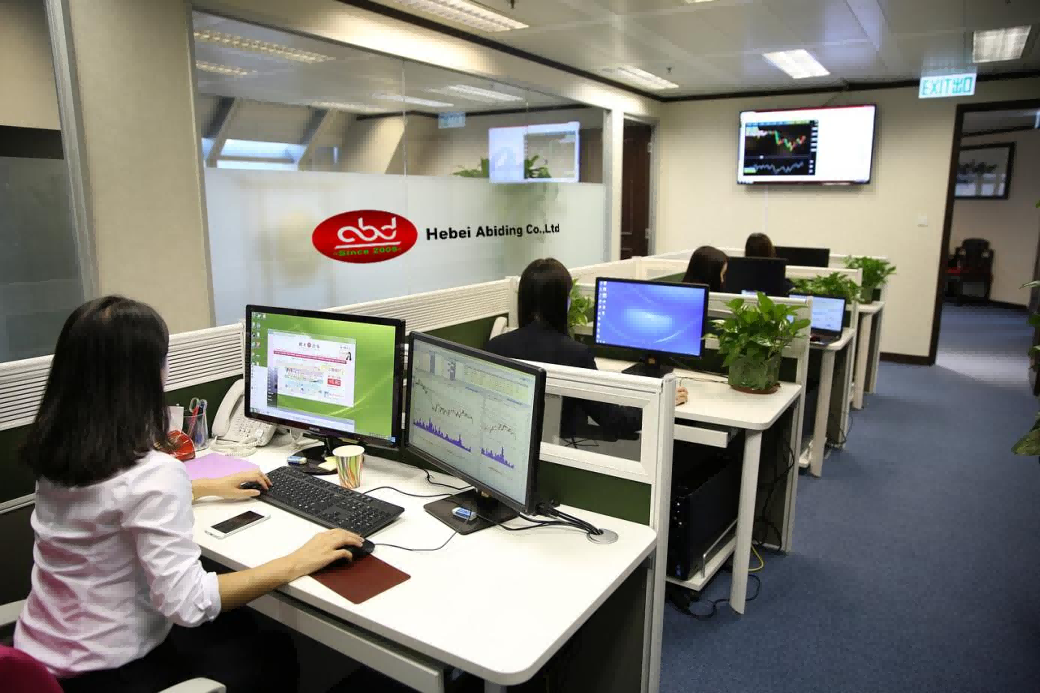
Established in 2005, Hebei Abiding Co., Ltd. has spent over two decades developing a reputation as a leading manufacturer and exporter of organic foods and food ingredients in China. Our integrated business model spans raw material cultivation, processing, export logistics, and after-sales service, ensuring that our customers receive consistent, high-quality ingredients every time.
As a certified EU & NOP organic supplier, we operate organic farms and advanced processing plants across multiple provinces in China. We take pride in maintaining strict compliance with international food standards. Our commitment to quality has earned us partnerships with global food giants, including Nestle and other market-leading brands.
Depending on regional market requirements and processing setups, Textured Soya Fiber can be tailored to various particle sizes, shapes, and hydration rates. Below, we examine the primary commercial applications where our plant fibers deliver high performance.
To achieve the best results in commercial food processing, correct hydration is key. We recommend using ambient-temperature water (15°C to 25°C) to hydrate the fiber in a high-speed ribbon blender or vacuum tumbler. The typical hydration cycle is completed in 10 to 15 minutes, depending on the particle size.
Once hydrated, the fiber can be incorporated directly into the meat emulsion or combined with binding agents (like methylcellulose or transglutaminase) to build plant-based food structures. TSF is also highly heat-stable, allowing it to withstand high shear forces in vacuum cutters without breaking down into a paste.
The plant-based food industry is shifting toward simpler, clean-label ingredient decks. Consumers are increasingly avoiding chemical additives, synthetic emulsifiers, and overly processed proteins. Soya fiber aligns perfectly with this trend, acting as a clean, functional alternative to chemically modified starches and gums.
Our R&D department is focused on several key technological areas:
Through continuous investment in twin-screw technology and close relationships with raw material growers, Hebei Abiding Co., Ltd. ensures a steady, low-cost supply of functional soya fiber for buyers worldwide. Our modern quality control labs monitor key criteria, such as heavy metal concentration, pesticide residues, and microbiological purity, assuring a safe, high-quality product for our global partners.
Technical answers to help food technologists and purchasing managers make informed decisions.
Explore our diverse range of high-quality organic juices, plant milks, and specialized food additives.
 Abiding Food