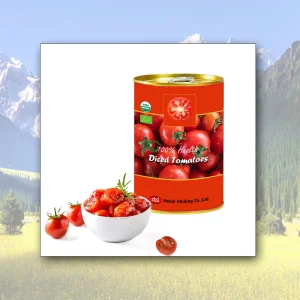
In the global food processing industry, tomato paste is categorized into two main processing technologies: Hot Break (HB) and Cold Break (CB). While Hot Break is designed for high viscosity applications, Cold Break processing represents the pinnacle of natural flavor preservation, vibrant red color retention, and chemical stability. By heating the freshly crushed tomatoes to only 60°C – 65°C, the natural pectin-breaking enzymes (polygalacturonase and pectin methylesterase) are allowed to partially break down the pectins, resulting in a product with low viscosity but highly concentrated lycopene and intact volatile aromatic compounds.
For industrial food formulation companies, choosing high-quality Cold Break tomato paste (ranging from 28-30% to 36-38% Brix) is a strategic decision. It allows for effortless dilution back into tomato juices, rich ketchup formulations, dynamic pizza sauces, and ready-to-eat culinary solutions. As a leading manufacturer, we leverage state-of-the-art multi-stage vacuum evaporation systems that minimize heat damage, preserving the raw organoleptic characteristics of the fruit while meeting rigorous microbiological standards.
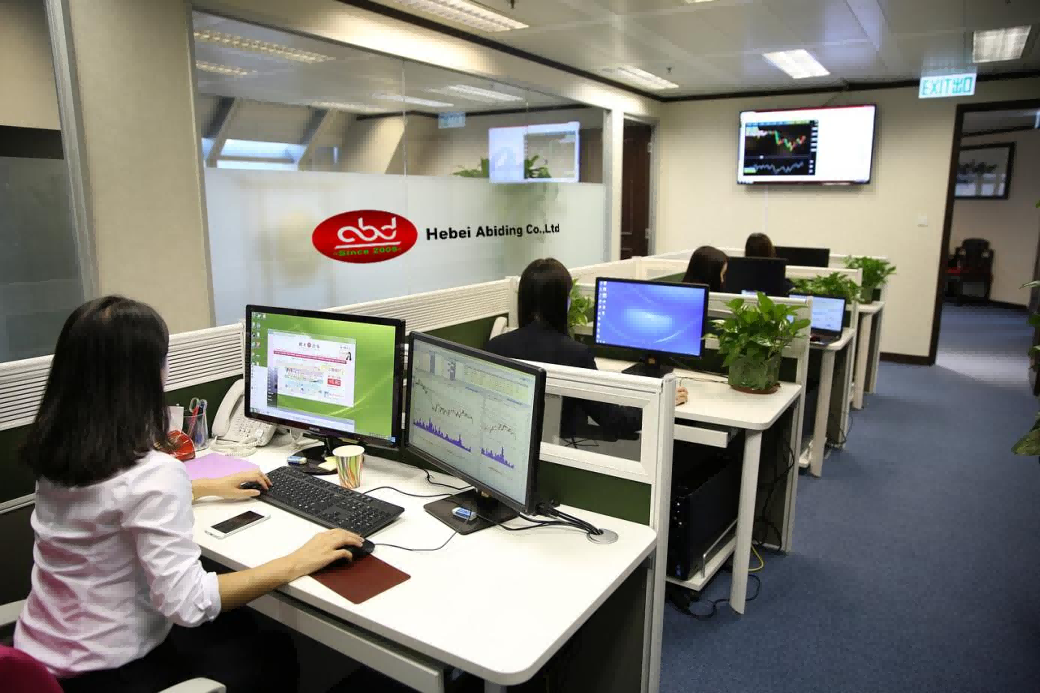
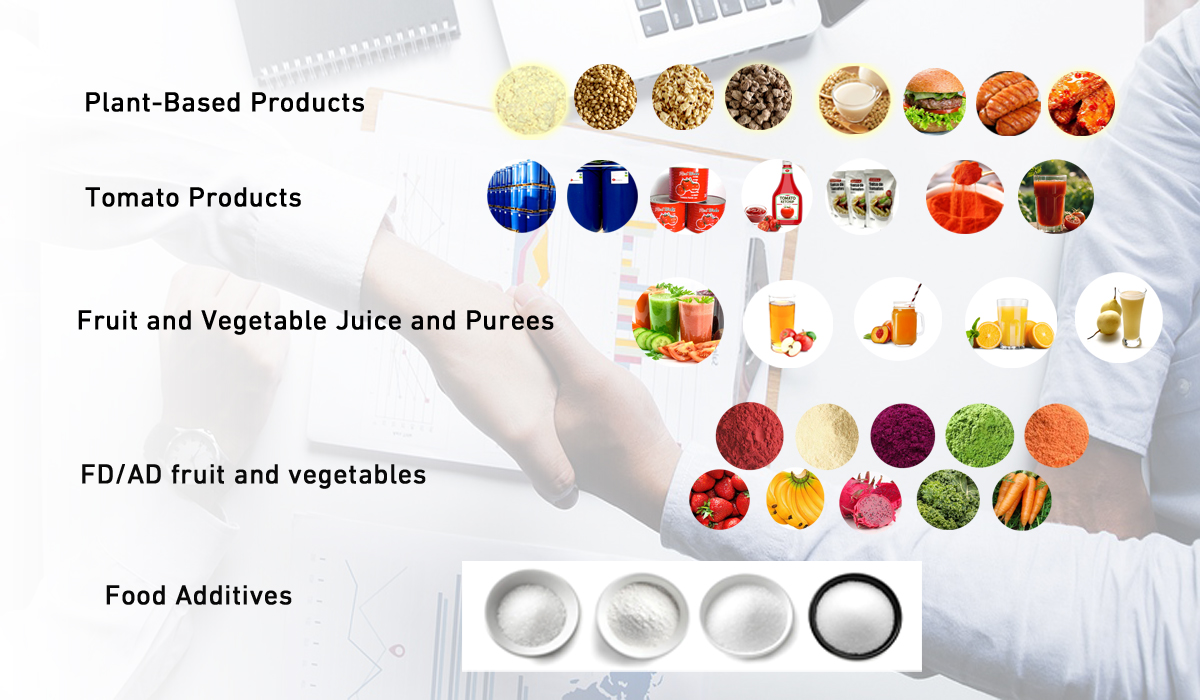
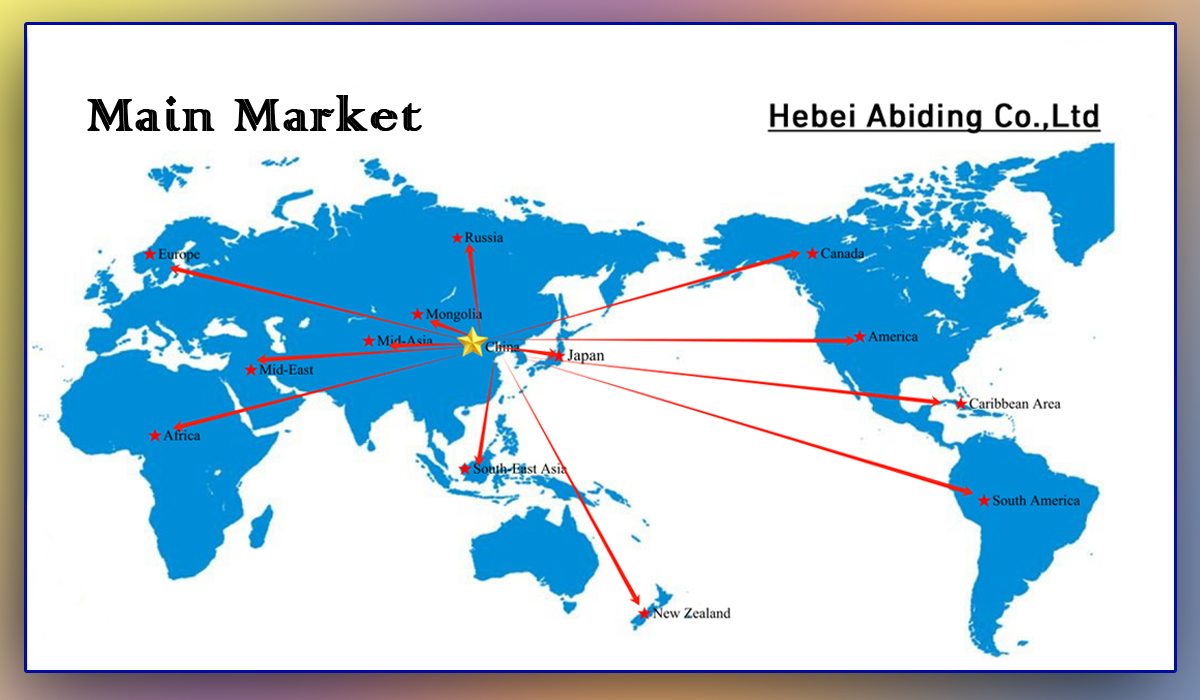
Hebei Abiding Co., Ltd. established in 2005 is a professional supplier of foods and food ingredients in China. We have one perfect mechanism including raw materials supplying, production, sales, after-sales service to ensure to supply the qualified products to the customers. Some of our core products we are handling are vegetable proteins, fruit and vegetable juice and purees, FD/AD fruit and vegetables, plant-based products and various food ingredients and additives.
As a certified EU & NOP organic products supplier with more than 20 years experiences in the organic food fields, we have been ranked the largest exporter of the organic tomato paste in China for many years.
We have our own organic farms and processing facilities in different provinces in China to ensure that our products strictly comply with organic standards, maintaining field-to-drum visibility.
It is our honor to be one qualified supplier certified by Nestle and other world famous companies. We would like to continue to provide our best service to the customers to share the pleasure in the cooperation.
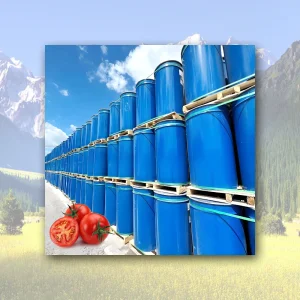
The vast majority of our premium tomato processing occurs in regions of China renowned for optimal crop conditions, such as Xinjiang and Inner Mongolia. These regions sit at a latitude that receives between 15 to 16 hours of daily sunshine during the peak summer growing season, coupled with a wide temperature variation between day and night (often exceeding 20°C). This unique climate limits pest populations naturally, reducing the need for chemical interventions, and naturally boosts the accumulation of dry soluble solids, sugars, and organic acids within the fruit.
Irrigated by mineral-rich melted glacier water from adjacent mountain ranges, our tomato crops feature exceptional skin thickness and seed integrity. When processed through our modern production lines, this yields a Cold Break paste with:

It is well known that more and more people care to take the healthy, safe and nutritious foods. The foods with the high protein, high fiber, low calorie, Vegan, GMO free, gluten free and even Keto friendly are more popular. So above requirements bring us to one new world. With our good experience in the organic fields, we also successfully explore the products with such special characters to meet the customer requests. We have the confidence that this field would be one wide potential market full of chance.
To align with these shifting consumer patterns, our Cold Break Tomato Paste is processed under continuous computerized control to guarantee the following structural parameters:
| Parameters | Cold Break 28-30% Brix | Cold Break 36-38% Brix |
|---|---|---|
| Bostwick Viscosity | 7.0 - 9.0 cm / 30 sec (at 12.5% Brix) | 7.0 - 10.0 cm / 30 sec (at 12.5% Brix) |
| Lycopene | ≥ 50 mg / 100g | ≥ 65 mg / 100g |
| Color (A/B Ratio) | ≥ 2.10 | ≥ 2.15 |
| Acidity (as Citric Acid) | 1.5% - 2.2% | 1.8% - 2.5% |
| H.M.C. (Howard Mold Count) | ≤ 40% | ≤ 40% |
At Hebei Abiding Co., Ltd., we serve leading global entities by resolving supply chain challenges. International buyers often face issues with product consistency, heavy metal margins, pesticide residue control, and logistical gridlocks. We mitigate these risks with our state-of-the-art testing equipment (including HPLC and ICP-MS testing) to ensure compliance with the most stringent European Food Safety Authority (EFSA) and FDA limits.
“We have established long-term and stable business cooperation with many customers around the world and have won the good reputation there. It is our honor to be one qualified supplier certified by Nestle and other world famous companies. We would like to continue to provide our best service to the customers to share the pleasure in the cooperation.”
Our solutions include tailored Brix specifications, adjustable Bostwick ranges, custom blending options, and multi-facility warehousing that guarantees reliable shipping even during peak export seasons.
Modern factories are transitioning from manual inspections to optoelectronic sortation. Utilizing multi-spectrum cameras, our production lines immediately discard green or damaged fruits, lowering HMC and standardizing the natural red pigment profile.
Environmental footprint guidelines demand reduced steam and energy consumption. Modern triple-effect forced circulation evaporators recycle heat energy, lowering overall factory emissions by 25% while preserving tomato molecules.
Large multinational food brands require secure traceability down to the specific county and harvest date. Digital tracking platforms permit quick QR access to pesticide reports, soil metrics, and organic certifications.
Our purpose: to provide customers with healthy and safe products, to provide customers with the most intimate service. Survival by quality, development by characteristics, so as to form a fast and efficient management team and quality traceability system. To achieve the purpose of "character, food, conscience, love".
Our Objectives: to synchronize with environmental protection, with health, gather wisdom, seek common development, and build an excellent enterprise.
We actively partner with regional agricultural cooperatives to provide stable income streams for farmers, while implementing strict water-recycling and waste-management protocols within our factories to preserve local water basins.

 Abiding Food