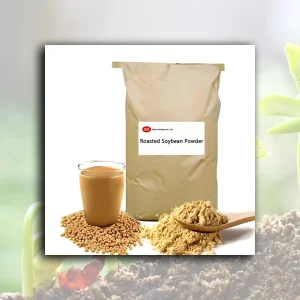
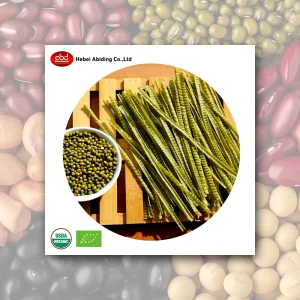
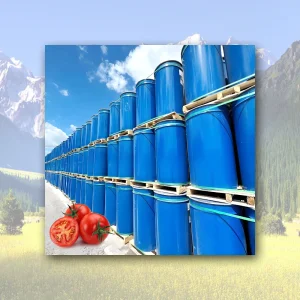
Explore our certified plant proteins, raw functional powders, and organic concentrates customized to power clean-label food designs globally.
Founded in 2005, Hebei Abiding Co., Ltd. has established itself as an elite Chinese pioneer in supplying high-fidelity organic foods and food ingredients. We operate with a closed-loop framework incorporating sustainable organic farming, sophisticated physical extraction, rigorous testing protocols, and robust logistics infrastructure.
As a verified EU & NOP organic supplier with over 20 years of experience, we own agricultural and manufacturing nodes across multiple Chinese provinces. This strategic infrastructure ensures our organic soy protein, plant protein formulations, and related vegetable products strictly follow international organic protocols without cross-contamination risk.
"We are proud to serve as an approved, verified supplier for Nestle and other Fortune 500 food conglomerates. We build trust through absolute quality traceability."

The global functional food ecosystem is shifting towards clean labels, plant-based alternatives, and hyper-transparent supply chains. The demand for organic soy protein isolate (SPI) and organic soy protein concentrate (SPC) is driven by food science requirements for emulsification, water binding, and textured structures.
Modern buyers demand alternatives to hexane-based extraction methods. Our factory utilizes physical extraction and enzymatic hydrolysis, preserving protein structure while ensuring zero toxic solvent residues.
Identity Preservation (IP) is critical. We trace every batch of organic soybeans back to original organic farms, ensuring no cross-contamination from GMO crops occurs during farming or processing.
We customize soy protein to specific target properties, matching the required gel strength, oil binding, and viscosity profiles for applications ranging from meat alternatives to beverages.
Our processes are backed by traceable data, verified supply infrastructure, and continuous testing to support global scale-ups.
B2B procurement professionals, quality directors, and R&D managers face significant supply challenges. Below is how we address these regulatory and logistics issues:

We provide comprehensive batch documentation, including GC-MS/MS pesticide screens, heavy metal analysis (Lead, Cadmium, Arsenic, Mercury), and PCR non-GMO testing. This data supports regulatory compliance across European and North American markets.
By operating multiple organic cultivation bases, we mitigate climate-related supply shocks. Our logistics networks support flexible scheduling (FOB, CIF, DDP) and raw material warehousing to ensure consistent supply lines.
Our factories enforce strict clean-in-place (CIP) protocols and isolated processing lines to prevent cross-contamination between gluten-containing cereals, dairy, and soy allergens.
Conventional soy processing often uses chemical solvents like hexane to extract oils and isolate proteins. Our organic soy processing line uses advanced mechanical and thermal processes to preserve nutrition and functionality without chemical residue.
Certified organic soybeans are dehusked and mechanically pressed under temperature-controlled conditions to extract soy oil, resulting in defatted organic soy flakes with high protein solubility.
Proteins are solubilized in water at a neutral pH, separating insoluble fibers. The liquid phase is adjusted to the isoelectric point of soy protein (pH 4.5) using organic-approved food acids to precipitate the protein curd.
Where needed, natural enzymes hydrolyze peptide bonds to modify gelling and viscosity features. The paste is pasteurized and spray-dried in sterile chambers to yield a highly functional, soluble organic soy protein powder.
To meet global sustainability goals, we are upgrading our facilities and farming methods to lower energy use, reduce waste, and improve protein functionality.
Upcycling soy whey wastewater into bio-nutrients and animal feed ingredients, aiming for a 95% reduction in production waste.
Combining traditional organic soy proteins with precision fermentation-derived compounds to improve the sensory qualities of plant-based meats.
Implementing regenerative farming methods across all our organic soybean bases to sequester carbon and reduce overall water usage by 40%.
Frequently asked questions regarding specifications, certification processes, and supply chain logistics for organic soy ingredients.
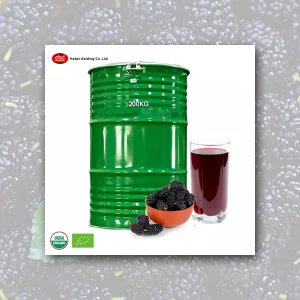
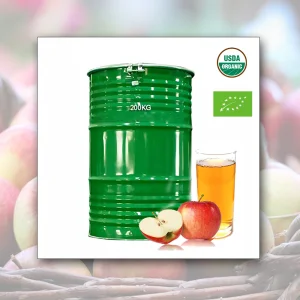
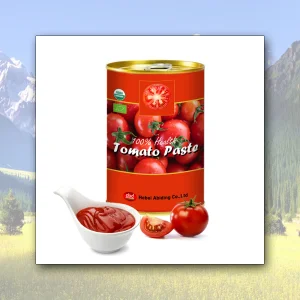
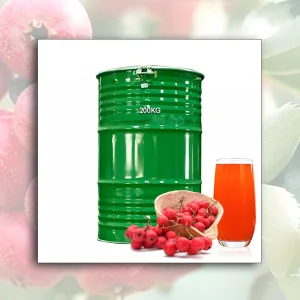
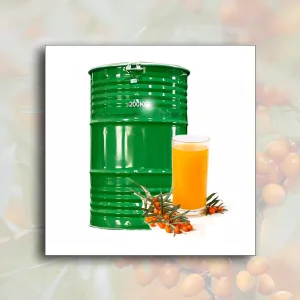
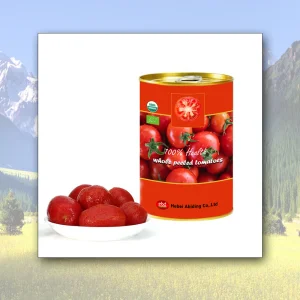
We provide raw organic bases, juice concentrates, and processed fruit ingredients to help food brands formulate clean-label products.
 Abiding Food