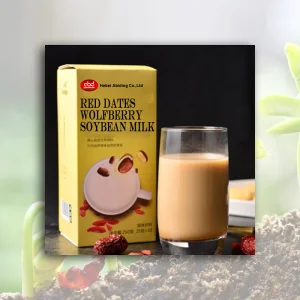
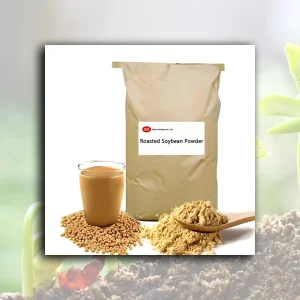
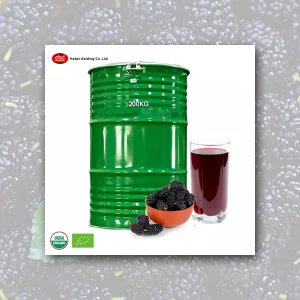
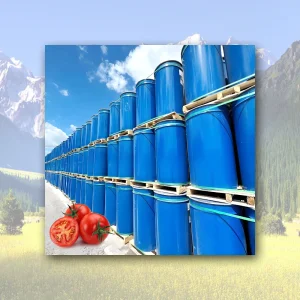
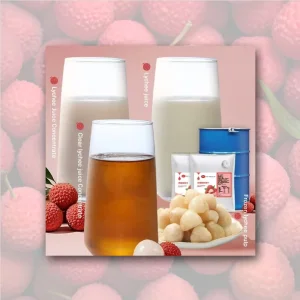
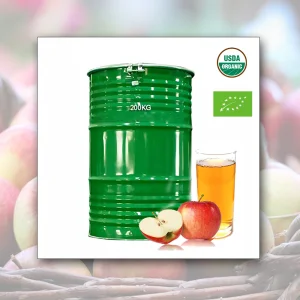
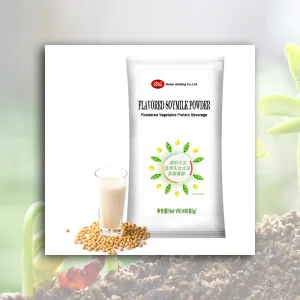
Explore our core global exports, manufactured to the highest food quality standards.
A trusted pioneer in plant-based food systems and high-quality nutritional ingredients since 2005.
Founded in 2005, Hebei Abiding Co., Ltd. has established itself as an authoritative global leader and premier supplier of food ingredients, specialty plant proteins, and organic foods in China. Over nearly two decades, we have engineered a sophisticated, fully integrated supply chain management mechanism. From sourcing premium-grade raw materials and managing clean-room processing lines to operating dedicated global logistics networks and providing professional technical after-sales support, we guarantee the safety, quality, and traceability of every shipment.
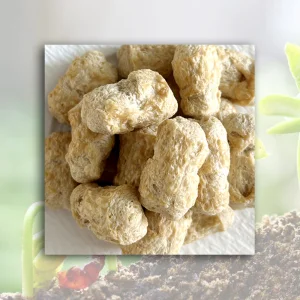
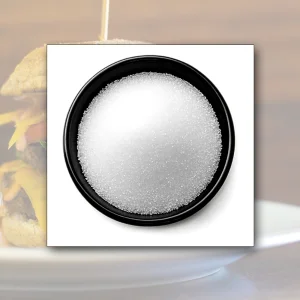
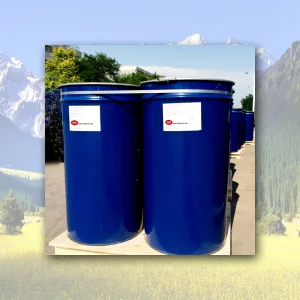
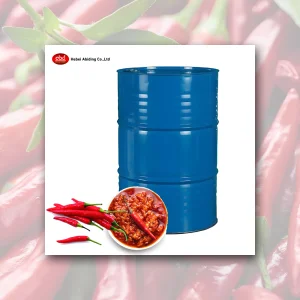
Our specialized product portfolio meets the demands of modern food manufacturers, featuring Textured Vegetable Proteins (TVP), concentrated fruit and vegetable purees/juices, freeze-dried (FD) and air-dried (AD) botanical ingredients, and clean-label stabilizers. As the plant-based revolution accelerates globally, we supply commercial developers with the functional ingredients needed to formulate clean-label, high-protein meat alternatives.
An in-depth white paper analysis of the global shift toward alternative proteins.
The food and beverage industry is experiencing a generational shift. Growing consumer concerns over climate change, resource depletion, and personal wellness have driven the demand for clean-label, plant-derived proteins. In this context, Textured Vegetable Protein (TVP), specifically Textured Soy Protein and Textured Pea Protein, has transitioned from a basic meat extender into the fundamental structural base for modern meat analogs.
Global buyers look for texturizing solutions that can replicate the fibrous bite, moisture retention, and mouthfeel of traditional animal proteins like beef, pork, poultry, and seafood. Meeting this standard requires high-shear extrusion technology, precise protein denaturation control, and clean-label raw material selection. As an experienced exporter, Hebei Abiding Co., Ltd. addresses these needs by supplying texturized ingredients designed for high water-absorption ratios, low beany flavor profiles, and excellent thermal stability.
Our raw materials are sourced from controlled agricultural zones, reducing water consumption and greenhouse gas emissions compared to animal protein production.
Non-GMO options, allergen-free alternatives (such as pea-based texturizers), and minimal processing additives meet clean-label standard requirements.
Our raw material supply chain reduces price volatility, helping industrial food processors manage ingredient costs effectively.
The science of protein texturization and the structural transformation of plant proteins.
Textured protein quality depends on the extrusion process. High-quality textured soy or pea protein is not just dried soy flour; it is the result of thermal and mechanical energy transforming globular plant proteins into organized, linear, fibrous networks. This process requires precise control over pressure, shear rate, moisture, and temperature within the extruder barrel.
Our manufacturing partners utilize advanced co-rotating twin-screw extruders. Under high pressure and temperature, the protein molecules unwind (denature) and realign. When passing through a specialized die, the moisture flashes off, forming a porous, expanded cellular matrix that mimics animal muscle tissue. Controlling this expansion determines the density, water absorption index, and shear strength of the final product.
Selecting defatted soy flour, soy protein concentrates, or pea protein isolates with consistent protein dispersibility index (PDI) and fat levels below 1%.
Adjusting temperature profiles (up to 160°C) and moisture content to denature globulins and cross-link them into aligned, parallel fibers.
Structuring the protein into custom shapes (minces, flakes, granules, chunks) to match the target mouthfeel of specific meat formulations.
Drying the textured protein to a moisture level below 8% to ensure a long shelf-life, followed by multi-stage metal detection and protective packaging.
Formulating for diverse applications while meeting strict international regulations.
Plant-based applications vary significantly across different regions. In North American and European markets, textured protein is widely used in high-moisture burgers, ready-to-eat meals, and allergen-free pea protein meat alternatives. In Asia, textured proteins are often formulated into vegetarian dumplings, traditional minced fillings, and hybrid meat products to optimize formulation costs.
Hebei Abiding Co., Ltd. addresses this diversity with customizable product grades. Our texturized proteins are classified by shape, size, color, and functional properties:
As an established global exporter, we maintain rigorous international quality standards. We are a certified EU & NOP Organic product supplier with over 20 years of experience. Our facilities run trace-back systems compliant with GFSI standards. We also offer Kosher, Halal, Non-GMO Project Verification, and BRC certification to ensure compliance with global import regulations.
Expert answers to common technical, commercial, and logistical questions about textured proteins.
Our standard textured soy proteins feature a hydration ratio of 1:2.5 up to 1:3.2 (by weight), depending on the shape and size. The protein absorbs water within 10 to 15 minutes at room temperature, expanding into a fibrous texture suitable for processing.
We operate fully audited organic farms and processing facilities across several Chinese provinces. Our entire supply chain is certified compliant with EU organic regulations and the USDA National Organic Program (NOP). Transaction Certificates (TCs) are provided for every exported batch to verify traceability.
While soy remains a widely used option, we also manufacture and export Textured Pea Protein. This alternative is naturally allergen-free, non-GMO, and gluten-free, helping clients meet clean-label requirements for sensitive markets.
Our typical packaging consists of multi-layer kraft paper bags with inner PE liners (usually 15kg to 20kg). For bulk industrial shipments, we offer customizable supersacks (tote bags) of 500kg. A standard 40ft High Cube (HC) container holds approximately 9 to 12 metric tons of textured protein, depending on the expansion ratio.
A full selection of organic purees, food concentrates, and plant-based proteins.
 Abiding Food