Premium wholesale products sourced directly from our state-of-the-art agricultural processing facilities.
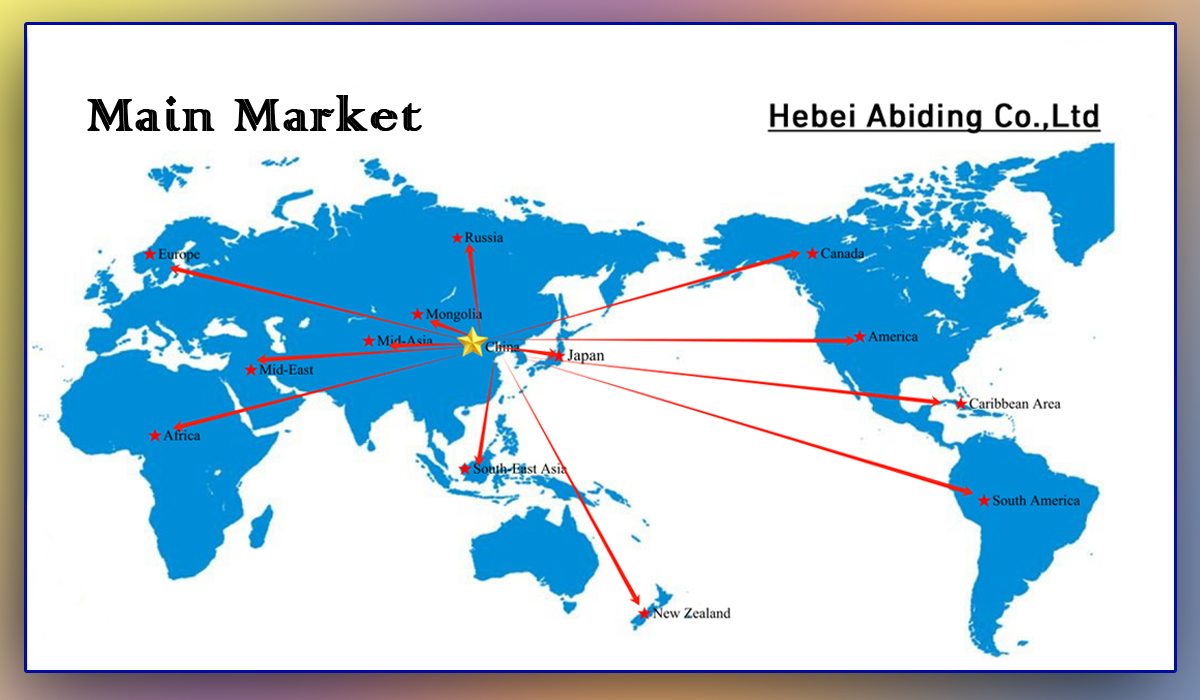
Established in 2005, Hebei Abiding Co., Ltd. stands as a benchmark supplier and exporter of agricultural products and high-grade food ingredients in China. Over nearly two decades of optimization, we have constructed an unbroken supply loop spanning organic farming, industrial-scale processing, strict analytical validation, global logistics, and responsive after-sales service.
Our core industrial food product lines include premium plant proteins, high-purity fruit and vegetable juice concentrates, aseptic tomato purees, and specialized food additives. As a certified supplier of organic products under European Union (EU) and USDA National Organic Program (NOP) regulations, we have held our rank as a primary exporter of organic tomato paste and related derivatives in China for consecutive decades.
We take pride in our long-term strategic supplier certifications from multi-national corporations including Nestle and other global food manufacturing brands, validating our consistent execution of rigorous QA controls.
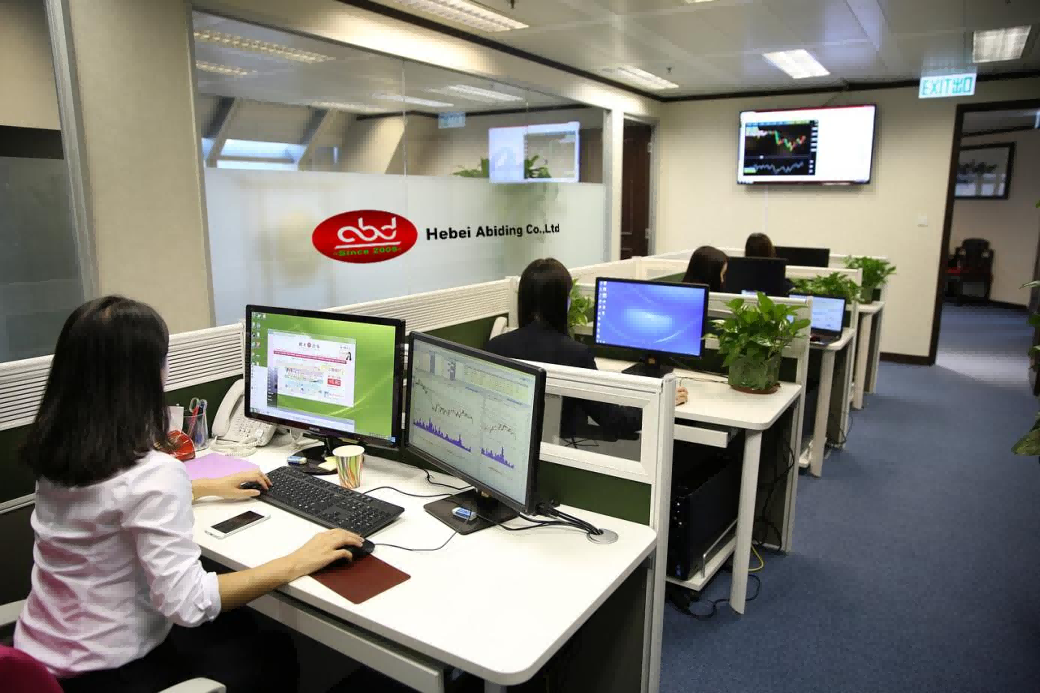

Operating in the industrial food sector demands flawless supply chain resilience. As a certified EU & NOP organic products supplier with more than 20 years of experience, we maintain direct control over our agricultural holdings and regional packaging plants across China. This localized footprint ensures that our tomato harvests undergo cold-break or hot-break extraction within hours of mechanical picking.
Understanding the rheological and chemical differences between industrial Tomato Puree and standardized Tomato Sauce is essential for food processing engineers. Below is the specification matrix detailing the mechanical properties, viscosity levels, and typical applications for our wholesale solutions.
| Parameters | Tomato Puree (Aseptic Bulk) | Tomato Sauce (Industrial Prep) | Tomato Paste (High Concentration) |
|---|---|---|---|
| Brix Range (%) | 10.0% – 15.0% (Single Strength) | 8.0% – 12.0% (Seasoned/Formulated) | 28.0% – 30% / 36.0% – 38.0% (Concentrate) |
| Processing Method | Cold Break (CB) / Light Filtration | Hot Break (HB) / Thickening / Seasoned | Double/Triple Effect Vacuum Evaporation |
| Lycopene Content | ≥ 35 mg/100g (wet basis) | ≥ 25 mg/100g (formulated basis) | ≥ 50 mg/100g (highly concentrated) |
| Viscosity (Bostwick) | 6.0 – 9.0 cm/30s (at 12.5% Brix) | 4.0 – 7.0 cm/30s (at 10% Brix) | 5.0 – 8.0 cm/30s (Hot Break at 12.5% Brix) |
| pH Value | 4.1 – 4.4 (Natural acidity) | 3.9 – 4.3 (Stabilized) | 4.1 – 4.3 (Standardized) |
| HMC (Howard Mold Count) | < 30% positive fields | < 20% positive fields | < 40% positive fields (EU limit) |
Note on Industrial Formulations: All product batches undergo high-temperature short-time (HTST) sterilization (108°C–112°C for 30–60 seconds) followed by sterile aseptic filling into high-barrier multi-layer laminated bags to guarantee a stable 24-month shelf life without chemical preservatives.
The global tomato supply chain depends heavily on specific climatic conditions. China's northern regions, particularly Xinjiang and Inner Mongolia, present a unique combination of geography and climate that makes them premier tomato cultivation zones.
During the summer growing season, our agricultural sites experience more than 15 hours of daily sunshine, coupled with a day-to-night temperature swing of up to 20°C. This microclimate accelerates the accumulation of natural sugars (soluble solids) and lycopene within the fruit, resulting in a naturally sweet raw material that requires less added sugar during final formulation.
By utilizing snowmelt runoff from neighboring mountain ranges through computerized drip irrigation systems, we control the exact moisture profile of our crops. This reduces mold growth (HMC) and plant diseases, yielding clean, high-solids tomatoes that outperform rain-fed crops in consistency and purity.
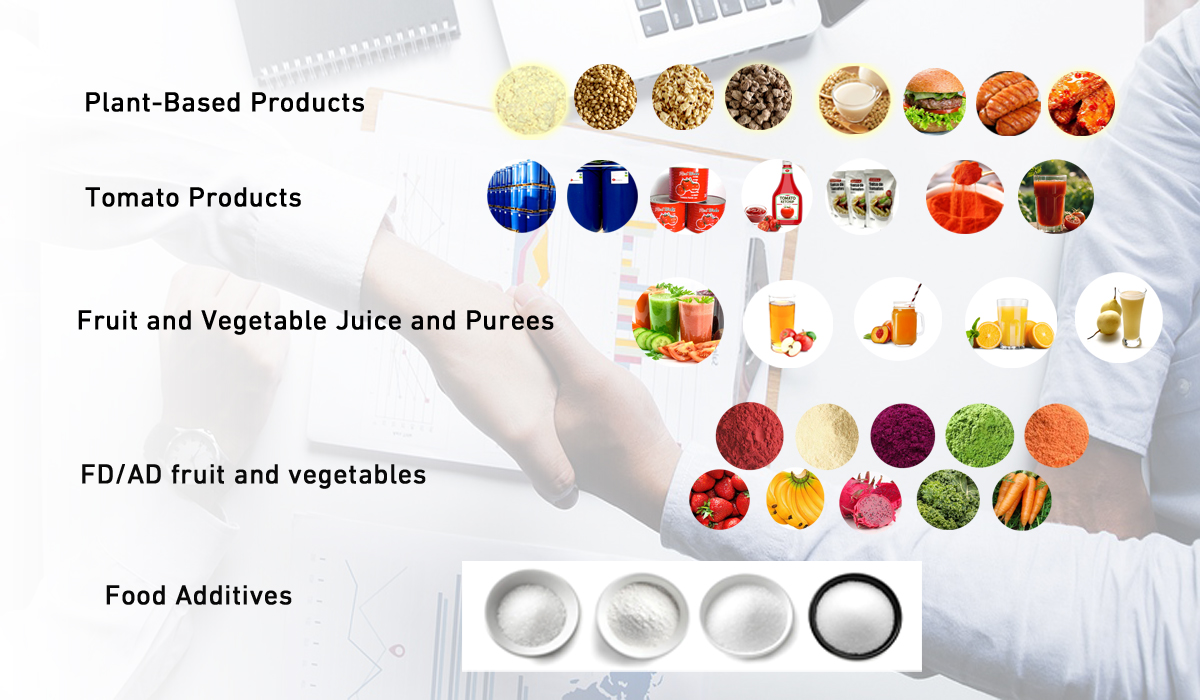
Providing technical formulations and customized packaging options tailored to industrial manufacturers, retailers, and food service providers.
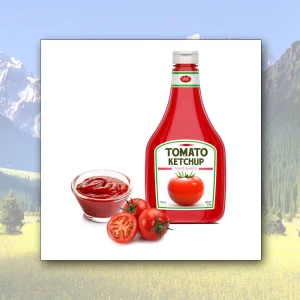
We provide high-brix, bulk-packaged tomato concentrates (CB 28-30%, HB 30-32%) in 220L aseptic bags in steel drums or 1000L wooden bins. These serve as the foundational base for global ketchup factories, canned vegetable packers, and ready-to-eat meal manufacturers looking to optimize their recipes.
For quick-service restaurant (QSR) chains and commercial hospitality suppliers, we manufacture pre-seasoned, high-viscosity pizza and pasta sauces in convenient BIB (Bag-in-Box) packaging and multi-kilogram stand-up pouches. These formats streamline kitchen prep while keeping flavor profiles consistent across locations.
We offer turnkey Private Label solutions for global retail supermarket networks. From stand-up spouted pouches to traditional glass jars and cans, we handle the entire process—including recipe customization, container selection, design compliance, and custom labeling.
Our in-house R&D lab is equipped with vacuum evaporators and high-pressure homogenizers, allowing us to adjust critical parameters to meet client specifications. Whether you require a specific viscosity (Bostwick value), acidity adjustment, salt limit, or a tailored blend of herbs and spices, our food scientists can develop, test, and scale your target recipe.
Our core mission is built on four pillars: "Character, Food, Conscience, Love". We believe that producing food is a major social responsibility. That is why we invest heavily in environmental protection, energy-efficient manufacturing processes, and complete digital traceability systems.
By partnering with Hebei Abiding Co., Ltd., global buyers secure a reliable source for sustainable food ingredients. Our processing lines use closed-loop water recycling and solar energy arrays to minimize our overall carbon footprint.
Additionally, our batch-tracking system ensures that every drum of tomato puree or sauce can be traced back to its specific agricultural plot, harvest date, and processing parameters.

To maintain our partnerships with brands like Nestle, Hebei Abiding Co., Ltd. operates under strict Quality Assurance (QA) and Hazard Analysis Critical Control Point (HACCP) frameworks.
Understanding market dynamics, environmental shifts, and shifting consumer behavior for the 2025–2030 horizon.
The global tomato derivatives market is shifting rapidly, driven by environmental changes, regulatory updates, and evolving consumer preferences:
Providing transparent technical answers to common questions from procurement professionals and food scientists.
The difference lies in the temperature used during enzymatic inactivation. In Hot Break processing, the fresh tomatoes are heated rapidly to 85°C–90°C. This heat deactivates natural pectin-degrading enzymes, preserving the tomato's natural pectin and yielding a thicker, more viscous paste—perfect for sauces and ketchup. In Cold Break processing, the tomatoes are heated to 65°C–75°C. This allows some enzyme activity to break down pectins, resulting in a lower viscosity product with a fresher flavor and brighter color, which is ideal for tomato juice and light purees.
Our 220L and 1000L aseptic bags are made with high-barrier aluminum foil laminates. These maintain product sterility and protect against oxygen ingress, giving the unopened product a shelf life of 24 months when stored at ambient temperatures (preferably under 25°C).
We maintain dedicated organic fields certified by accredited international organic certification bodies. Throughout the growing season, we use zero synthetic chemical fertilizers, pesticides, or GMO seeds. Our dedicated processing plants run separate, thoroughly cleaned production shifts for organic batches to prevent any cross-contamination with conventional crops.
For our bulk aseptic drums (220L), our standard MOQ is one 20ft FCL (Full Container Load), which fits approximately 80 drums (approx 19-20 metric tons). For customized retail formulations or private label orders, MOQs depend on container sizes and production line requirements. Please reach out to our sales team for custom estimates.
Yes. Our research and development lab can formulate tomato purees and sauces to your exact viscosity (Bostwick scale) and pH targets. We can also adjust acid-to-sugar ratios to ensure the product blends seamlessly into your existing manufacturing lines.
Providing reliable sourcing for global food manufacturers, beverage companies, and nutrition brands.
 Abiding Food