Cheap Tomato Sauce From Tomatoes Factories & Exporters

Global Industrial Procurement & B2B Solutions: Optimizing Yield, Regulatory Compliance, and Global Supply Chain Integration

Hebei Abiding Corporate Facility
Established 2005

Global Partner for Clean-Label Ingredients

Hebei Abiding Co., Ltd. is a professional supplier of foods and food ingredients in China. Over the past two decades, we have engineered a flawless supply mechanism encompassing agricultural raw materials, advanced factory concentration processes, international logistics, and comprehensive after-sales systems to ensure a secure, traceable product cycle.

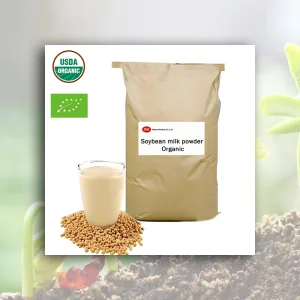
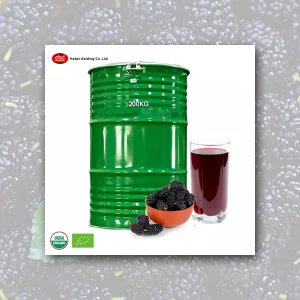
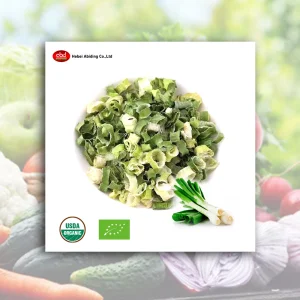
Our core portfolio specializes in vegetable proteins, organic fruit and vegetable juices, purees, Freeze-Dried (FD) and Air-Dried (AD) fruits/vegetables, and specialized plant-based ingredients tailored for the global food industry.

Direct From Source: Why Choose Us

Building transparency and strict quality metrics across every production line.

Why Choose Us

As a certified EU & NOP organic products supplier with more than 20 years of experience in the organic food fields, we have been ranked the largest exporter of organic tomato paste in China for many years. We operate dedicated organic farms and processing facilities in different provinces in China to ensure compliance with strict organic standards.

Certified Tomato Production

Our Products

Modern consumers demand clean-label, high-protein, high-fiber, low-calorie, non-GMO, and gluten-free diets. Leveraging our foundational capabilities in the organic fields, we have successfully optimized agricultural processes to provide raw materials that align with these dietary shifts.
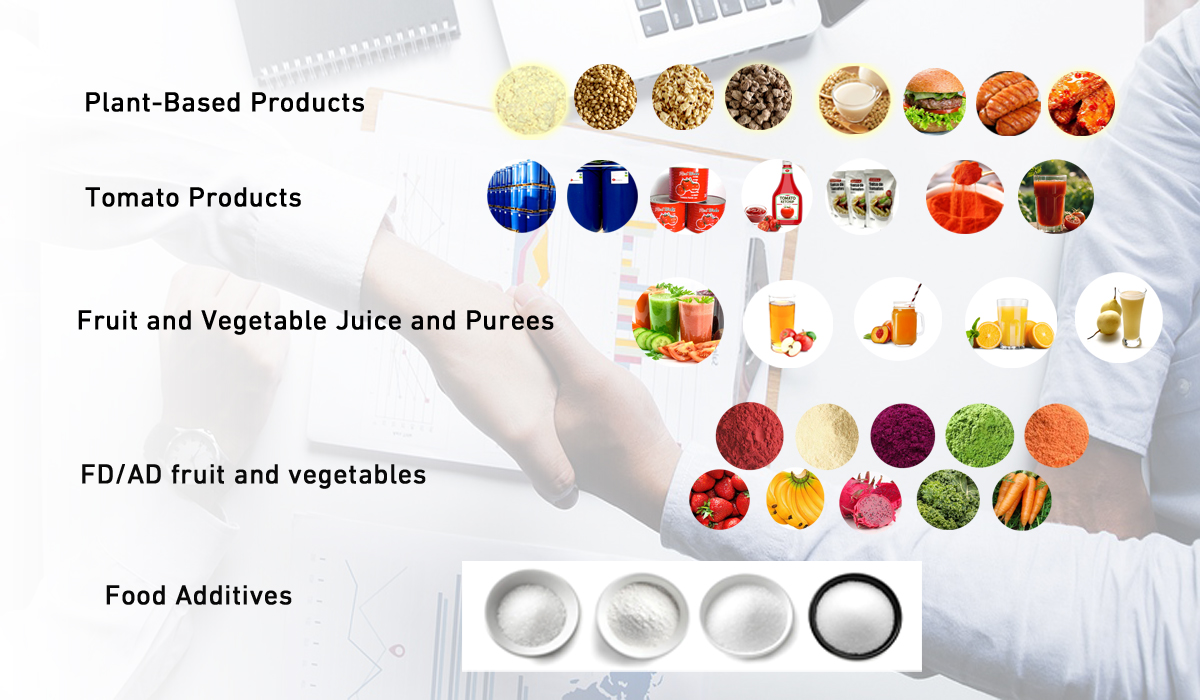
Product Compliance Specifications

Our Business

We maintain stable partnerships with key multinational corporations, including Nestlé. Our compliance mechanisms conform to international food quality audits. We provide extensive support to help our clients manage seasonal raw material fluctuations.
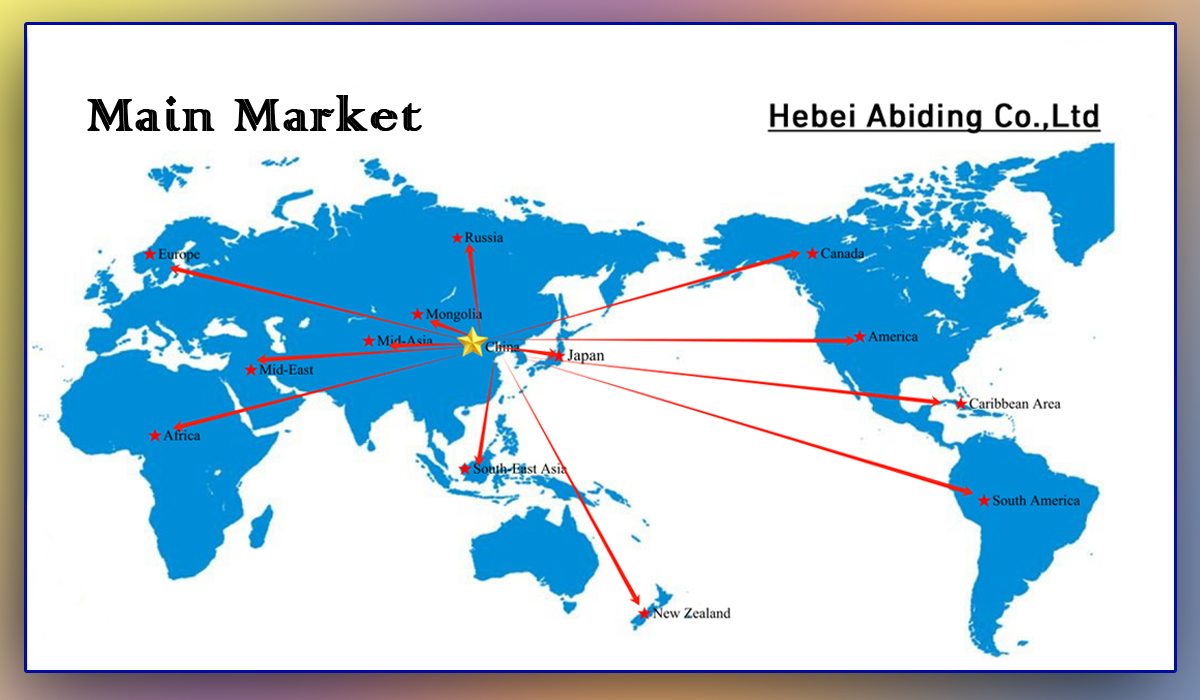
B2B Supply Partnerships

Global Tomato Sauce Procurement Whitepaper

A Comprehensive Technical Guide on B2B Sourcing, Concentration Efficiencies, Industrial Logistics, and Regulatory Compliance Standards.

20+
Years Industry Experience
EU / NOP
Organic Certifications
100%
Traceable Supply Chain
Nestlé
Qualified Supplier

1. The Mechanics of the Global Tomato Processing Industry

The term "cheap tomato sauce" in high-volume commercial trading is not indicative of inferior quality, but is rather the result of optimized process design, geographical location, high-yield agriculture, and industrial-scale vacuum evaporation technology. Industrial-grade tomato products are priced and evaluated based on chemical and physical parameters rather than consumer packaging aesthetics. Processing plants rely on the USDA and Codex Alimentarius guidelines to maintain standardized batches.

Commercial tomato sauce relies heavily on double-concentrated (28-30% Brix) or triple-concentrated (36-38% Brix) tomato paste as its foundational component. Procuring directly from processing centers in key tomato-growing zones (such as Xinjiang, Inner Mongolia, and Gansu in China, which benefit from extensive sunlight and large temperature differentials) allows importers to access clean-label, high-lycopene concentrates with low heavy-metal indices at competitive rates.

2. Technical Classifications: Cold Break vs. Hot Break

B2B buyers must define the heating extraction parameters prior to placing orders, as these parameters affect the physical application of the sauce:

  • Hot Break (HB) Tomato Paste: The raw tomatoes are rapidly heated to temperatures between 85°C and 100°C immediately after chopping. This thermal treatment deactivates endogenous pectinolytic enzymes (pectinesterase and polygalacturonase), preserving the natural pectin chain. The resulting paste has high viscosity and is suitable for manufacturing thick, non-separating tomato ketchup, stable pasta sauces, and marinades.
  • Cold Break (CB) Tomato Paste: The raw tomatoes are chopped and heated at lower temperatures (65°C to 75°C), allowing enzymatic action to break down the natural pectins. This yields a product with lower viscosity, lighter color profiles, and a fresher flavor profile, making it suitable for reconstituted juices, soups, and certain thin table sauces.

3. Industrial Processing & Technical Roadmap

Maintaining clean-label characteristics at an optimized price point requires precise technical steps inside the factory:

  1. High-Throughput Flotation Washing: Tomatoes are discharged into water channels to remove soil and foreign materials while reducing bruising.
  2. Optical Sorting & Manual inspection: Dual-sided high-resolution sensor arrays isolate green, moldy, or defective fruit, keeping the Howard Mold Count (HMC) within acceptable tolerances.
  3. Continuous Vacuum Evaporation: Flash evaporation at lower temperatures under negative pressure protects heat-sensitive vitamins, maintains bright red lycopene levels (a/b ratio > 2.0), and removes water efficiently.
  4. High-Temperature Sterilization (HTST): The paste is held at high temperatures for brief periods to maintain commercial sterility without degrading the product's flavor profile.
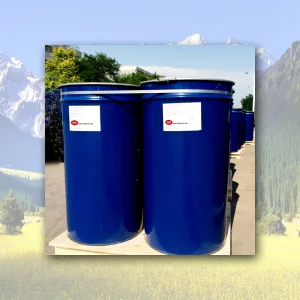
  5. Aseptic Filling: The sterile paste is sealed into multi-barrier laminate bags (often 220L or 1000L bags inside steel drums or wooden bins) under positive sterile air pressure, preventing oxidation and securing a stable 24-month shelf life without chemical preservatives.
Advanced Agricultural Traceability System

Our Traceability Standard: From Organic Farm Cultivation to Sealed Packaging Delivery.

4. Macro Industry Solutions: Optimizing B2B Procurement

Large food manufacturers require consistent raw material specifications to maintain product uniformity across regional factories. Modern agricultural exporters address this through specialized solutions:

  • Viscosity Modification: Customizing Bostwick flow values to match client production machinery.
  • Acidity Control: Standardizing pH values between 4.0 and 4.4 to optimize food safety parameters.
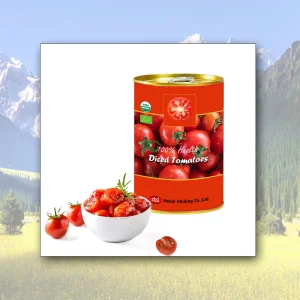
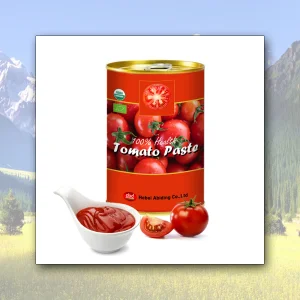
  • Bespoke Packaging Options: Offering aseptic bags in drums for industrial processors alongside smaller retail-ready canned configurations for food service companies.
  • Supply Chain Security: Utilizing diversified agricultural farming plots in different provinces to safeguard raw material access against localized weather disruptions.

5. Strict Regulatory Compliance & Traceability

Importing agricultural products requires adherence to complex global regulatory frameworks. Under the FDA's FSMA regulations and the EU's General Food Law, complete traceability from farm to table is mandatory. Our quality systems monitor heavy metal residues, pesticide limits, and microbiological counts at every stage. We maintain active EU and NOP organic certifications, confirming that our cultivation and processing steps remain free from synthetic chemical additives.

Frequently Asked Questions (FAQ)

Technical and logistical insights for professional procurement officers and food scientists.

What is the standard Brix level for industrial tomato sauce processing?
For raw material imports, double-concentrated paste (28-30% Brix) and triple-concentrated paste (36-38% Brix) are the industry standards. Food manufacturers reconstitute these concentrates to lower Brix levels (typically 8-12%) for consumer-facing sauces and ketchup.
How does Hot Break paste differ from Cold Break paste in industrial applications?
Hot Break paste is processed at higher temperatures, deactivating pectin-degrading enzymes. This results in a thick, highly viscous paste ideal for ketchup and pasta sauces. Cold Break paste preserves more of the natural flavor and color, making it suitable for juices and lighter sauces.
What certifications verify the organic integrity of Hebei Abiding products?
We are a certified EU and NOP (National Organic Program) organic products supplier. Our farms and processing facilities undergo regular independent audits to verify compliance with organic agricultural standards.
What packaging formats are available for bulk shipments?
We supply industrial tomato paste in 220L aseptic bags within steel drums (approx. 4 drums per pallet, 80 drums per 20ft container) and 1000L aseptic bags inside wooden bins, as well as customized retail-ready tin cans of various sizes.
How does Hebei Abiding maintain consistency across batches?
Our quality control protocols include automated colorimeter checks (a/b ratio), refractometer Brix monitoring, Bostwick flow measurement, and strict microbiological tests (including Howard Mold Count). This data is integrated into our traceability system for every production batch.