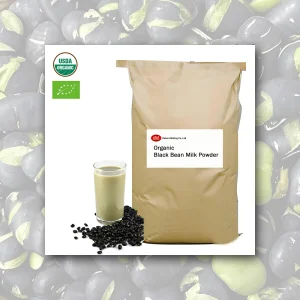
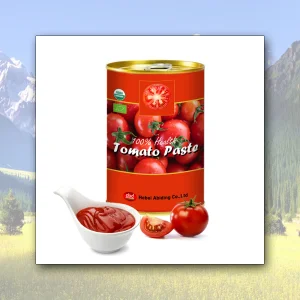
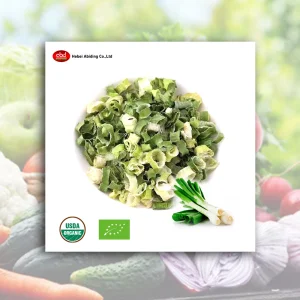
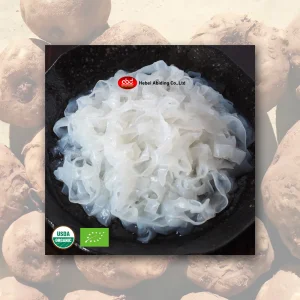
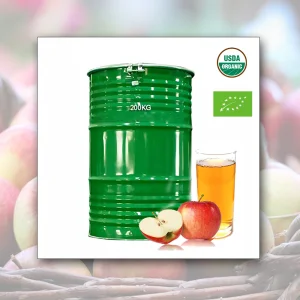
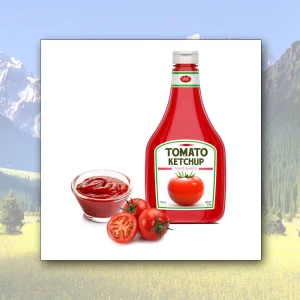
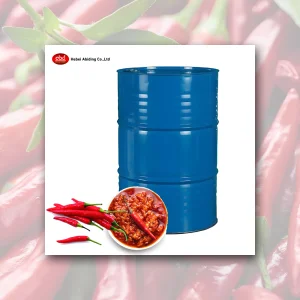
Explore our premium quality organic, bulk concentrates and finished food items manufactured under strict quality standards for global shipment.
Hebei Abiding Co., Ltd. established in 2005 is a professional supplier of foods and food ingredients in China. We operate with a fully integrated mechanism comprising raw materials supplying, processing, sales, and after-sales service to ensure the consistent delivery of qualified food products to global markets.
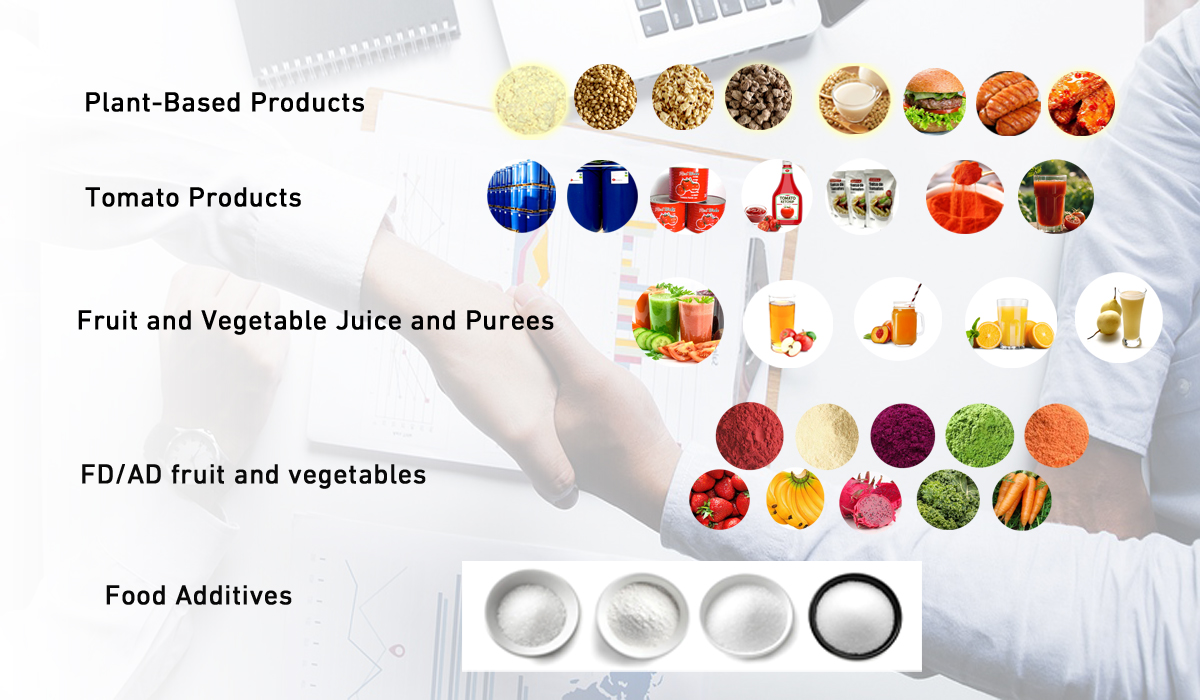
Our core product portfolio includes premium vegetable proteins, organic fruit and vegetable juice concentrates, premium purees, Freeze-Dried (FD) and Air-Dried (AD) fruits and vegetables, plant-based functional ingredients, and a comprehensive range of premium food additives.
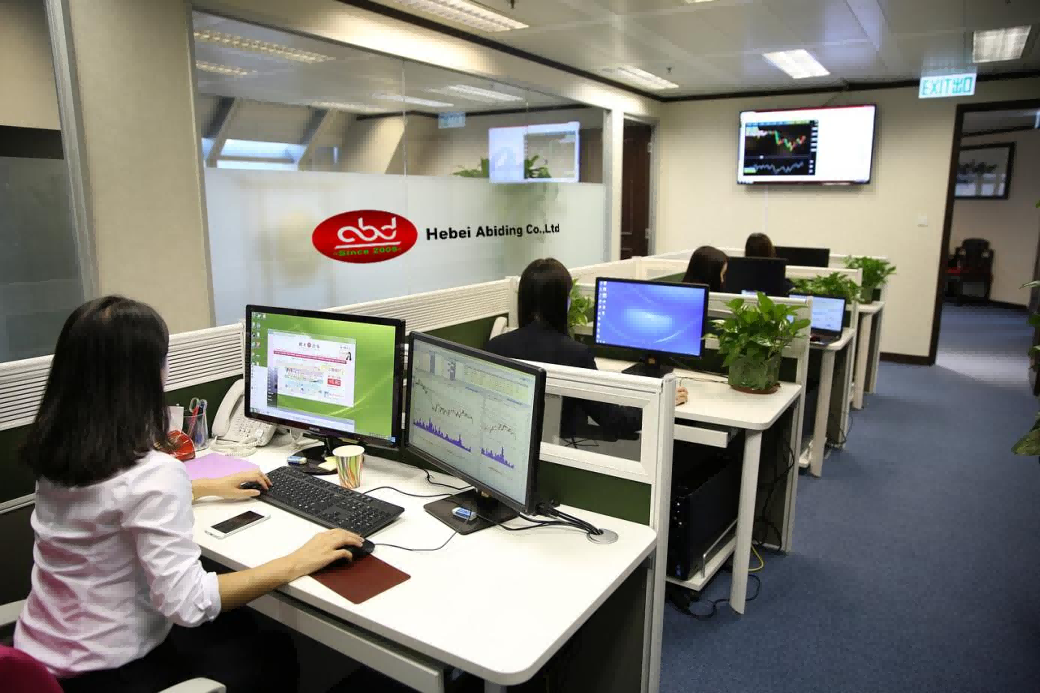

As a certified EU & NOP organic products supplier with more than 20 years of experience in the global organic food sector, we have been ranked among the largest exporters of organic tomato paste in China for consecutive years.
We own and manage organic farms and processing facilities located in the most geographically optimal provinces across China. This guarantees that every batch of ketchup and tomato paste produced aligns with rigorous international quality standards, maintaining soil health, preventing contamination, and fostering raw ingredient purity.
"Sustainable agriculture is not just about certification; it is the framework that allows us to deliver pure, pesticide-free tomato paste and ketchup to corporate buyers who prioritize customer trust."
For large-scale food processors, Quick Service Restaurant (QSR) chains, and wholesale distributors, sourcing tomato paste as a base for ketchup represents a highly complex supply chain decision. Ketchup quality is inextricably linked to the physico-chemical properties of the tomato paste concentrate. Understanding raw material properties, geographical manufacturing advantages, and the industrial technologies utilized in concentration is critical for processing efficiency and cost reduction.
When selecting tomato paste for commercial ketchup production, B2B procurement managers must analyze distinct technical parameters. Tomato paste is typically offered in two major forms: Cold Break (CB) and Hot Break (HB).
| Parameter | Cold Break (CB) Tomato Paste | Hot Break (HB) Tomato Paste | Impact on Finished Ketchup |
|---|---|---|---|
| Brix Range | 28-30% / 36-38% | 28-30% / 30-32% | CB provides high concentration efficiency, reducing shipping water costs. |
| Preheating Temp | 65°C - 75°C | 85°C - 95°C | Hot break inactivates pectinase enzymes, protecting natural tomato pectins. |
| Viscosity (Bostwick) | 7.0 - 9.0 cm/30 sec | 4.0 - 6.0 cm/30 sec | HB creates highly viscous ketchup with minimal syneresis (water separation). |
| Color (a/b value) | 2.1 min | 1.9 - 2.0 | CB maintains a brighter, more natural tomato-red hue. |
Our processing lines utilize advanced evaporator systems to maintain color retention and prevent caramelized flavor development. For retail ketchup brands requiring a shiny texture and excellent flow control, we recommend a customized blend of Cold Break and Hot Break paste to maximize natural fiber structural stability while optimizing raw material costs.
The vast majority of our organic tomato paste is grown in Xinjiang and the Inner Mongolia autonomous regions. These territories feature a unique microclimate perfectly suited for industrial tomato cultivation:
To cater to various consumer palates, Hebei Abiding Co., Ltd. provides customized solutions for different target regions:
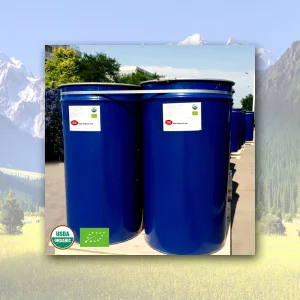
We process raw tomatoes within 24 hours of harvest. The washing, sorting, crushing, preheating, refining, evaporating, and sterilization phases are conducted under strict electronic controls. We utilize aseptic bag-in-drum packaging (220L) and wooden bins (1000L) to preserve freshness for up to 24 months without chemical preservatives.
We have built long-term, stable partnerships with corporate clients around the globe. Our processing plants and quality control processes are fully certified to meet the standards of world-renowned food manufacturers, including Nestle.
Our commitment to rigorous testing covers agricultural chemical residues, heavy metals, plasticizer tracking, and microbiological counts. Every shipment includes a complete Certificate of Analysis (COA) traceable back to the specific farm batch.
Operating with ISO 22000, HACCP, and BRC global certifications to guarantee compliance across every step.
Direct ownership and control over large agricultural fields ensuring tracebility and strict pesticide residue control.
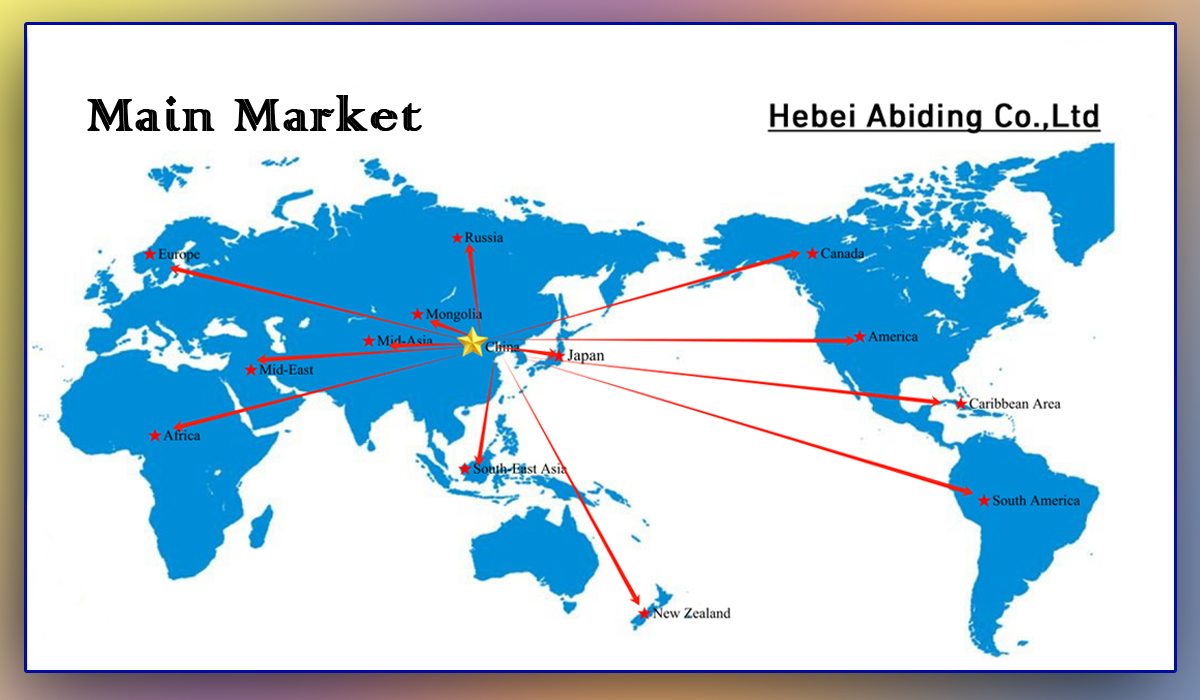
Efficient multi-modal transit networks linking our inland facilities to China's major deep-water seaports for rapid shipping.

Our Purpose: To provide customers with healthy and safe products, supported by dedicated, professional service. We aim to secure survival through premium quality and drive development through product specialization, maintaining a fast, efficient management team and a robust quality traceability system. We work daily to achieve our core business values: "character, food, conscience, love."
Our Objectives: To align our operational activities with environmental protection, prioritizing consumer health, gathering industry-wide wisdom, pursuing collaborative development, and building an excellent global enterprise.
The global condiment market is undergoing structural shifts. Buyers are progressively moving away from generic exporters toward integrated suppliers capable of showing full supply chain traceability. Sourcing ketchup and raw tomato paste from Chinese processors offers significant risk-mitigation benefits:
With integrated operations from farm harvesting to container loading, we shield industrial food brands from erratic price hikes in global tomato crops.
We perform regular laboratory tests to screen for heavy metal limits (Lead < 0.1 mg/kg) and ensure pesticide trace levels comply with demanding EU and USDA limits.
Our plants leverage low-temperature, multi-effect vacuum evaporator lines to optimize energy usage, safeguarding natural nutrients and color.
We supply bulk tomato paste in 220L sterile bags packed inside drums or 1000L wooden bins, alongside consumer-ready glass and PET packaging.
By coordinating production across different provinces in China, we manage logistics risk effectively. When local weather patterns or regional shipping backlogs affect one hub, our alternative facilities maintain steady supply flows to keep overseas processing plants running.
Get answers to key technical questions regarding the sourcing, shipping, specifications, and customization of bulk tomato paste and ketchup.
Review our broader range of high-quality organic concentrates, powdered food ingredients, and industrial food additives.
 Abiding Food