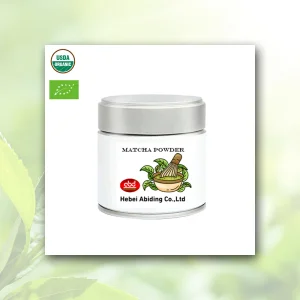
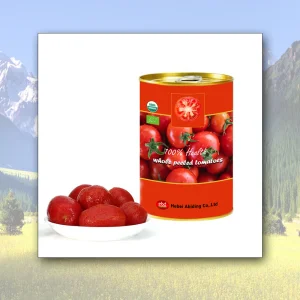
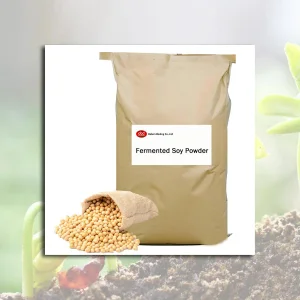
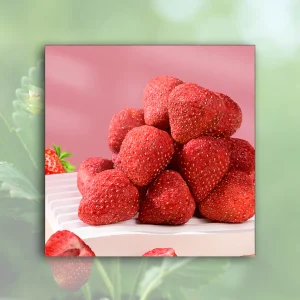
Direct supply from certified farms and state-of-the-art global processing facilities
The global shift towards clean-label, allergen-free plant proteins has positioned yellow pea protein (Pisum sativum) as the leading ingredient for food manufacturers worldwide. Due to its superior amino acid profile, high digestibility, and non-allergenic status compared to soy and dairy, pea protein isolation has transitioned from a niche dietary option into a foundational ingredient in food science.
Global demand is driven by the modern consumer’s preference for sustainable, GMO-free, gluten-free, and keto-friendly options. Consequently, international food brands demand clean extraction processes, low organoleptic footprints (neutral smell and taste), and reliable scalability from plant-based protein manufacturers. In this context, raw materials and advanced processing technology must converge to deliver high-density isolates (typically ≥80% protein content) that perform flawlessly in beverages, meat analogues, and nutritional blends.
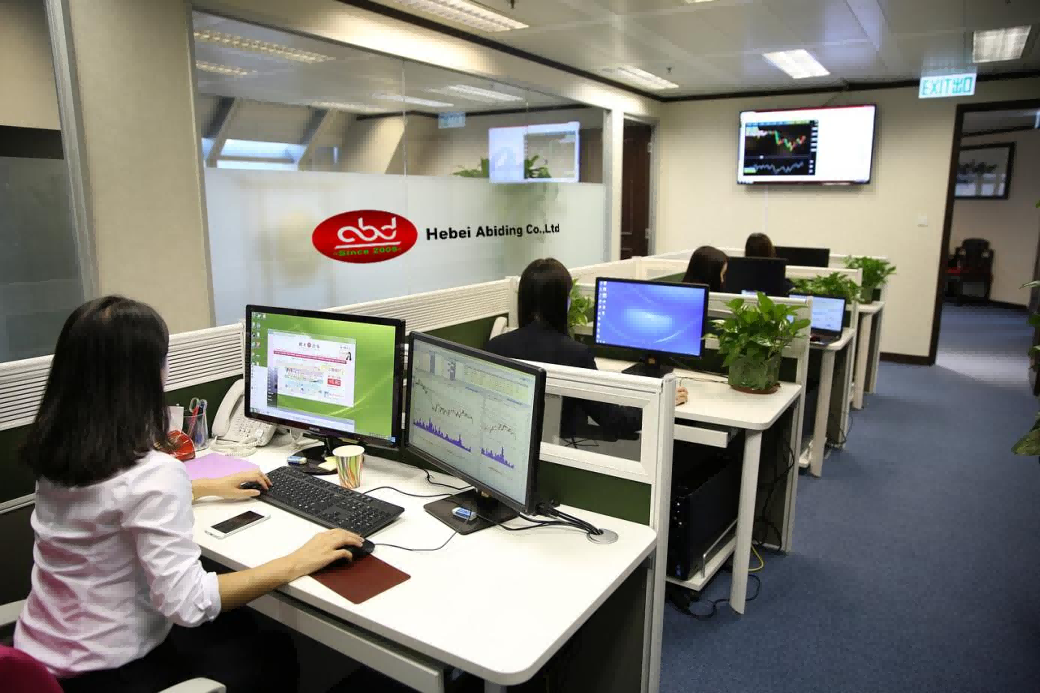
A certified EU & NOP organic food ingredients supplier with deep roots in global food supply chains

Established in 2005, Hebei Abiding Co., Ltd. has grown from a specialized regional exporter into an international supplier of premium foods and food ingredients in China. Our operational infrastructure spans raw materials sourcing, high-tech manufacturing, extensive quality assurance protocols, and a comprehensive global logistics network. We pride ourselves on offering complete transparency and traceability from soil to final delivery.
As a certified supplier under the strict EU and NOP organic protocols, we manage dedicated organic farmlands across several agricultural provinces in China. We also hold the distinction of being the largest exporter of organic tomato paste in China for consecutive years. This structural scale and adherence to regulatory compliance have enabled us to secure partnerships as an audited, qualified supplier to global industry giants like Nestle.
Unlocking logistics stability, raw material access, and advanced industrial processing capacity
China maintains proximity to major non-GMO yellow pea agricultural zones, securing a stable supply of high-grade raw inputs. This insulated agricultural pipeline avoids supply disruptions seen in other regions.
Chinese factories utilize state-of-the-art wet milling, pasteurization, and spray-drying machinery. Physical, chemical-free precipitation maintains protein integrity and produces isolates of up to 85% purity.
Through vertically integrated manufacturing complexes, Hebei Abiding manages baseline costs efficiently, allowing global food companies to maintain strong retail margins while transitioning to clean-label plant proteins.
How we engineer pea protein for superior functional performance and neutral sensory profiles
To produce pea protein powder that meets the requirements of global food systems, our plants utilize a chemical-free, wet-milling process. First, the yellow peas are cleaned, dehulled, and ground into a fine flour. Water is introduced to solubilize the starch and fiber, which are separated via centrifugal classification. The protein-rich solution undergoes isoelectric precipitation to separate the protein isolates from soluble carbohydrates.
The curd is then washed, pasteurized (ensuring minimal microbiological activity), and spray-dried in high-capacity drying towers. This process keeps the protein structures intact, ensuring exceptional emulsification, water-binding capacity, and gelation in final food products.
Standard Technical Specifications:
• Protein (Dry Basis): ≥ 80% to 85%
• Moisture: ≤ 8.0%
• Ash: ≤ 6.0%
• Particle Size: 100% through 100 mesh
• Heavy Metals: Lead < 0.2 mg/kg, Arsenic < 0.1 mg/kg
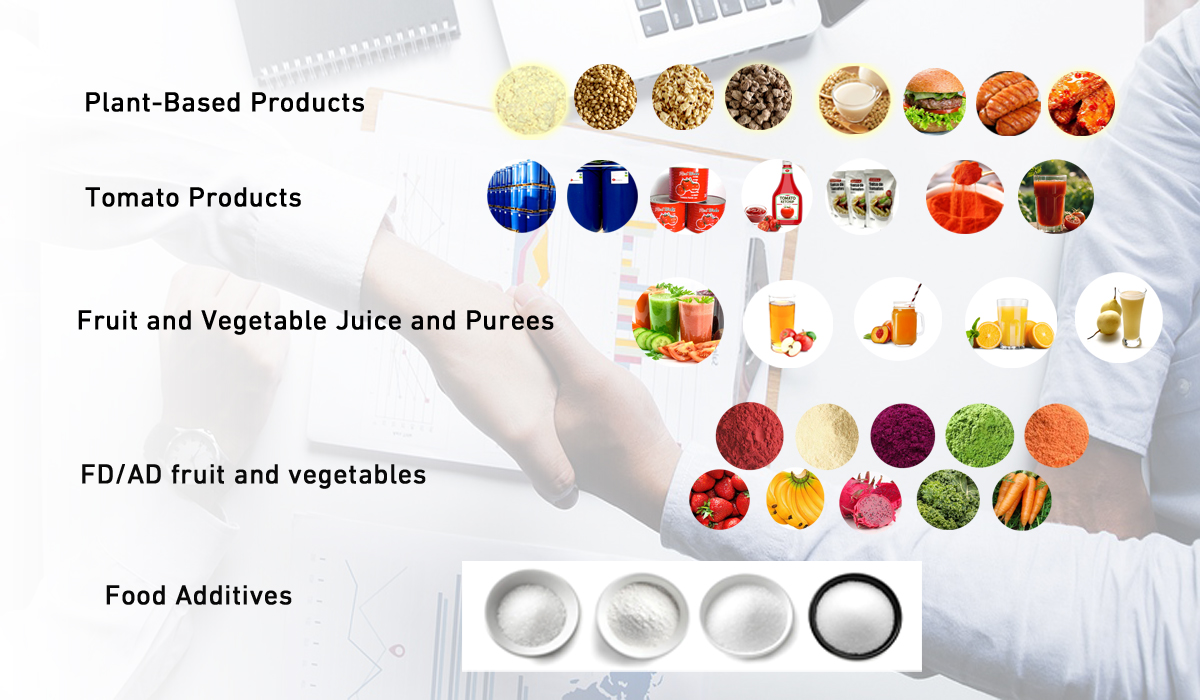
Mitigating supply risks for multinational corporations through world-class standardizations
We supply fully certified EU and NOP organic pea protein powders. Transaction certificates (TCs) accompany every shipment, verifying our organic farms' compliance from cultivation through to processing and export.
Our facilities are audited to meet the strict standards required by corporate groups like Nestle. We operate under rigorous HACCP, ISO 22000, Kosher, and Halal management schemes to ensure safety and quality at every step.
Our dedicated processing lines for pea protein eliminate the risk of cross-contamination with common allergens like gluten, soy, and dairy. This ensures a clean label for your final consumer products.
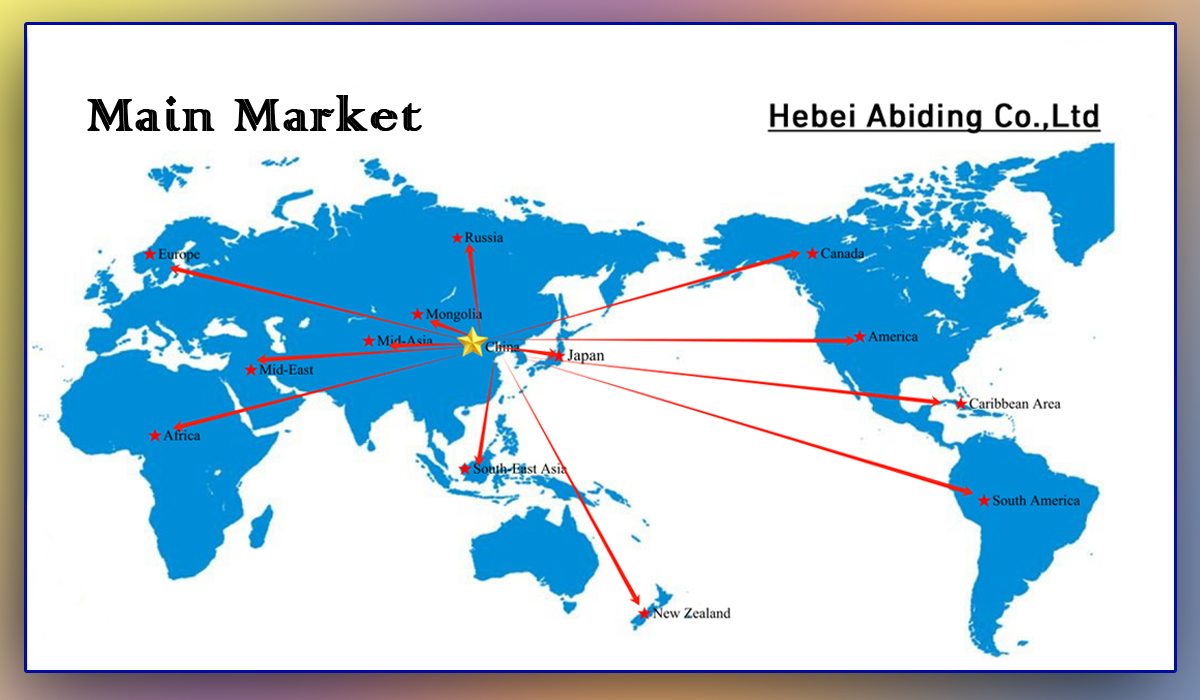
How we tailor plant proteins to meet functional, chemical, and physical brand guidelines
No two product lines have the same requirements. A pea protein isolate designed for an RTD (Ready-to-Drink) shake requires high solubility and low grittiness. In contrast, protein powder destined for meat alternatives requires high water-binding capacity and strong gelation to mimic animal muscle tissue.
Hebei Abiding Co., Ltd. works directly with corporate procurement and R&D teams to customize criteria such as:
Versatile applications across modern sports nutrition, mainstream food industries, and specialized diets
Ideal for vegan protein powders, pre-workout mixes, and meal replacement powders. Highly digestible with a balanced BCAA profile (Leucine, Isoleucine, Valine) that supports muscle recovery.
Acts as a structural texturizer. Provides the elasticity, chewiness, and water retention needed to create plant-based beef, pork, poultry, and seafood products.
Formulated for high dispersibility. Used in oat milk fortifications, vegan yogurts, non-dairy cheeses, and protein waters without altering the product's taste profile.
Used to fortify energy bars, gluten-free cookies, and high-protein cereals. Improves texture and moisture retention, helping to extend product shelf life.
Its hypoallergenic profile makes it a safe option for infants, seniors, and individuals recovering from digestive illnesses.
A high-quality protein source for premium dog and cat food. Free from grain allergens, helping to support animal skin health and digestion.
At Hebei Abiding, our forward-looking research focuses on clean-label technology and sustainability. As markets mature, consumers look beyond basic nutrition. They demand complete environmental responsibility and transparency across the entire supply chain. Our strategic objectives align with these shifting consumer values.
Key developments shaping the next decade include:
1. Synergistic Blending: Combining yellow pea protein with brown rice or organic hemp proteins to achieve a complete PDCAAS (Protein Digestibility-Corrected Amino Acid Score) of 1.0.
2. Low-Carbon Production: Reducing water consumption and recycling starch co-products to create a circular economy within our manufacturing plants.

Answering key technical, logistical, and compliance questions for global sourcing managers
Premium agricultural and plant-based foods processed under strict quality controls
 Abiding Food