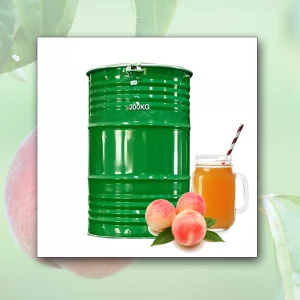
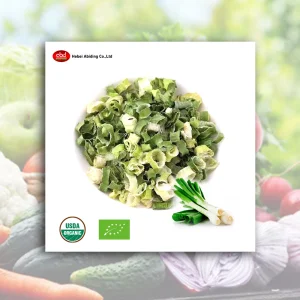
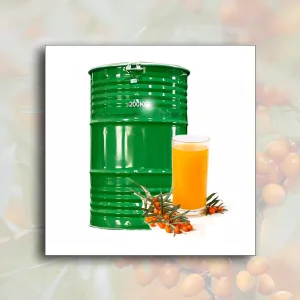
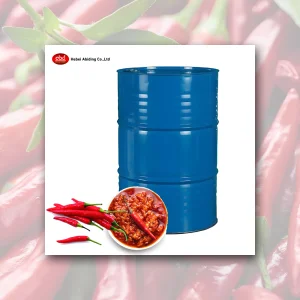
Premium agricultural raw materials, juice concentrates, and organic plant products supplied globally under strict EU & NOP organic regulations.
A statistical breakdown of Hebei Abiding Co., Ltd.'s processing standards and international supply achievements.
The processing of tomatoes on a global scale is an intricate integration of agriculture, logistics, and consumer trend alignment. Canned tomatoes and tomato paste act as essential base ingredients for thousands of retail products, HoReCa operations, and industrial food manufacturing workflows. In recent years, the market demand has transitioned heavily from basic bulk commodities to high-precision, organic-certified, and traceably sourced OEM canned products.
Modern commercial supply chains require more than just a low price. Food giants, retail chains, and international distributors seek partners capable of managing high-volume requirements while adhering strictly to agricultural chemical regulations, heavy metal testing limits, and physical product indices such as precise Brix levels, Lycopene concentration, and Bostwick viscosity parameters. In response to fluctuating agricultural climates across European traditional growing zones, global buyers are increasingly relying on highly efficient, centralized production corridors to ensure price stability and uninterrupted inventory cycles.
China's industrial tomato processing sector operates at the absolute peak of modern technological efficiency. In provinces such as Xinjiang and Inner Mongolia, the geographical conditions—abundant sunlight, low humidity, and high temperature variations between day and night—form a natural barrier to crop diseases, allowing for minimal pesticide application and producing tomatoes with exceptional natural red coloration (high a/b ratio) and natural sweetness.
From an agricultural mechanics perspective, the shift towards fully mechanized harvesting, direct-to-factory logistics lines, and Italian-engineered processing equipment (such as Rossi & Catelli evaporator units) ensures that fresh tomatoes are washed, graded, crushed, concentrated, and canned within hours of harvest. This highly coordinated throughput reduces microbial risks, protects color stability, and ensures the lowest possible thermal degradation of vital nutrients like lycopene.
Hebei Abiding Co., Ltd. - Standardized OEM/ODM integration with two decades of export excellence.

Hebei Abiding Co., Ltd. established in 2005 is a professional supplier of foods and food ingredients in China. We have one perfect mechanism including raw materials supplying, production, sales, after-sales service to ensure to supply the qualified products to the customers. Some of our core products we are handling are vegetable proteins, fruit and vegetable juice and purees, FD/AD fruit and vegetables, plant-based products and various food ingredients and additives.

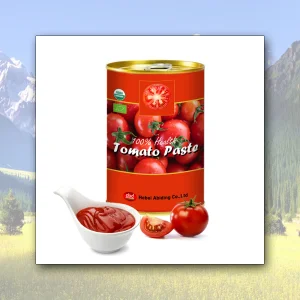
As a certified EU & NOP organic products supplier with more than 20 years experiences in the organic food fields, we have been ranked the largest exporter of the organic tomato paste in China for many years. We have our own organic farms and processing facilities in different provinces in China to ensure that our products strictly comply with organic standards.
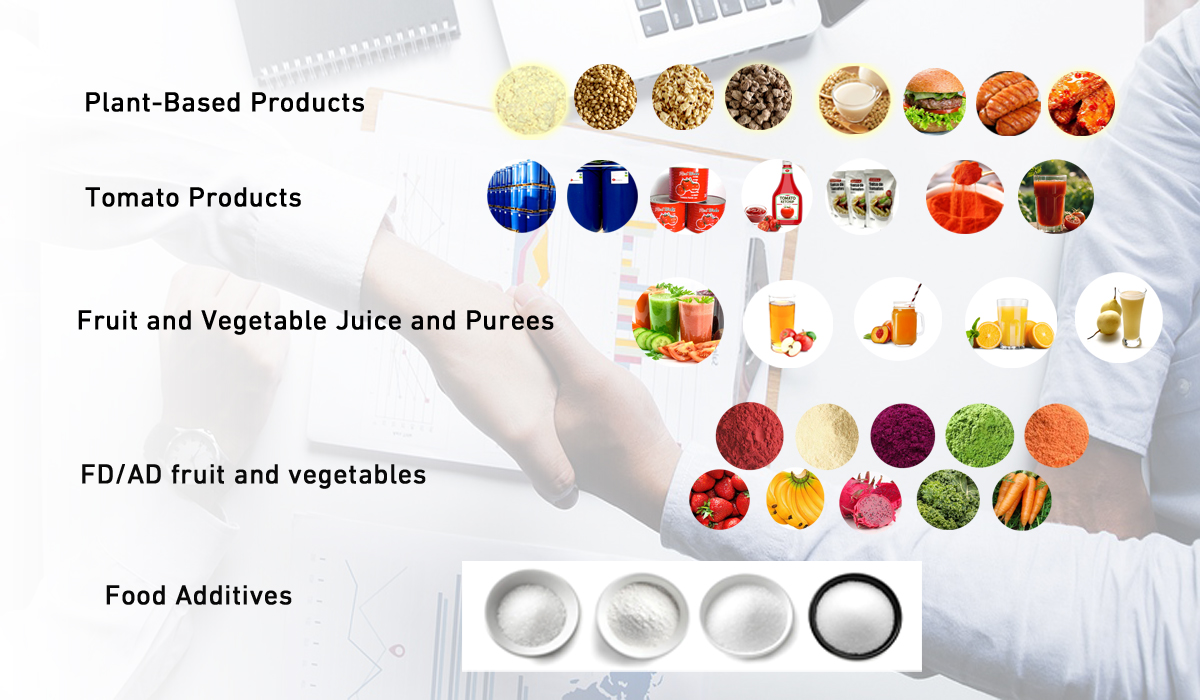
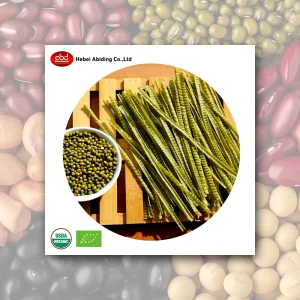
It is well known that more and more people care to take the healthy, safe and nutritious foods. The foods with the high protein, high fiber, low calorie, Vegan, GMO free, gluten free and even Keto friendly are more popular. So above requirements bring us to one new world. With our good experience in the organic fields, we also successfully explore the products with such special characters to meet the customer requests. We have the confidence that this field would be one wide potential market full of chance.
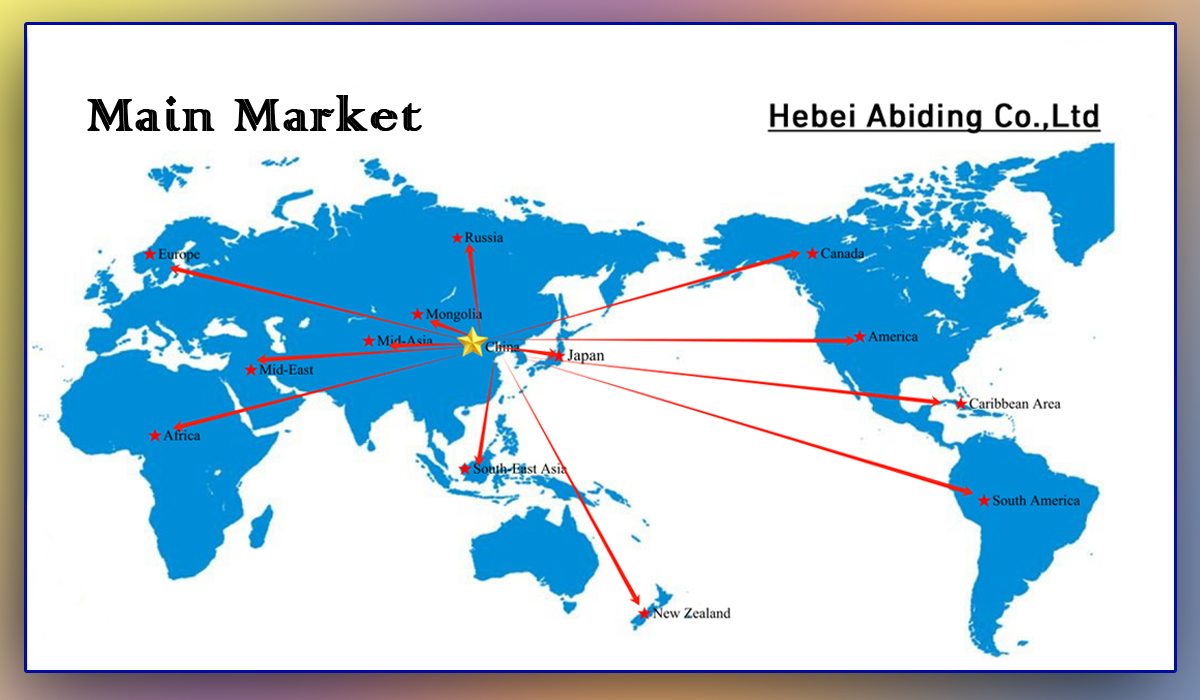
We have established long-term and stable business cooperation with many customers around the world and have won the good reputation there. It is our honor to be one qualified supplier certified by Nestle and other world famous companies. We would like to continue to provide our best service to the customers to share the pleasure in the cooperation.

Our purpose: to provide customers with healthy and safe products, to provide customers with the most intimate service. Survival by quality, development by characteristics, so as to form a fast and efficient management team and quality traceability system. To achieve the purpose of "character, food, conscience, love".
Our Objectives: to synchronize with environmental protection, with health, gather wisdom, seek common development, and build an excellent enterprise.
Canned tomato products must be optimized according to regional culinary demands and localized target demographics. Different markets utilize processed tomatoes in unique packaging types and physical/chemical consistencies:
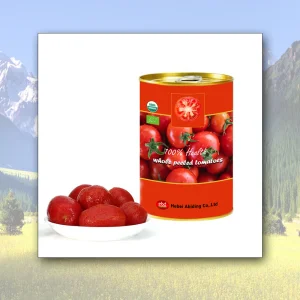
For supermarket chains and direct-to-consumer private labels, visually appealing, easy-open 400g and 800g canned whole peeled or diced tomatoes are key. These require robust lining in the cans to prevent corrosion from the acidic natural juices and maintain freshness over a 24 to 36-month shelf life.
Hotels, restaurants, and catering services demand large-format 3kg to 4.5kg tins or multi-liter bag-in-box packs. Consistency in brix, low waste, and high viscosity are essential, ensuring culinary chefs can reproduce high-quality sauces, soups, and pizza bases repeatedly without modifying recipes.
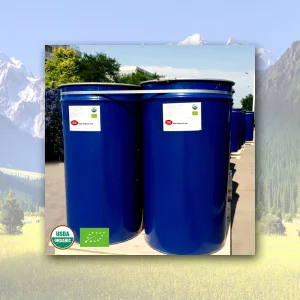
Industrial giants, ketchup manufacturers, and pre-packaged meal factories require concentrate in aseptic drums of 220L or 1000L. Maintaining standard specifications, hot/cold break options, and low HMC (Howard Mold Count) are absolute parameters for seamless line feeding and regulatory clearance.
The global canning industry is undergoing a digital and green revolution. Artificial intelligence and advanced multi-spectral sorting machines detect surface defects, stem presence, and exact coloration of tomatoes prior to entering the production cycle. This eliminates labor-intensive processing steps and optimizes the sorting parameters in real-time, resulting in exceptional batch uniformity.
Furthermore, climate-conscious corporate policies have driven the development of sustainable, BPA-free internal lacquer coatings for steel cans. Additionally, water recycling systems inside factories are reducing fresh-water intake by up to 40%. Companies with robust traceability systems—allowing buyers to trace a specific production batch back to the crop farm and planting dates—hold a distinct competitive advantage in premium European and North American markets.
Comprehensive answers to complex procurement, quality control, and logistics questions for professional global buyers.
Hot Break (HB) tomato paste is heated quickly to a temperature of 85°C to 100°C immediately after crushing, which deactivates the natural pectin-destroying enzymes. This retains the natural pectin, resulting in a thicker, higher viscosity paste ideal for ketchup and sauces. Cold Break (CB) paste is processed at lower temperatures (65°C to 75°C), which allows enzymes to break down pectin. This results in a less viscous, more fluid product that offers brighter red color and a more natural fresh-tomato taste profile, ideal for reconstituting into juices, purées, and canned whole/diced tomatoes.
Compliance is strictly enforced starting at the farm level. Our organic cultivation areas are geographically isolated from conventional agricultural fields to prevent pesticide drift. We utilize certified organic compost and natural biological controls for crop management. Every processing line is thoroughly cleaned and isolated before processing organic runs, avoiding cross-contamination. Third-party international certifying bodies perform yearly audits, ensuring complete trace-back capability from the store shelf to the seed sourcing registry.
Because tomatoes contain natural citric and malic acids, standard steel cans will corrode over time, affecting flavor and safety. We utilize premium double-lacquered, BPA-free internal organosol coatings or epoxy-phenolic resins. These coatings form a highly resistant barrier against organic acids, preventing metal migration and preserving taste, color, and nutritional value for up to 3 years under room temperature storage conditions.
Every batch undergoes rigorous lab testing to verify critical parameters: Brix concentration (e.g., 28-30% for standard double concentrate), Howard Mold Count (HMC) targeting below 40%, Lycopene content (minimum 50mg per 100g for vibrant red color), acidity levels (ranging from 1.5% to 2.0% citric acid equivalent), and Bostwick viscosity index. Heavy metals, microbiological activity (aerobic/anaerobic plate count), and pesticide residues are analyzed to comply with import regulations of target countries.
Yes, we provide full ODM and OEM services. We package in retail sizes (70g, 210g, 400g, 800g tins) as well as foodservice formats (2.2kg, 3kg, 4.5kg tins) and bulk industrial drums (220L aseptic bags). We can adjust the concentration levels, salt addition, herb blends (e.g., adding basil or oregano), and pH range to meet the specific culinary and manufacturing requirements of your target market.
Our typical lead time is 25 to 40 days depending on the customization complexity of private label designs and order volumes. Shipping is organized via standard ocean containers directly from major Chinese export hubs such as Tianjin or Qingdao. For industrial paste in steel drums, we optimize container payload utilizing specialized loading equipment, ensuring stability during maritime transport.
By diversifying our contracted organic cultivation and processing facilities across several provinces in China (including northern and western regions), we mitigate localized crop failure risks. Even if one region experiences unusual weather patterns, our supplementary facilities ensure we fulfill contract quantities on schedule, securing product availability and price stability for our long-term global partners.
Premium agricultural raw materials, juice concentrates, and organic plant products supplied globally under strict EU & NOP organic regulations.
 Abiding Food