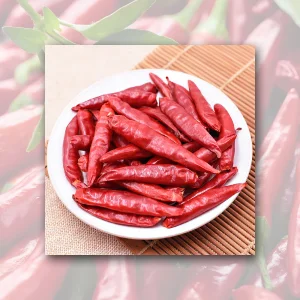
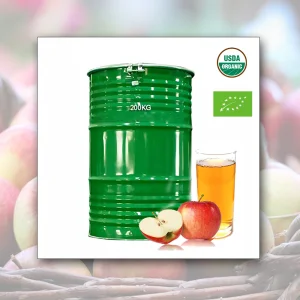
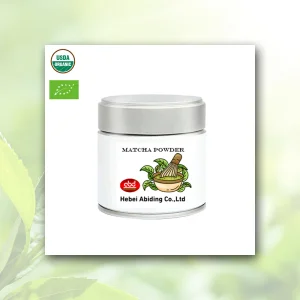
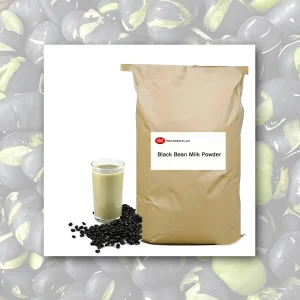
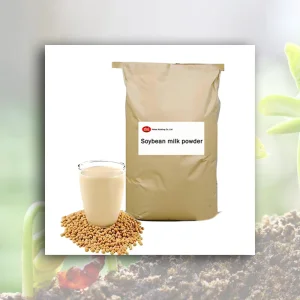
Direct from our state-of-the-art facilities. Cultivated and processed under strict quality controls for worldwide distribution.
A premier global provider of clean-label foods and specialized ingredients, certified by Nestle and trusted by Fortune 500 partners.
Established in 2005, Hebei Abiding Co., Ltd. has developed a seamless supply chain infrastructure that bridges pristine organic agriculture with cutting-edge industrial food science. From raw crop cultivation and high-precision processing to strict global distribution, we ensure that every metric matches the top benchmarks of international compliance.
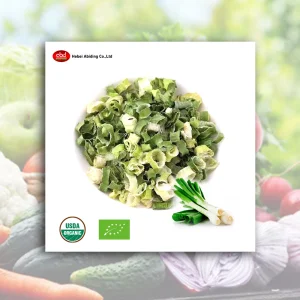
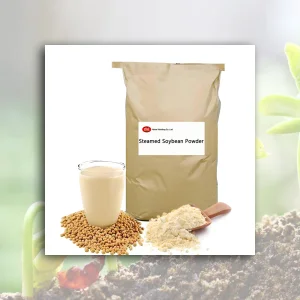
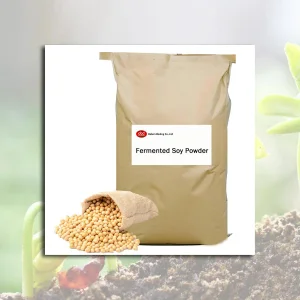
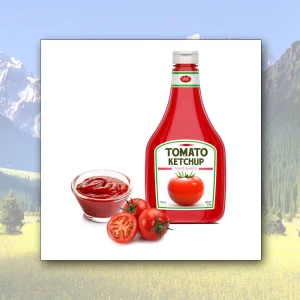
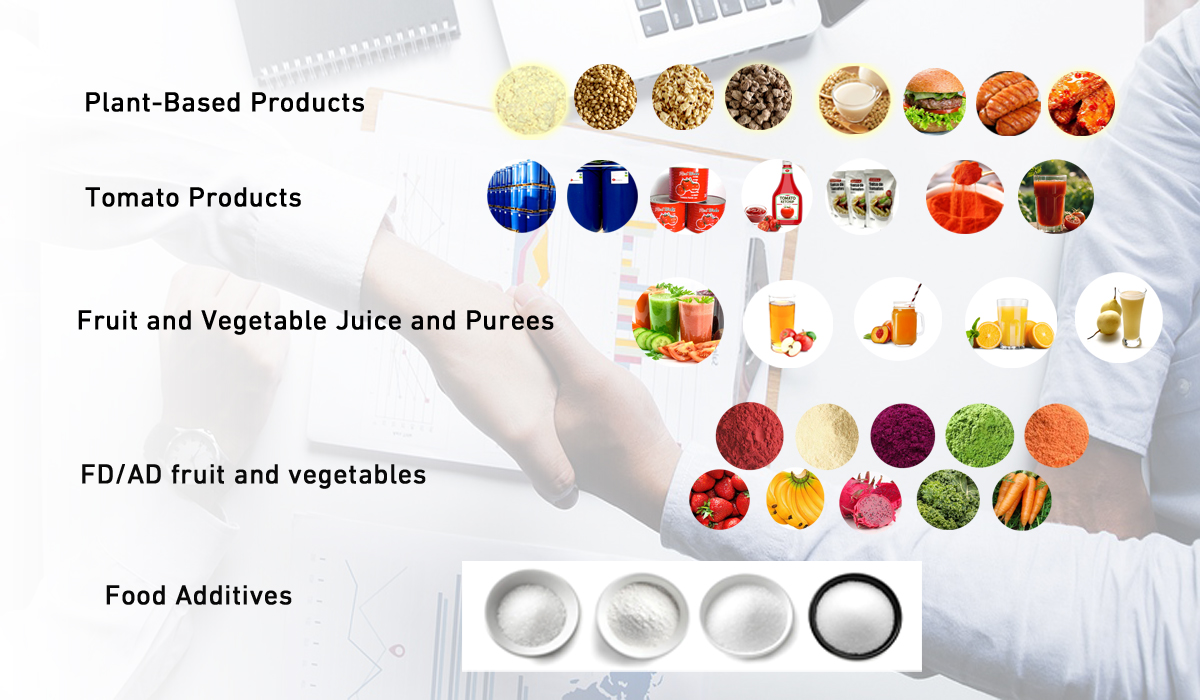
Our core focus addresses the growing demand for plant-based proteins, dried fruit and vegetable ingredients, functional food additives, and premium-grade organic tomato paste. With over two decades of processing experience, we establish market leadership by merging advanced biotechnology with sustainable ecological practices.
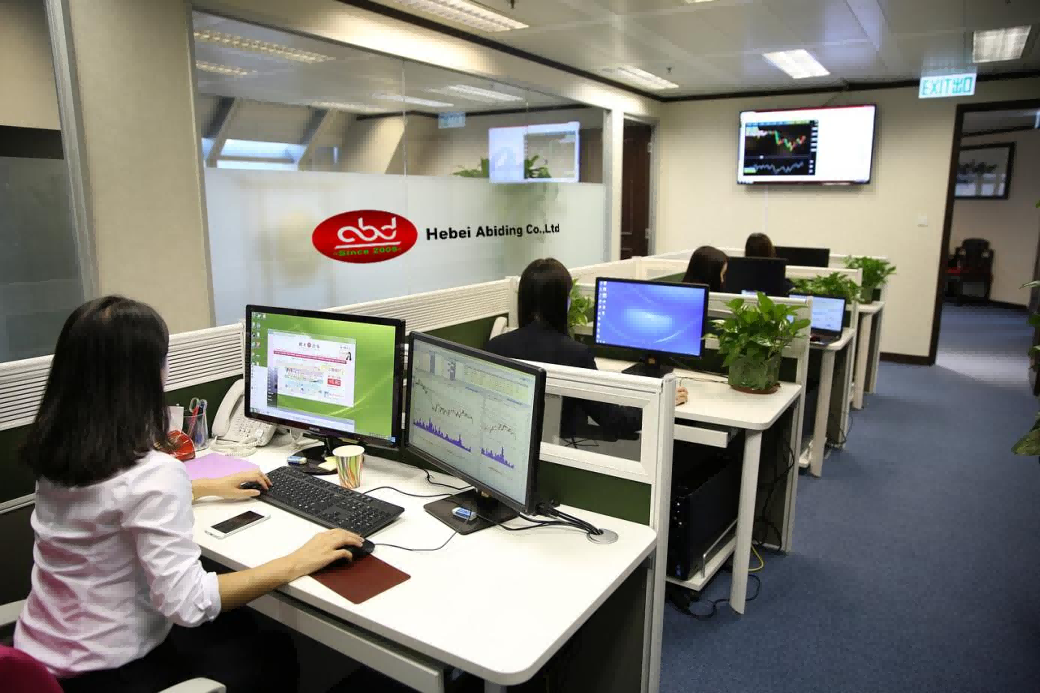
Analyzing key supply dynamics, processing variables, and quality metrics that drive the global processed tomato sector.
The global processed tomato market stands as a cornerstone of the modern industrial food service and retail sectors. As consumer trends shift toward clean labels and nutrient-dense options, the demand for high-grade whole peeled tomatoes has grown beyond traditional retail canned goods. Today, it serves as a critical raw material for global food operations, including industrial quick-service restaurants, ready-meal manufacturers, and high-end culinary chains.
Geographically, key production zones remain concentrated in regions offering optimal microclimates: long daylight hours, warm dry summers, and low ambient humidity. These conditions minimize fungal pathogens and maximize natural sugar and lycopene accumulation. While historically dominated by Mediterranean regions, major processing factories in China’s Inner Mongolia and Xinjiang basins have leveraged their geological advantages—such as high solar radiation and vast daily temperature fluctuations—to produce organic tomatoes with high brix levels and excellent pulp density.
To maintain market competitiveness, modern factories must transition from basic agricultural processing to smart manufacturing hubs. High-speed thermo-physical steam peeling, advanced optical sorting arrays, and automated weight management systems are now industry standards. These technologies ensure that processed whole tomatoes retain their cellular integrity and natural juices without relying on synthetic texturizers or chemical peel residues.

As a certified EU & NOP organic products supplier with more than 20 years of experience in the organic food field, we have been ranked among the leading exporters of organic tomato paste and processed tomato derivatives in China for many years. We operate our own organic farms and processing facilities across different provinces to ensure that our products comply strictly with international organic standards.
Our vertically integrated structure enables complete batch traceability. Every container of whole peeled tomatoes can be traced back to its respective farm plot, harvest window, and specific processing run. This rigorous approach minimizes contamination risks and provides our enterprise buyers with the documentation required for strict import standards.
Inside our automated facilities: How we transform raw field crops into premium-grade whole peeled tomatoes.
Upon arrival at the factory, tomatoes undergo multi-stage wet flotation washing. High-speed multi-spectral cameras evaluate surface color, size, and skin integrity, rejecting unripe, damaged, or off-color specimens to ensure raw material consistency.
Tomatoes are subjected to pressurized saturated steam for a precise duration (15 to 30 seconds), followed by an immediate vacuum drop. The sudden pressure shift flashes moisture under the skin, loosening the epidermal layer without cooking the interior flesh. This preserves the fruit's firm structure and natural lycopene content.
Loosened skins are removed using counter-rotating rubber rollers. The peeled tomatoes then move along inspection tables where trained personnel and secondary smart cameras identify and remove any residual skin or blemished fruit.
Peeled tomatoes are packed into BPA-free lined tins or industrial aseptic bags, topped with concentrated organic tomato juice. We apply a vacuum seal to eliminate oxygen, followed by precise retort sterilization. This preserves the product's natural flavors and ensures a 36-month shelf life without added preservatives.
It is well known that more and more people care to take the healthy, safe and nutritious foods. The foods with the high protein, high fiber, low calorie, Vegan, GMO free, gluten free and even Keto friendly are more popular. These shifting requirements bring us into a new market landscape.
Leveraging our experience in organic agriculture, we successfully develop and source products that meet these specialized dietary profiles. We are confident that this sector represents a highly promising market filled with opportunities for long-term growth.
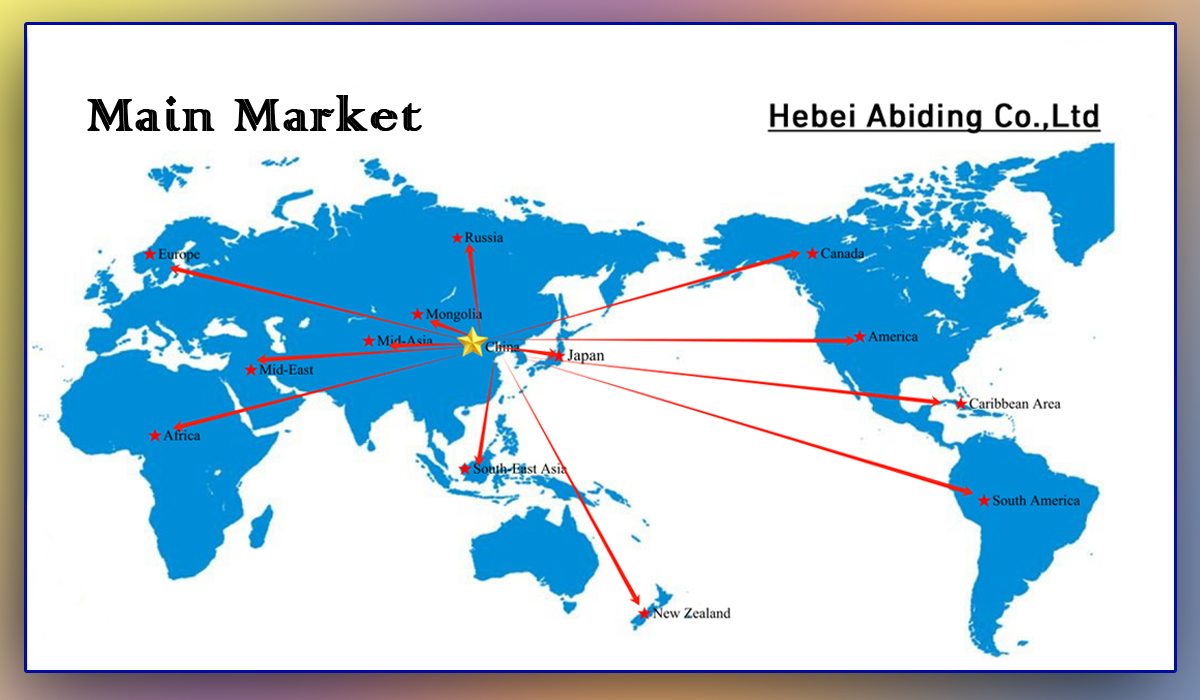
We have established long-term and stable business cooperation with many customers around the world and have won a strong reputation in the industry. It is our honor to be a qualified supplier certified by Nestle and other world-famous food brands. We continue to prioritize reliable service to ensure successful, long-term partnerships.
Our quality control protocols comply with international standards, including ISO 22000, HACCP, Kosher, and Halal certifications. This comprehensive compliance helps our clients navigate import customs smoothly and protects brand integrity in competitive consumer markets.
How we integrate smart agritech, minimize waste, and work toward carbon-neutral operations by 2030.
Our future initiatives focus on integrating IoT sensors into our organic tomato fields. These systems monitor soil moisture, leaf water potential, and weather conditions in real time, allowing drip irrigation networks to deliver the exact amount of water needed. This approach conserves resources while optimizing the fruit's solid content (Brix).
To achieve zero-waste operations, our factories process tomato skins and seeds discarded during the peeling phase. We extract high-purity lycopene and tomato seed oil from this biomass, creating valuable ingredients for the food, nutraceutical, and cosmetic industries.

"Character, Food, Conscience, Love"
Our Purpose: To provide customers with healthy and safe products, along with dedicated service. We aim to grow through consistent quality and unique product offerings, supported by an efficient management team and a robust product traceability system.
Our Objectives: To align our growth with health and environmental protection, gather industry expertise, support collaborative development, and build an excellent enterprise.
Essential details on quality standards, packaging, logistics, and technical specifications for sourcing whole peeled tomatoes.
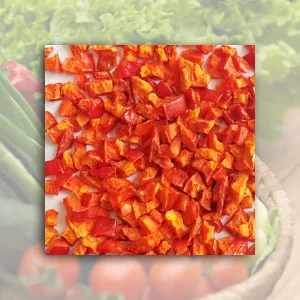
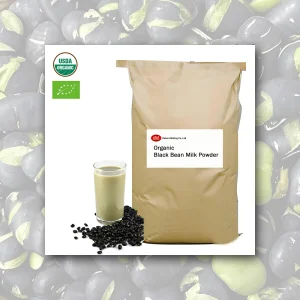
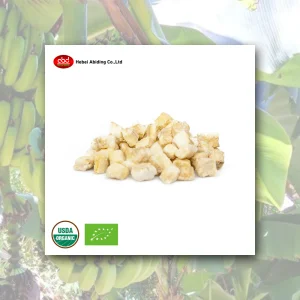
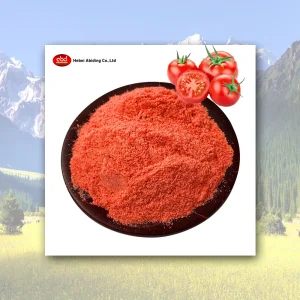
Explore our complete selection of plant-based powders, concentrates, and dehydrated vegetables.
 Abiding Food