Fully traceble industrial materials produced under certified clean conditions.
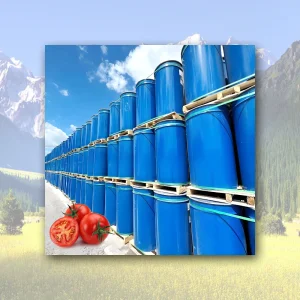
In global industrial food manufacturing, sourcing bulk ingredients requires navigating complex microbial control, chemical consistency, and supply chain logistics. Tomato paste packaged in aseptic bags within 220L steel drums represents the global industry benchmark. This packaging guarantees preservation without artificial additives, keeping physical properties intact for up to 24 months. For industrial ketchup manufacturers, sauce blenders, and ready-meal packers worldwide, securing stable supply contracts with audited factories is essential for uninterrupted production.
From the agricultural belts to advanced thermal evaporation facilities, the parameters of tomato paste dictate final product quality. Buyers assess Brix density, Bostwick viscosity values, Howard Mold Count (HMC), and lycopene values. Our operations meet these quality benchmarks, satisfying stringent EU and FDA regulations.
Our foundation: Professional supply systems, agricultural traceablity, and international food standards.
Hebei Abiding Co., Ltd., established in 2005, is a professional supplier of foods and food ingredients in China. As a certified EU & NOP organic products supplier with more than 20 years of experience in the organic food sector, we have been ranked among the top exporters of organic tomato paste in China for many years. We operate dedicated organic agricultural farms and advanced processing facilities in key provinces, ensuring our raw crops strictly match European and US federal organic standards.

Our operation uses a highly controlled system covering raw material supply, production, sales, and after-sales service to ensure the delivery of compliant products. We are proud to be a qualified supplier audited and approved by Nestlé and other world-renowned global food brands. We follow strict environmental protocols and maintain high social accountability standards, aligning with our objectives to synchronize health and environment protection.

Understanding how Hot Break (HB) and Cold Break (CB) technologies fit your product applications.
| Specification Parameter | Cold Break (CB) 28-30% Brix | Cold Break (CB) 36-38% Brix | Hot Break (HB) 28-30% Brix |
|---|---|---|---|
| Inactivation Temperature | 65°C - 75°C (Allows natural enzymes to partially break down pectin) | 65°C - 75°C (Highly concentrated via multi-effect evaporators) | 85°C - 95°C (Deactivates pectinase enzymes instantly) |
| Bostwick Viscosity | 7.0 - 9.0 cm / 30 sec (at 12.5% Brix reconstituted) | 6.0 - 8.0 cm / 30 sec (at 12.5% Brix reconstituted) | 3.5 - 5.5 cm / 30 sec (High viscosity, low run rate) |
| Lycopene Content | ≥ 50 mg / 100g (Naturally rich red pigment preservation) | ≥ 60 mg / 100g (Concentrated lycopene compounds) | ≥ 48 mg / 100g |
| Howard Mold Count (HMC) | ≤ 40% (Guaranteed low microbial spore count) | ≤ 40% (Controlled under strict farm hygiene) | ≤ 40% (Sterilized heat treatment) |
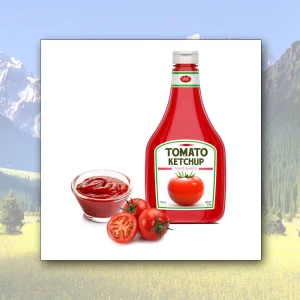
| Typical Industrial Use Case | Reconstituted tomato juices, purees, soups, cooking sauces | Bulk reconstitution plants, high-yield base formulations | Premium Tomato Ketchup, thick marinades, stable pizza sauces |
By breaking tomatoes at lower temperatures, the pectin-destroying enzymes remain active for a short window. This results in a paste that exhibits lower viscosity and higher juice-reconstituting characteristics. It provides a clean finish and retains a bright red color, ideal for premium juice processing.
Immediate rapid heating of tomatoes deactivates pectinase enzymes. By preserving natural pectin polymers, the paste yields high viscosity. This provides excellent water-binding capacity, preventing syneresis (water separation) in ketchup and thick cooking pastes.
The aseptic bag in drum consists of a multi-layer composite film (metallized polyester or EVOH barrier) that prevents oxygen and light transmission. Sealed sterilizing valves protect the product during filling and storage, maintaining shelf stability without chemical preservatives.
Our continuous R&D ensures products match shifting market requirements.
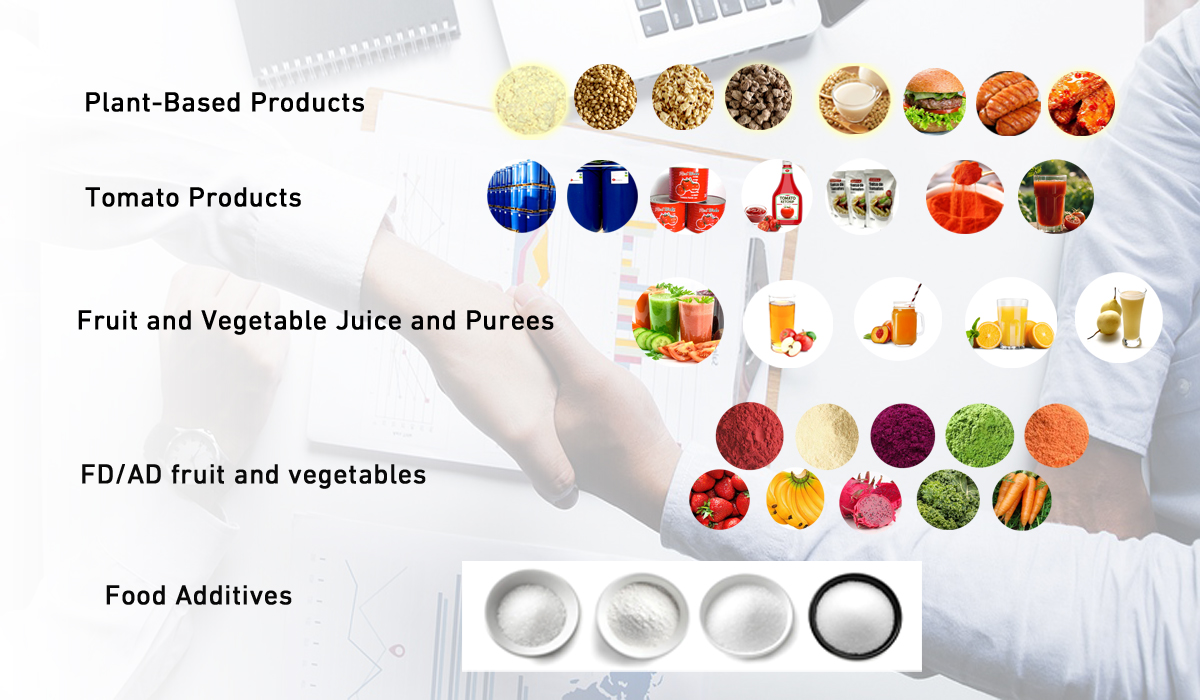
As consumer preferences evolve, there is a growing demand for healthy, safe, and nutritious foods. Ingredients featuring high protein, high fiber, low calorie, Vegan, Non-GMO, gluten-free, and Keto-friendly characteristics are highly sought after by product developers worldwide.
With our experience in the organic sector, we have successfully developed clean-label tomato paste and vegetable products that address these strict formulation demands. Our aseptic tomato paste is processed without any added sugar, sodium, starch, or synthetic thickeners, serving as a pure ingredient base for clean-label food manufacturing.
We work to align our activities with environmental protection and health. Our business team operates under our core purpose: to supply healthy and safe products with responsive, professional customer service.
By maintaining a reliable quality traceability system, we achieve our target of "character, food, conscience, love." This rigorous farm-to-table control ensures that every drum of tomato paste shipped is fully traceable to the harvest location, agricultural input records, and specific processing shifts.

Engineered shipping protocols to keep your production runs continuous and predictable.
Our standard loading configurations use 20-foot shipping containers carrying 80 drums of 220L tomato paste. They can be palletized (4 drums per wooden or plastic pallet) or floor-loaded (secured with specialized heavy-duty straps and dunnage bags) to optimize container payload capacity.
Our drums are manufactured from high-gauge cold-rolled steel, coated with anti-corrosion outer paint, and feature smooth internal seams. This protective structural shell prevents mechanical damage to the sterile aseptic bag during sea shipping and warehouse handling.
We work closely with buyers to customize viscosity and brix configurations to match operational requirements. Our QC lab adjusts heat parameters to match your targeted Bostwick ranges, simplifying your factory blending procedures.
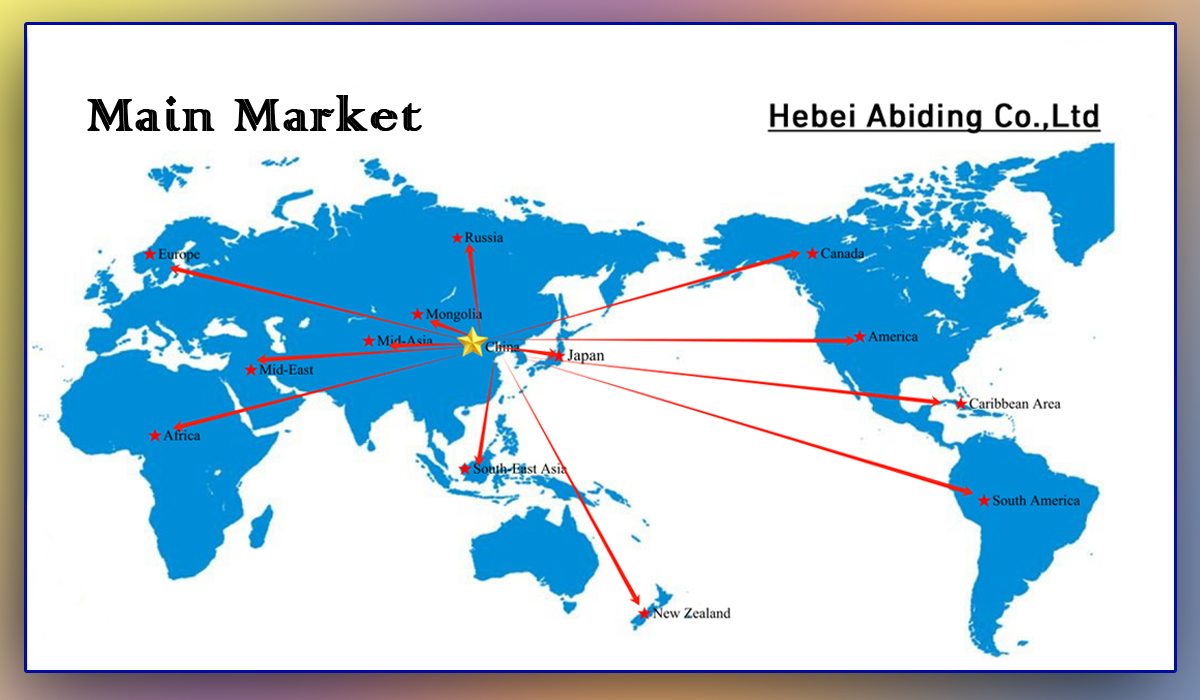
Providing verified answers to help procurement managers evaluate product parameters and technical specifications.
Under ambient storage conditions (sheltered from direct sunlight, kept below 25°C), our aseptic bag-in-drum tomato paste has a shelf life of 24 months. Once the drum is opened, the aseptic seal is broken, and the paste must be processed immediately or kept refrigerated to prevent microbial activity.
The difference lies in the break temperature. Hot Break (HB) heating (85°C - 95°C) deactivates the natural pectinase enzymes instantly, preserving the pectin. This yields a thick paste with a lower Bostwick flow (3.5 - 5.5 cm/30s), ideal for ketchup. Cold Break (CB) heating (65°C - 75°C) allows partial pectin breakdown, resulting in a lighter paste (7.0 - 9.0 cm/30s) suitable for reconstitution into tomato juice.
We are certified to both National Organic Program (NOP) standards and European Union (EU) Organic regulations. Our agricultural lands, fertilizer inputs, processing plants, and packaging operations are audited annually by certified third-party bodies, ensuring full organic integrity and pesticide-free production.
Every batch of tomato paste undergoes comprehensive chemical and microbiological analysis. We test for Brix levels, acidity (expressed as citric acid), Bostwick viscosity, color index (A/B value), Howard Mold Count (HMC), heavy metals (lead, tin), and pesticide residues. Test reports (COA) are provided with every shipment.
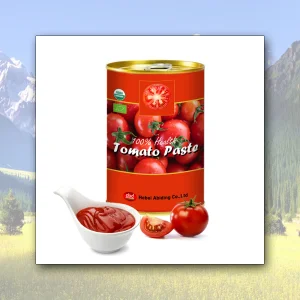
Yes. In addition to our standard 220L (approximately 240kg) steel drums, we also produce custom 70g to 4.5kg canned options for retail and foodservice, as well as 1000L wooden bin aseptic packages for high-capacity industrial blenders.
Optimized agricultural raw materials ready for global commercial distribution.
 Abiding Food